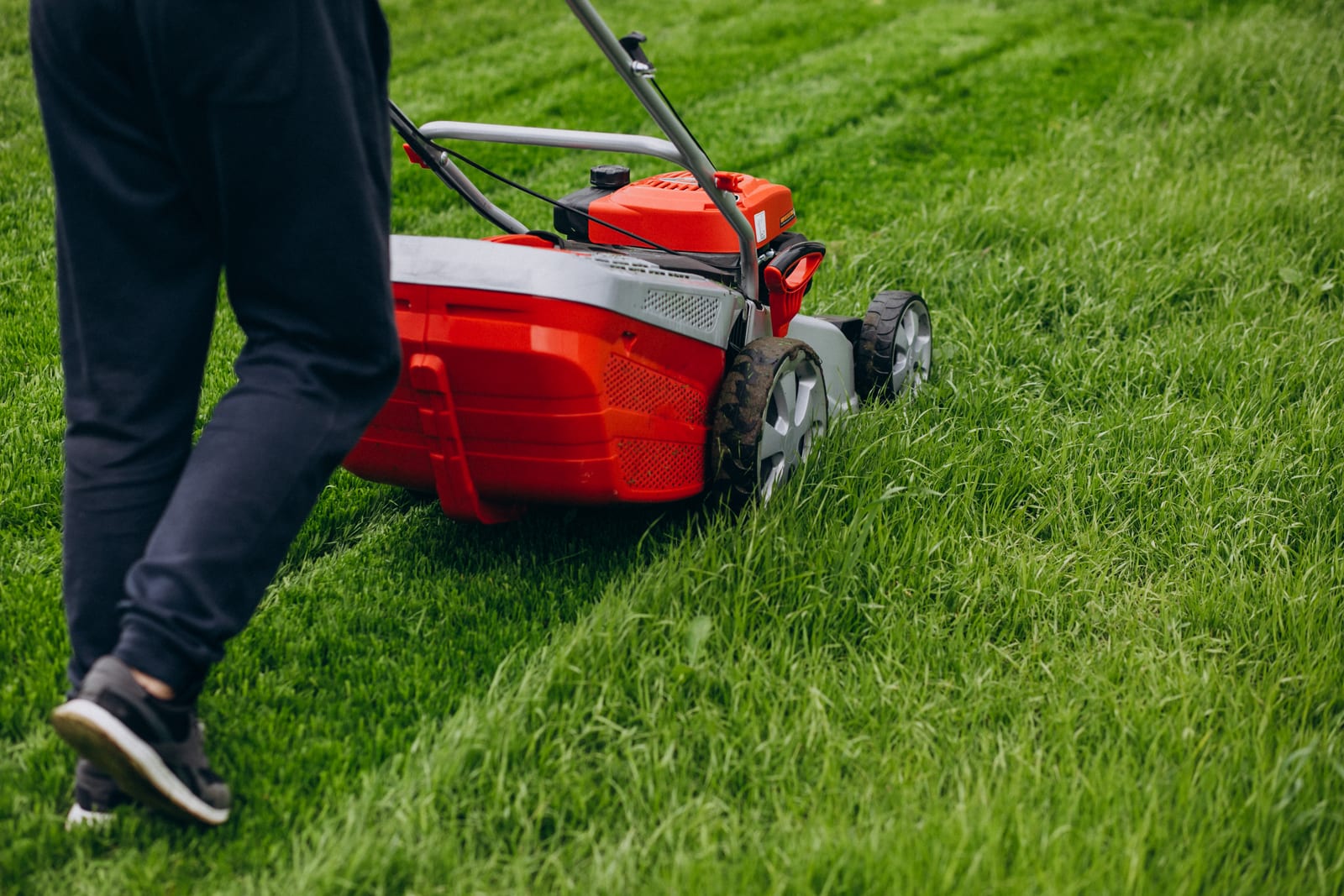
📌 Key Takeaway: Route optimization cuts drive time, reduces fuel and labor waste, and helps lawn crews finish more work without sacrificing service quality. The real win is not just efficiency on paper. It is a tighter daily schedule, better customer communication, and a business that can handle growth without chaos.
Why Route Optimization Matters for Lawn Pros
Route optimization is one of the simplest ways to improve how a lawn business runs. When crews spend less time crossing town and more time on properties, the whole operation gets stronger. Scheduling becomes cleaner, travel costs drop, and customers get more predictable service.
That matters because lawn service depends on repeat visits and tight timing. A crew that runs an organized route can handle more stops in a day without rushing. A crew that drives in circles loses time, burns fuel, and creates delays that ripple through the rest of the schedule. Route planning is not a side task. It is part of running a profitable lawn company.
Software makes that process easier to manage. Tools like EZ Lawn Biller help lawn businesses keep billing and client management organized while supporting the routing and scheduling work that keeps the route moving. When the back office is aligned with the field, the business runs with less friction.
Route discipline also matters when an owner is thinking beyond day-to-day operations. The SBA 7(a) program continues to fund small-business acquisitions across service industries, according to the SBA’s 7(a) loans page dated September 1, 2026. For lawn companies, that means a tighter route can do more than save drive time. It can make the business more attractive to a buyer or easier to finance when the time comes to expand.
What Route Optimization Actually Means
Route optimization means arranging jobs so crews travel the shortest practical distance while still completing the day’s work in a logical order. In lawn care, that usually means grouping nearby properties, reducing backtracking, and building a schedule that fits real road conditions instead of a rough guess.
The goal is simple: keep technicians working and reduce wasted motion. Every extra mile between stops takes time away from mowing, trimming, treatment work, and customer communication. It also adds wear to vehicles and raises operating costs. That is why route planning has a direct effect on profit, not just convenience.
Better routing also improves the customer experience. Homeowners notice when service comes on time and follows a steady pattern. They also notice when crews are late because the day was planned poorly. Reliable routing builds trust, and trust supports long-term retention.
Route optimization also gives owners more control when the business changes hands or grows through acquisition. The SBA’s 7(a) lending program is built to support those kinds of transactions, which makes organized routes even more valuable. A well-documented route is easier to explain, easier to manage, and easier to defend as part of a healthy operation.
The Business Benefits of Smarter Routing
Route optimization pays off in several ways, and the first is efficiency. A well-planned route allows a crew to complete more jobs with less idle time between stops. That means the business gets more value from each workday without adding unnecessary pressure to the team.
It also supports better cost control. Fuel and labor are two of the most visible expenses in lawn care. If a route is scattered, those costs rise fast. If a route is tight and organized, the business can absorb day-to-day pressure more easily. That is especially important when schedules are full and margins depend on keeping each stop productive.
There is also a quality benefit. When crews are not constantly racing across town, they have more room to stay focused on the work in front of them. That lowers the risk of missed details and rushed service. Good routing protects both speed and quality, which is the combination every lawn business needs.
A practical example makes this clear. Imagine a crew with a handful of lawns in the same neighborhood. If those stops are scheduled in a sensible order, the team can move property to property with almost no wasted travel. If those same jobs are scattered across the city, the crew spends a larger part of the day driving instead of working. The difference shows up in fuel use, overtime pressure, and how many customers can be served before the day ends. That is why routing decisions belong in the same conversation as pricing and scheduling.
A tighter route also supports the kind of business lenders like to see. When the schedule is organized and repeatable, the owner can show that the company is built on systems rather than constant scrambling. That matters in a financing environment where SBA 7(a) support remains available for acquisitions and growth. The SBA’s September 1, 2026 guidance reinforces that point for service businesses looking to expand or buy another route.
Software That Supports Route Planning
Manual routing can work for a very small operation, but it becomes harder to manage as the schedule grows. Lawn service software gives owners a cleaner way to organize jobs, track customer information, and keep the route aligned with the rest of the business.
EZ Lawn Biller is built as complete lawn service management software, not just billing software. It supports billing, routing, treatment tracking, visit reports, a mobile app, reports, payroll, QuickBooks integration, and a customer portal. That combination matters because routing does not stand alone. It works best when it is connected to statements, service records, and the information crews need in the field.
Many software systems can also help map stops and organize the day more efficiently. Instead of building routes by hand, the office can shape a schedule around property locations and service needs. That reduces guesswork and makes the day easier to execute. When route planning is tied to actual job data, the schedule becomes much more dependable.
A mobile app adds another layer of control. Crews can see what needs to be done, review customer details, and keep visit information current while they are out working. That keeps the office and field aligned, which is essential when the route changes during the week.
The same kind of organization helps when a company is preparing for expansion or even a future sale. An SBA 7(a)-backed acquisition usually depends on clear records and predictable operations, and route software supports both. Strong systems make the business easier to run now and easier to value later.
Best Practices That Keep Routes Tight
Good software helps, but it works best when the business uses it consistently. The first step is to build routes around geography whenever possible. Nearby stops should be grouped together so crews are not zigzagging between neighborhoods. A route that looks simple on paper often saves a surprising amount of time once it is repeated week after week.
The next step is to review routes regularly. Traffic patterns change. Customers move. New stops get added. Weather can also affect the best order for the day. A route that made sense last month may not be the best route now. Owners who revisit the schedule often avoid the slow drift into inefficiency that hurts many service businesses.
Communication matters too. Crews need to understand why route discipline matters and how it affects the business. When technicians know the route was designed to reduce wasted time and improve service, they are more likely to follow it. That buy-in helps the whole team stay aligned.
It also helps to connect routing with the rest of the workflow. If the customer record, service history, statement billing, and route all live in separate places, the business spends more time fixing small mistakes. When the system is connected, the office spends less time chasing details and more time managing growth.
These habits also make the company more resilient when ownership changes or financing enters the picture. Lenders and buyers both pay attention to how repeatable the operation looks. A route that stays tight and documented is easier to understand than one that depends on memory and constant firefighting.
A Real-World Example of Better Routing
A lawn company in a busy city can feel the impact of route planning very quickly. Suppose the business starts with a scattered schedule, slow response times, and missed appointments. Crews spend too much time driving between stops, and customers begin to notice the inconsistency.
After moving to a better lawn service software setup, the owner reorganizes the day by neighborhood and service type. The route becomes tighter. Crews know where they are going before they leave the yard. The office can keep track of visit reports, customer records, and statement billing in the same system, so fewer details fall through the cracks.
The result is not just less driving. It is a smoother operation. Work gets done on time more often. Customers receive more dependable service. The business spends less on wasted travel and more of the day on revenue-producing work. That kind of improvement compounds fast, especially in a route-based service business where consistency matters every week.
That same consistency can support a larger strategic move later. If the owner ever looks at an SBA 7(a) loan for an acquisition or expansion, a routed business with clean records and steady service is easier to evaluate. The route becomes part of the company’s strength, not just its daily schedule.
Why Route Optimization Strengthens the Whole Business
Route optimization is really about control. It gives lawn owners a better handle on time, costs, and service quality at the same time. That is why it is so valuable. A business with organized routes can respond faster, keep crews moving, and handle growth without turning the schedule into a mess.
It also supports a steadier customer base. Lawn service is built on repeat work, which means reliability matters as much as speed. When homeowners get consistent service, they are more likely to stay on the schedule and less likely to look elsewhere. Strong routing helps deliver that consistency.
The best part is that route optimization does not require a dramatic overhaul to start paying off. Small changes in stop order, grouping, and route review can make a real difference. Add the right software, and those gains become easier to maintain over time.
It also makes the business stronger in the eyes of lenders and buyers. The SBA’s 7(a) program remains active for small-business acquisitions, and organized operations fit that model well. A lawn company that controls its route is showing the same discipline it needs for growth, financing, and long-term stability. The September 1, 2026 SBA page confirms that financing support is still available for service businesses that can document clean operations.
Bringing It All Together
Route optimization is not a luxury for lawn pros. It is part of running a disciplined, profitable business. Better routes reduce travel time, lower operating costs, and help crews deliver more consistent service. They also make it easier to grow without losing control of the day.
With tools like EZ Lawn Biller, lawn companies can connect routing with billing, service records, reports, payroll, QuickBooks integration, and the customer portal. That keeps the business organized from the office to the field.
If your schedule still depends on guesswork, the fix is worth making. Tighten the route, keep the team aligned, and build a system that supports growth instead of fighting it. That is the kind of structure that holds up whether you are managing next week’s route or planning for the next stage of the business.
Frequently Asked Questions
How does route optimization help a lawn business make more money? Route optimization helps you reduce wasted drive time, fuel use, and vehicle wear, which lowers operating costs. It also lets crews complete more jobs in a day without rushing, so your labor gets used more effectively. That combination supports better margins and a more profitable schedule.
What does route optimization mean in day-to-day lawn care operations? It means organizing jobs so crews travel the shortest practical distance in a logical order. You group nearby properties, reduce backtracking, and build schedules around real road conditions instead of rough guesses. The goal is to keep technicians working on properties instead of spending time in transit.
Why does better routing improve customer satisfaction? Customers notice when service arrives on time and follows a consistent pattern. Poor routing often leads to late crews, which creates frustration and makes the service feel unreliable. A steady route builds trust, and that trust supports long-term retention.
How can software support route planning for a lawn company? Software can make routing and scheduling easier to manage by keeping the back office organized and aligned with field operations. Tools like EZ Lawn Biller help with billing and client management while supporting the work that keeps routes moving. When those pieces work together, your day runs with less friction.