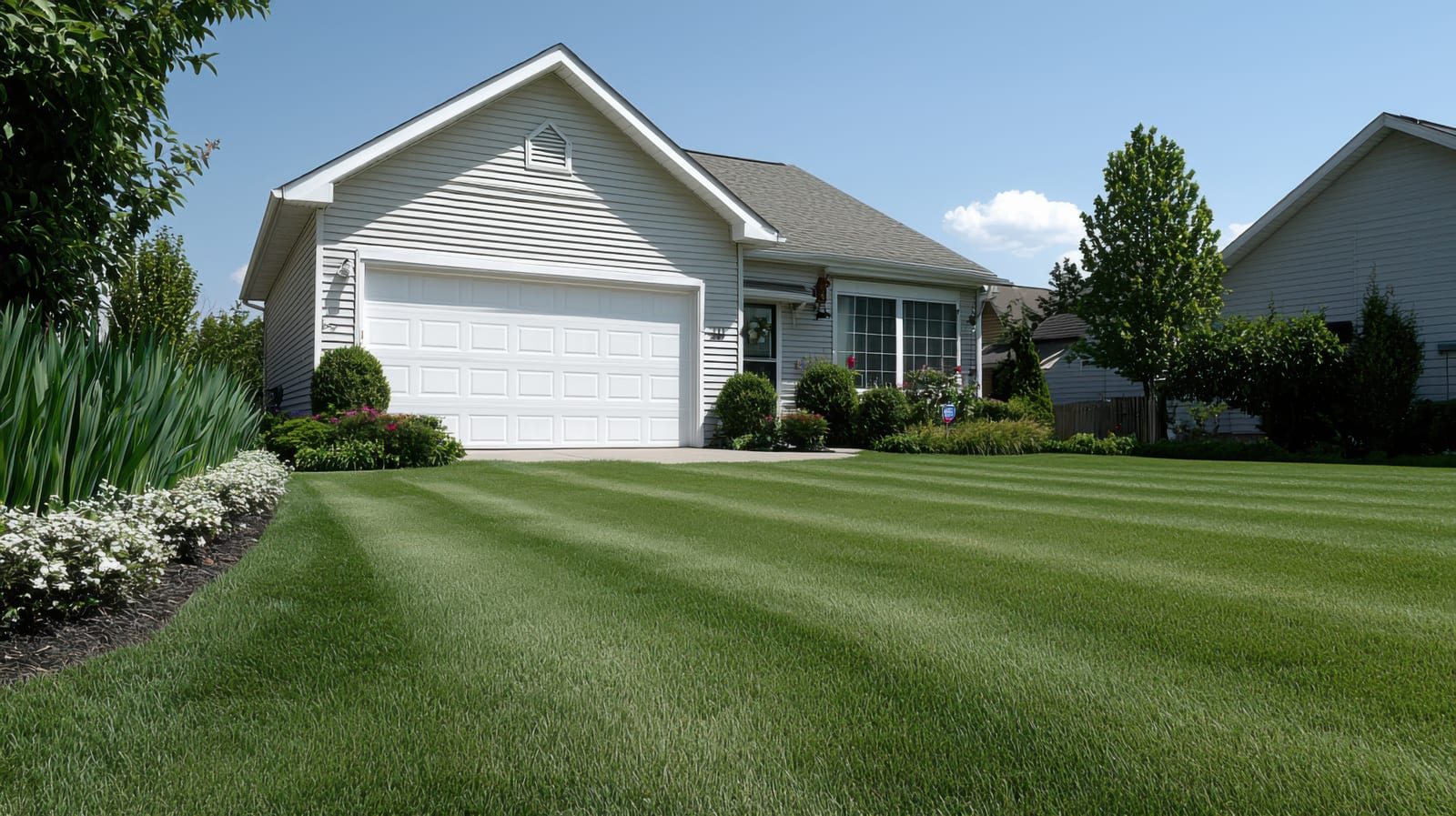
📌 Key Takeaway: A sustainable lawn business is built on better inputs, smarter scheduling, tighter communication, and less waste. The goal is not to do less work. It is to do the right work with fewer unnecessary trips, fewer paper processes, and better long-term results for customers and the property.
The Ultimate Checklist for Running a Sustainable Lawn Business
Sustainability in lawn care is practical, not performative. It shows up in the products you use, the equipment you buy, the routes you run, and the way you manage customer communication. When those pieces work together, you cut waste, protect the landscape, and run a stronger business at the same time.
That matters because customers notice the difference. They want healthier properties, clearer communication, and services that fit modern expectations. A sustainable lawn business meets that demand without sacrificing quality or profitability. The checklist below focuses on the decisions that have the biggest operational impact.
This also means sustainability is not limited to field practices. The administrative side matters too. A paper-heavy workflow burns time and creates errors, while lawn service software keeps the operation organized and easier to scale. Tools like EZ Lawn Biller help with billing, routing, service tracking, visit reports, customer communication, reports, payroll, QuickBooks integration, and the customer portal, which makes the business cleaner from the inside out.
Build sustainability into the way you work
The foundation of a sustainable lawn business is simple: use the least wasteful method that still delivers strong results. That starts with eco-friendly practices in the field. Organic fertilizers, native plants, and reduced water use all support healthier properties while lowering unnecessary input.
The EPA has long warned that conventional lawn care can create runoff that harms local ecosystems. That is why the practical approach matters. Compost and manure add nutrients while improving soil structure. Native plants reduce the need for constant irrigation and repeated treatment. When you choose better inputs, you protect the lawn and make it easier for the customer to maintain long term.
Housing demand also keeps feeding the need for organized lawn operations. US housing starts reached 1,239.00 thousand SAAR on July 1, 2026, according to FRED, which still points to a steady stream of properties that need ongoing care after move-in. That kind of demand rewards operators who can standardize service and keep maintenance efficient.
A real-world example makes this clear. Suppose a client wants the front beds refreshed, but the property sits in an area that struggles with water use. Instead of pushing a high-maintenance design that needs constant attention, you recommend native plantings and a mulch layer around the beds. The result is a landscape that holds moisture better, needs fewer treatments, and looks intentional. You have solved the customer’s problem in a way that saves water and reduces callbacks.
Education is part of the service as well. When you explain why a certain fertilizer, planting choice, or watering pattern is better for the property, you build trust. Customers are far more likely to stay loyal when they see that your recommendations are grounded in the long-term health of their lawn, not just a quick sale.
Choose equipment that reduces waste
Equipment decisions shape both your environmental footprint and your operating costs. Gas-powered mowers and trimmers still have a place in some fleets, but electric and battery-powered options can reduce noise and emissions while improving day-to-day efficiency.
For many crews, quieter equipment is more than a sustainability win. It improves the work experience in residential neighborhoods and makes early routes less disruptive for customers. That matters when you are trying to build a strong reputation in dense service areas. The best equipment is not just cleaner; it is easier to live with on the route.
Maintenance matters just as much as the purchase decision. A machine that is cleaned, sharpened, charged, and serviced regularly lasts longer and performs better. That means fewer replacements, less downtime, and less material going to waste. It also keeps the crew moving instead of losing time to preventable equipment failure.
Sustainability works best when it supports reliability. The cleaner the fleet, the stronger the brand, but only if the equipment is kept in shape and used consistently.
Conserve water without hurting results
Water conservation is one of the most important parts of sustainable lawn care because it affects both the landscape and the customer’s utility costs. Smart irrigation systems are a strong starting point because they adjust watering based on weather conditions instead of running on a fixed schedule that may not match reality.
Xeriscaping also has a place in a sustainable business model. Not every property needs the same amount of water or the same level of upkeep. When you design or recommend drought-resistant landscaping, native plantings, and efficient irrigation, you help customers create properties that are easier to maintain and less dependent on constant watering.
Mulch is another simple but effective tool. It helps hold moisture in the soil, reduces the need for frequent watering, and gives beds and tree rings a cleaner appearance. That is a good example of sustainability that is visible to the customer. They see a finished landscape that looks better and requires less input.
Water-saving practices are also easier to sell when they are framed as property care, not just environmental virtue. A homeowner may not respond to vague green messaging, but they do understand lower water bills, fewer stressed plants, and a yard that holds up better through dry stretches.
Use lawn service software to cut paper and eliminate guesswork
Sustainable operations are not only about what happens outside. They also depend on how efficiently you manage the business itself. Lawn service software reduces paper waste, improves communication, and keeps the operation organized enough to avoid unnecessary trips and duplicate work.
This is where EZ Lawn Biller fits into the picture. Because it is complete lawn service management software, it supports billing, routing, treatment tracking, visit reports, the mobile app, reports, payroll, QuickBooks integration, and the customer portal. That gives you one system for the work that usually gets scattered across paper, text messages, spreadsheets, and memory.
Statement billing is especially useful for sustainability-minded operators. Instead of juggling paper processes, you keep a running balance for each homeowner and handle payments in a cleaner, more organized flow. Customers can pay the balance, pay any custom amount, or set up auto-pay through PayPal or Stripe Vault. That reduces administrative churn and keeps the office side from creating the waste the field side is trying to avoid.
Service tracking also improves sustainability in a practical way. If you know exactly when a treatment was done and what was applied, you do not repeat work unnecessarily. The same is true for routing. Better route planning means fewer miles driven, less fuel burned, and less time lost between stops. Sustainability and efficiency point in the same direction.
Market your sustainable approach clearly
Once the operation is in place, customers need to know what makes your business different. Sustainability only helps if it is visible. Your website, social channels, and customer conversations should explain what you do and why it matters.
Keep the message concrete. Talk about organic products when you use them. Explain your water-conservation approach. Show how your scheduling reduces wasted travel. Customers respond to proof, not slogans. A short photo caption showing a crew using more efficient equipment or a before-and-after example of a low-water landscape can communicate more than a general claim about being eco-friendly.
Educational content helps too. Blog posts, short videos, and seasonal reminders can show homeowners how to care for their property in a way that supports healthier turf and less waste. That positions your company as a practical guide, not just another vendor trying to sell a recurring service.
Community involvement strengthens that message. Workshops, local events, and neighborhood education sessions create credibility and give people a reason to remember your name. Sustainability is easier to trust when customers see it in action.
Build client relationships that support long-term work
Sustainable lawn care depends on relationships because the best results come from repeat service, clear expectations, and steady communication. When clients feel informed, they are more likely to stay with you and less likely to push for short-term choices that hurt the property later.
Regular communication helps. Emails, newsletters, and service updates keep customers aware of what is happening and why. That can include seasonal tips, treatment schedules, or reminders about watering practices. When customers understand the plan, they are less likely to question the process and more likely to value the result.
Feedback matters too. Ask clients what they think about the service and what they want to improve. That kind of open communication makes the business feel responsive, and it helps you spot issues before they turn into lost accounts. In a recurring-service business, retention is built on trust, not just pricing.
A good customer portal and clear service records reinforce that trust. When preferences, service history, and balances are easy to see, the customer feels taken care of. That is a sustainability advantage because it supports stable recurring work instead of constant churn.
Keep learning and train the team
A sustainable lawn business cannot stand still. Products change, equipment changes, and customer expectations change. Owners and crew leaders need ongoing training to stay sharp and keep the business moving in the right direction.
That training should cover both field work and business operations. The crew needs to understand better application practices, equipment care, and how to communicate with customers on-site. The office needs to understand scheduling, reporting, payment flow, and how to use software to keep the business organized. When the whole team understands the system, the company runs more smoothly.
This also improves morale. People work better when they know why a process exists and how it affects the job. A well-trained team is more confident, more professional, and less likely to create waste through mistakes or miscommunication.
Staying current on regulations is part of the same discipline. Lawn care rules and environmental expectations can change, and a responsible business stays ahead of those changes. That protects the company and reassures customers that they are working with a serious operator.
Put the checklist to work
Running a sustainable lawn business is really about discipline. Use better practices in the field. Choose equipment that reduces waste and downtime. Conserve water where you can. Run the office with software that eliminates paper chaos and keeps the route moving. Market those strengths clearly, and back them up with consistent service.
That combination makes the business stronger, not softer. Customers get healthier properties, crews waste less time, and the company builds a reputation for reliability. With tools like EZ Lawn Biller, sustainability becomes part of the workflow instead of an extra layer of effort.
The businesses that do this well are the ones that stay organized, communicate clearly, and treat sustainability as an operating advantage. That is how you build a lawn company that lasts.
Frequently Asked Questions
What should you prioritize first when trying to make a lawn business more sustainable? Start with the parts of your operation that create the most waste and have the biggest day-to-day impact. That includes the products you apply, the equipment you buy, the routes you run, and how you handle customer communication and administration. A sustainable business is built by choosing the least wasteful method that still delivers strong results.
How do eco-friendly field practices help both the landscape and your business? Organic fertilizers, compost, manure, native plants, and reduced water use all support healthier properties while lowering unnecessary inputs. These choices can also reduce runoff, protect local ecosystems, and make landscapes easier for customers to maintain over time. When you use better inputs, you improve the property and strengthen the value of your service.
Why does software matter in a sustainable lawn care operation? Software helps you reduce paper-heavy workflows that waste time and create errors. It also keeps billing, routing, service tracking, visit reports, customer communication, payroll, reports, and QuickBooks integration organized in one place. That makes the business easier to manage and scale while keeping the operation cleaner from the inside out.
How should you handle a customer request that conflicts with sustainability, such as a high-maintenance design in a water-limited area? You should steer the customer toward a solution that fits the property’s conditions and long-term maintenance needs. In a water-limited area, that means recommending lower-maintenance choices like native plants and reduced water use instead of a design that demands constant irrigation and treatment. This approach protects the landscape, lowers waste, and creates a better long-term outcome for the customer.