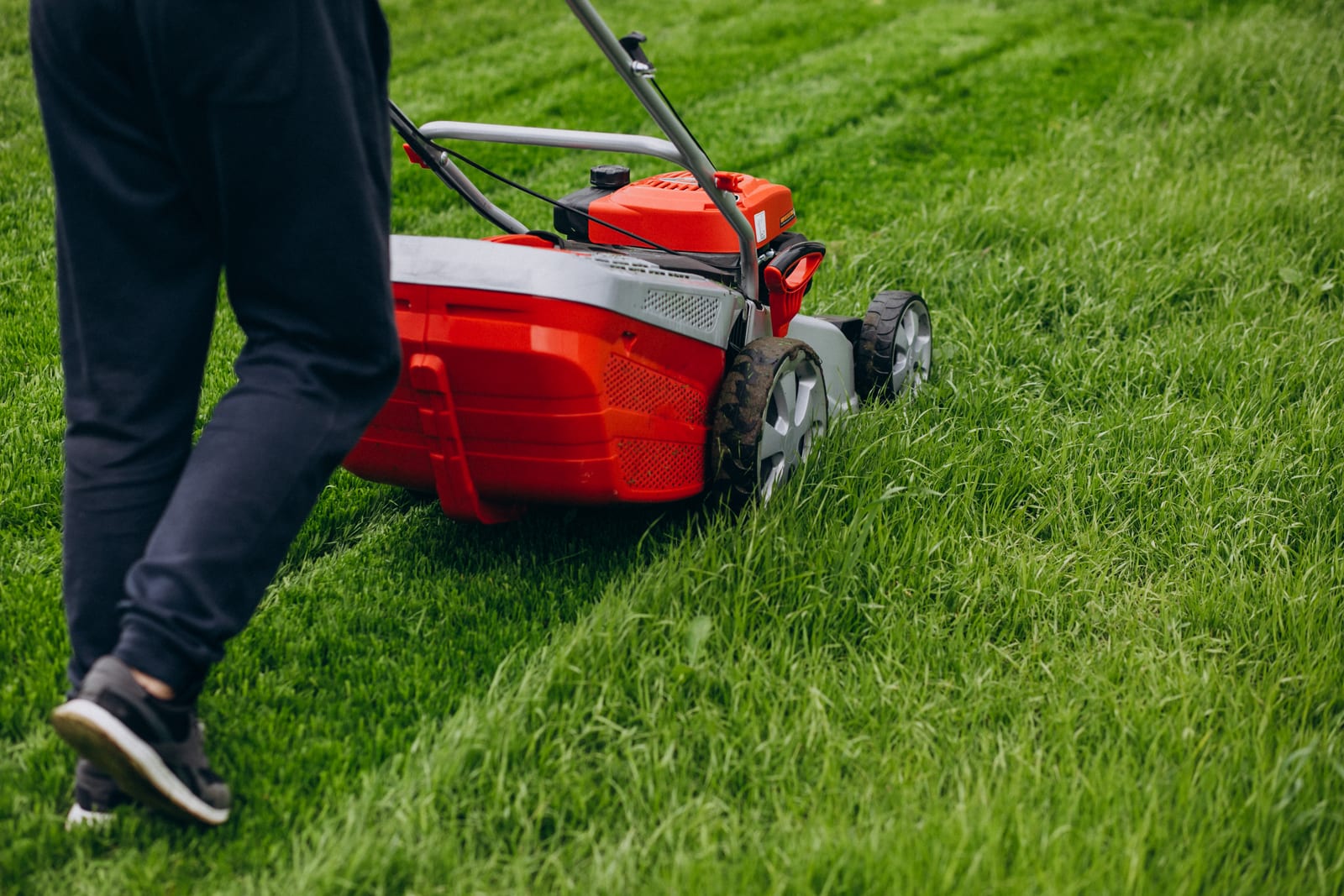
📌 Key Takeaway: Real-time tracking gives lawn care operators live visibility into routes, crews, and service status. That makes it easier to adjust the day as conditions change, keep customers informed, and run a tighter operation without adding office chaos.
The Role of Real-Time Tracking in Lawn Care Operations
Lawn care runs on timing. Crews need to stay on route, office staff need to know where jobs stand, and customers want clear answers when schedules shift. Real-time tracking ties those moving parts together. It gives operators immediate visibility into the day’s work so they can make faster decisions and keep service quality steady.
That matters because lawn service is a recurring business. Missed stops, late arrivals, and poor communication create friction fast. Real-time tracking helps reduce that friction by showing what is happening now instead of forcing the office to guess. The result is a tighter operation, better customer communication, and a business that can handle more work without losing control.
The labor market also shapes how valuable that visibility is. The US unemployment rate was 4.30% on May 1, 2026, according to the Federal Reserve Bank of St. Louis FRED series. When crews are harder to line up and every hour matters, the ability to see and manage work in real time helps operators get more from the people they already have.
Understanding Real-Time Tracking Technology
At its core, real-time tracking combines GPS, mobile apps, and field reporting so the office can see where crews are and what they are doing. It turns a static schedule into a live operational view. Managers can confirm that a crew is on the way, see whether a stop is complete, and follow the day as it unfolds.
That visibility improves communication between the office and the field. When a route changes, the update reaches everyone faster. When a customer has a question, staff can answer with more confidence because they can see the current status instead of relying on a callback or handwritten note. This is where real-time tracking stops being a convenience and starts becoming part of the operating system.
A concrete example makes the value obvious. Imagine a lawn care company with a full route on a day when weather turns unstable after lunch. Without live tracking, the office is left calling crews one by one, trying to guess which stops can still happen and which ones need to move. With live tracking, management can see which teams are closest to finishing, which properties are still waiting, and how much time remains before conditions worsen. That lets the company reschedule intelligently instead of scrambling after the fact. It protects the route, reduces wasted drive time, and keeps the team focused on service instead of last-minute confusion.
Operational Efficiency and Cost Savings
The biggest operational benefit of real-time tracking is simple: it helps the day run on facts instead of assumptions. If a crew finishes early, the office can fill open time. If traffic, weather, or a customer request changes the plan, managers can respond before the whole route gets off track. That flexibility keeps the schedule usable instead of fragile.
It also reduces waste. When managers know where crews are, they can avoid unnecessary back-and-forth calls, duplicate trips, and inefficient routing. Over time, those small savings add up. Fuel, labor, and vehicle wear all improve when the route is organized and the office can make adjustments before a problem spreads.
Resource management gets better too. Real-time tracking gives businesses a clearer picture of where equipment is, how crews are moving, and whether the day is staying within plan. That means fewer delays caused by missing tools or poorly timed dispatches. The office can solve problems earlier, which keeps productivity higher and stress lower across the operation.
The labor market point matters here as well. When unemployment is not low enough to make hiring easy, the businesses that run best are the ones that squeeze more value from each route and each crew. Real-time tracking helps do that by cutting wasted motion and keeping good workers on productive tasks instead of on avoidable cleanup.
Enhancing Customer Experience
Customers notice when a lawn company communicates clearly. They also notice when they do not have to call twice to ask where the crew is. Real-time tracking makes service feel more professional because it gives the business better information and customers better expectations.
When customers can receive accurate updates about arrival windows or service status, the relationship becomes easier to manage. They do not feel ignored, and the office does not get buried in status calls. That creates a better experience on both sides. It also helps customers trust the company because the information they receive is grounded in what is actually happening in the field.
Live tracking also improves the response to problems. If a customer flags an issue or something unexpected happens during service, the office can see the current location and make a quick decision about next steps. That speed matters in lawn care, where a small delay can affect the rest of the route. Fast communication and fast response help turn a potential complaint into a routine correction.
Implementing Real-Time Tracking in Lawn Care Operations
Adopting real-time tracking starts with the right software. The best approach is to choose a platform that connects field visibility with the rest of the business, not a standalone tool that creates another silo. EZ Lawn Biller provides complete lawn service management software, so operators can handle billing, routing, treatment tracking, visit reports, mobile access, reports, payroll, QuickBooks integration, and customer portal access in one place.
That matters because tracking works best when it supports the full workflow. If the office can see route progress, close out visits, and keep the billing side aligned with completed work, there are fewer handoff errors and less duplicate data entry. The technology should support the operation end to end, not just show dots on a map.
Training is just as important as the software itself. Crews need to know how to check in, update job status, and use the mobile tools correctly. Office staff need to know how to read the live data and act on it. When everyone understands the process, the system becomes part of the routine instead of a source of confusion.
Clear goals help too. A company should know what it wants real-time tracking to improve, whether that is response time, route control, customer communication, or better coordination between office and field. Once those goals are defined, managers can review results and adjust their workflow with purpose. That keeps implementation practical and focused on business outcomes.
Future Trends in Lawn Care Tracking Technology
Real-time tracking is already useful, but the next wave of tools will make it even more powerful. As analytics improve, lawn care companies will be able to use live and historical data together to make better decisions about routing, staffing, and service patterns. That kind of visibility helps operators plan ahead instead of reacting too late.
Artificial intelligence and machine learning will likely deepen that advantage. Systems can spot patterns in route performance, recurring delays, and seasonal demand shifts. That gives owners a better basis for scheduling crews and allocating resources. It also helps them spot where the business is leaking time or missing opportunities.
The companies that benefit most will be the ones that treat tracking as part of operations, not a novelty. A lawn business that already uses live field data, routing discipline, and clear reporting can adapt faster when new tools arrive. That keeps the company competitive without making the day more complicated.
Best Practices for Using Real-Time Tracking
Real-time tracking works best when it is maintained carefully. Software should stay current so the office and field teams get reliable performance and the latest security improvements. A neglected system creates more problems than it solves, especially when customer data and route details are involved.
Communication with customers also matters. If tracking affects arrival updates or service visibility, explain it clearly. Customers respond well when they understand how the system improves service and what they can expect from it. That transparency builds trust and reduces confusion.
The strongest results come when tracking connects with the rest of the business. Billing, customer management, route planning, and field reporting should all work together. A lawn service computer program that brings those functions into one system reduces errors and gives managers a fuller picture of the operation. When the data flows cleanly, the company spends less time reconciling information and more time serving customers.
Conclusion
Real-time tracking gives lawn care businesses something every operation needs: clear, current information. It supports better routing, stronger communication, faster problem-solving, and a more reliable customer experience. Those are practical advantages, not abstract ones, and they translate directly into a smoother day.
For lawn service companies that want to grow without losing control, real-time tracking is more than a tech upgrade. It is a management tool that helps the business stay organized as the route gets fuller and the schedule gets tighter. Paired with complete lawn service management software, it gives operators the visibility they need to run efficiently and serve customers well.
Frequently Asked Questions
How does real-time tracking help a lawn care office manage daily routes? It gives you a live view of where crews are, which stops are complete, and what is still pending. That makes it easier to confirm arrivals, respond to route changes, and keep the office and field aligned throughout the day. Instead of guessing, you can make decisions based on current conditions.
Why is real-time tracking especially valuable for recurring lawn care services? Recurring service creates a lot of repeated appointments, and missed stops or late arrivals can quickly frustrate customers. Real-time tracking helps you stay on top of those moving parts so service stays consistent and communication stays clear. That reduces friction and helps your operation run more smoothly over time.
What kinds of tools are involved in real-time tracking for lawn care operations? Real-time tracking typically combines GPS, mobile apps, and field reporting. Together, those tools let you see crew location, monitor job progress, and update the office faster when plans change. The result is a more connected workflow between the field and the office.
How does live tracking help when weather or other disruptions affect the schedule? It lets you see which crews are closest to finishing, which properties are still waiting, and how much time remains before conditions get worse. With that information, you can reschedule intelligently instead of calling crews one by one and reacting late. That protects the route, cuts wasted drive time, and keeps the team focused on service.
Related Articles
- The Benefits of Real-Time Tracking for Lawn Operations
- The Best Tips for Coordinating Lawn Crews in Real Time
- The Importance of Real-Time Updates for Lawn Crews
- The Importance of Time Tracking in Lawn Care