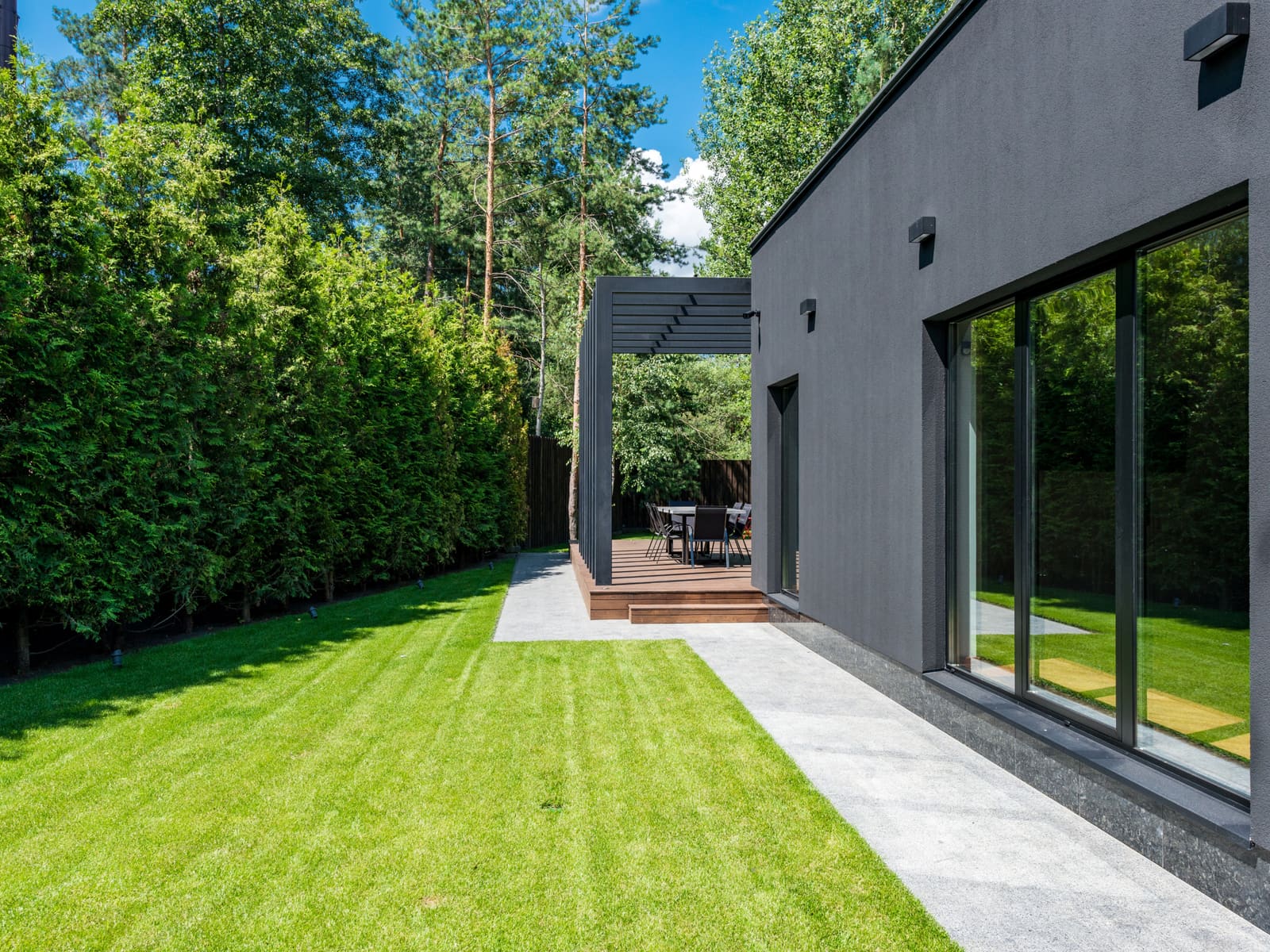
📌 Key Takeaway: Automation improves customer experience when it removes friction without making the business feel cold. In lawn care, that means accurate statement billing, clearer communication, better service records, and faster follow-through. The best systems save time for the office and make the homeowner feel informed at every step.
Automation changes customer experience because it changes the pace and clarity of the entire service relationship. In lawn care, customers do not just want a mowed property. They want reliable scheduling, clear statements, quick answers, and a sense that nothing is slipping through the cracks. When those basics run on automation, the business feels more organized, and the customer feels more confident.
That matters even more when the market is active. US housing starts reached 1427.00 k starts SAAR on June 1, 2026, according to the FRED housing starts series. More homes mean more accounts to onboard, route, bill, and support. Automation helps lawn companies keep that growth from turning into chaos.
That is why the conversation should not stop at efficiency. Automation shapes the tone of the customer relationship. It cuts down on delays, reduces avoidable mistakes, and gives the office more room to handle real service issues instead of repetitive admin work. For a lawn company, that combination matters. It supports recurring revenue, keeps routes moving, and creates a cleaner experience for the homeowner.
This post breaks down where automation helps most: statement billing, communication, service tracking, personalization, implementation, and the long-term cost savings that come from running a tighter operation.
Streamlining Service with Automated Billing
Billing is one of the fastest ways to improve customer experience because it touches every homeowner. When billing is manual, the office spends time rebuilding the same information, checking totals, and fixing avoidable errors. Customers notice when statements arrive late or when they have to ask for corrections. A cleaner process removes that friction.
EZ Lawn Biller handles this with statement billing, not one-off invoices. That matters because lawn service is recurring. A running-balance statement gives the homeowner one clear view of services, payments, and credits over time. It is easier to understand than a pile of separate charges, and it fits the way lawn accounts actually work. Customers can pay the balance, pay any custom amount, or set up auto-pay through PayPal or Stripe Vault through the customer portal. That keeps payments moving without constant office follow-up.
A real-world example makes the difference obvious. Picture a company that services the same residential route each week. Without automation, the office may spend part of Friday assembling statements, checking each account by hand, and answering calls from homeowners who want to know what they owe. With statement automation, that work happens consistently in the background. The homeowner sees an up-to-date balance, the office avoids repetitive data entry, and the business looks more professional because the billing rhythm is predictable.
Automation also improves trust. When statements are accurate and sent on time, customers feel the business is in control. That confidence carries over into renewals, referrals, and payment habits. It is not just an admin win. It is a customer-service win.
Enhancing Client Communication Through Automation
Good communication keeps service relationships stable. Bad communication creates unnecessary calls, missed appointments, and frustration that could have been avoided with a timely message. Automation helps lawn companies stay ahead of those problems by making routine communication consistent.
The most useful examples are also the simplest. Automated reminders for upcoming service, payment notices, and follow-up messages keep customers informed without requiring the office to send each note manually. That reduces confusion and helps customers plan around visits. It also lowers the odds that a homeowner forgets a scheduled service or overlooks a statement.
Feedback requests work the same way. When a company automatically asks for input after a service visit, it gets a clearer picture of the customer experience while the job is still fresh. That gives the business a chance to fix problems quickly instead of discovering them later through a complaint or a lost account. The value is not in collecting feedback for its own sake. It is in creating a system that catches service gaps early.
This is where automation quietly strengthens customer loyalty. Homeowners do not need constant messaging. They need the right message at the right time. A reminder before the visit, a statement when the billing cycle closes, and a follow-up if something needs attention all create a smoother experience. The result is fewer missed steps and fewer reasons for the customer to feel ignored.
Service Tracking for Increased Efficiency
Customers judge a lawn company by consistency. They expect the right service to happen at the right time, and they expect the crew to know what was done last visit. Service tracking supports that expectation by keeping the history visible and organized.
When every job, treatment, and visit report is recorded in one system, the office can answer questions quickly and the field can work with better context. If a homeowner asks when a property was last serviced or whether a treatment was completed, the answer should not require a search through paper files or scattered notes. It should be available immediately.
That kind of tracking also helps the company respond to customer preferences. If a homeowner asks for fertilization at certain times of year or wants extra attention on a specific area, the record should make that easy to see. Automation reduces the chance that these details get lost between routes, staff changes, or busy seasonal periods. The customer feels remembered, which is a major part of service quality.
Mobile access makes this even stronger. Technicians and office staff can review service history, upcoming jobs, and needed supplies while they are on the move. That means fewer calls back to the office and fewer surprises in the field. When the crew arrives prepared, the homeowner notices. Efficient internal tracking becomes a visible sign of reliable service.
Creating Personalized Experiences with Automation
Personalization does not have to be complicated. In lawn care, it often comes down to recognizing the customer as more than an account number. Automation makes that easier because it can organize the details that support a more personal relationship.
Seasonal reminders are a good example. A homeowner who receives a timely note about upcoming treatment or maintenance feels like the company is paying attention. Birthday messages, service anniversaries, and account-specific reminders can also be automated without losing warmth. The point is not to replace human interaction. It is to make sure the company stays present in the customer’s mind without adding manual work to every touchpoint.
Data also helps the business communicate more intelligently. When the company sees which services a customer uses, how often they receive visits, and which messages get the best response, it can shape outreach around real behavior instead of guesswork. That means fewer irrelevant messages and more useful ones.
Personalization works because it shows attention to detail. A homeowner is far more likely to stay loyal when the business remembers past requests, sends relevant updates, and follows through without being asked twice. Automation supports that consistency, and consistency builds trust.
Best Practices for Implementing Automation in Lawn Care
Automation works best when it is introduced with purpose. The goal is not to automate everything at once. The goal is to remove the most frustrating manual tasks first and build from there.
Start with the processes that create the most friction for customers and staff. Statement billing, service reminders, and follow-up messages are often the best starting points because they affect both communication and cash flow. Once those pieces are stable, expand into service tracking, reporting, and other workflows that support daily operations.
Choosing the right tool matters just as much as choosing the first workflow to automate. For lawn care businesses, the software should support billing, routing, treatment tracking, visit reports, the mobile app, reports, payroll, QuickBooks integration, and the customer portal. That is what makes it complete lawn service management software instead of a narrow tool that only solves one problem. EZ Lawn Biller is built around that broader operational need, so the office and the field stay connected instead of working in separate systems.
Training matters too. A system only improves customer experience if the team actually uses it correctly. Staff should know how statements are created, how service notes are recorded, and how customer messages are triggered. If the process is clear internally, it becomes clear externally as well.
The last step is review. Automation should be monitored against real outcomes: fewer billing errors, faster response times, better customer retention, and fewer missed service details. If a workflow is not improving the customer experience, adjust it. The value comes from using automation to support the business, not from adding software for its own sake.
Future Trends in Automation and Customer Experience
Automation will keep moving closer to the customer-facing side of the business. The next stage is not just faster admin work. It is better decision-making and better timing.
Artificial intelligence will likely improve how lawn companies segment customers, predict service needs, and personalize outreach. That does not replace the relationship, but it can make communication more relevant. If a system can recognize patterns in service history and seasonal demand, the business can send more useful reminders and avoid generic messages that customers ignore.
CRM integration will also matter more. A full view of the customer relationship helps the office respond faster and keep service details aligned across billing, scheduling, and reporting. That leads to fewer gaps between what the customer expects and what the company delivers.
Chat-style support is another likely step forward, especially for simple questions about statements, appointments, and account status. When customers can get quick answers without waiting on a callback, the whole experience feels smoother. The office still handles the important human issues, but the routine questions no longer slow everything down.
There is also a growing expectation that companies can support sustainable practices and explain them clearly. Automation helps here because it gives businesses a better record of what was done, when it was done, and how services were delivered. That transparency matters to homeowners who want a dependable provider with a clean process.
The Cost-Effectiveness of Automation
Automation improves customer experience, but it also improves the economics behind the service. That is important because a business cannot deliver a strong experience for long if the back office is overloaded.
When the office spends less time on manual billing, repeated reminders, and paperwork, it can handle more accounts without adding the same amount of labor. That lowers overhead and reduces the risk of errors that lead to lost revenue or extra follow-up. The company becomes easier to run, and that stability shows up in the customer experience.
The return is not only operational. Customers stay with companies that are organized, responsive, and easy to pay. That kind of retention is worth more than a single transaction because lawn service depends on recurring relationships. A smooth system supports those relationships by making the company simpler to do business with.
Automation also makes referrals more likely. Homeowners talk about service quality, but they also talk about reliability. When billing is clear, communication is timely, and the crew seems prepared, customers notice. Those are the habits that create word-of-mouth growth.
Automation is not a luxury for lawn care businesses that want to compete well. It is part of the operating model. The companies that use it well deliver a better customer experience because they spend less time fixing preventable issues and more time serving the homeowner.
Conclusion
Automation improves customer experience by making lawn service more predictable, more transparent, and easier to manage. Statement billing keeps payments clear. Service tracking keeps records organized. Communication tools keep customers informed. Personalization helps the business feel attentive instead of generic.
The companies that benefit most are the ones that treat automation as part of the customer relationship, not just an office shortcut. When the software supports the field, the office, and the homeowner at the same time, the business runs with less friction and stronger trust. That is the real payoff: better service, fewer mistakes, and a customer experience that reflects a well-run lawn company.
Related: EZ Lawn Biller
Frequently Asked Questions
How does automation improve the customer experience in a lawn care business? Automation makes the service relationship feel faster, clearer, and more reliable. It reduces delays, cuts down on avoidable mistakes, and frees your office team to focus on real customer issues instead of repetitive admin work. For homeowners, that means better scheduling, clearer statements, and less worry that something is being missed.
Why is statement billing a better fit than one-off invoices for recurring lawn service? Statement billing gives your customer one running view of services, payments, and credits instead of a stack of separate charges. That matches how recurring lawn accounts work and makes it easier for customers to understand what they owe. It also helps reduce confusion when payments and balances change over time.
What payment options can customers use in the automated billing process? Customers can pay the balance, pay any custom amount, or set up auto-pay through PayPal or Stripe Vault in the customer portal. Those options keep payments moving without repeated office follow-up. They also give customers more flexibility in how they manage their account.
What parts of the customer experience besides billing can benefit from automation? Automation can also improve communication, service tracking, personalization, implementation, and long-term cost savings. In a lawn care business, those pieces help keep routes moving, support recurring revenue, and create a more organized experience for the homeowner. The result is a smoother operation that feels more dependable to customers.