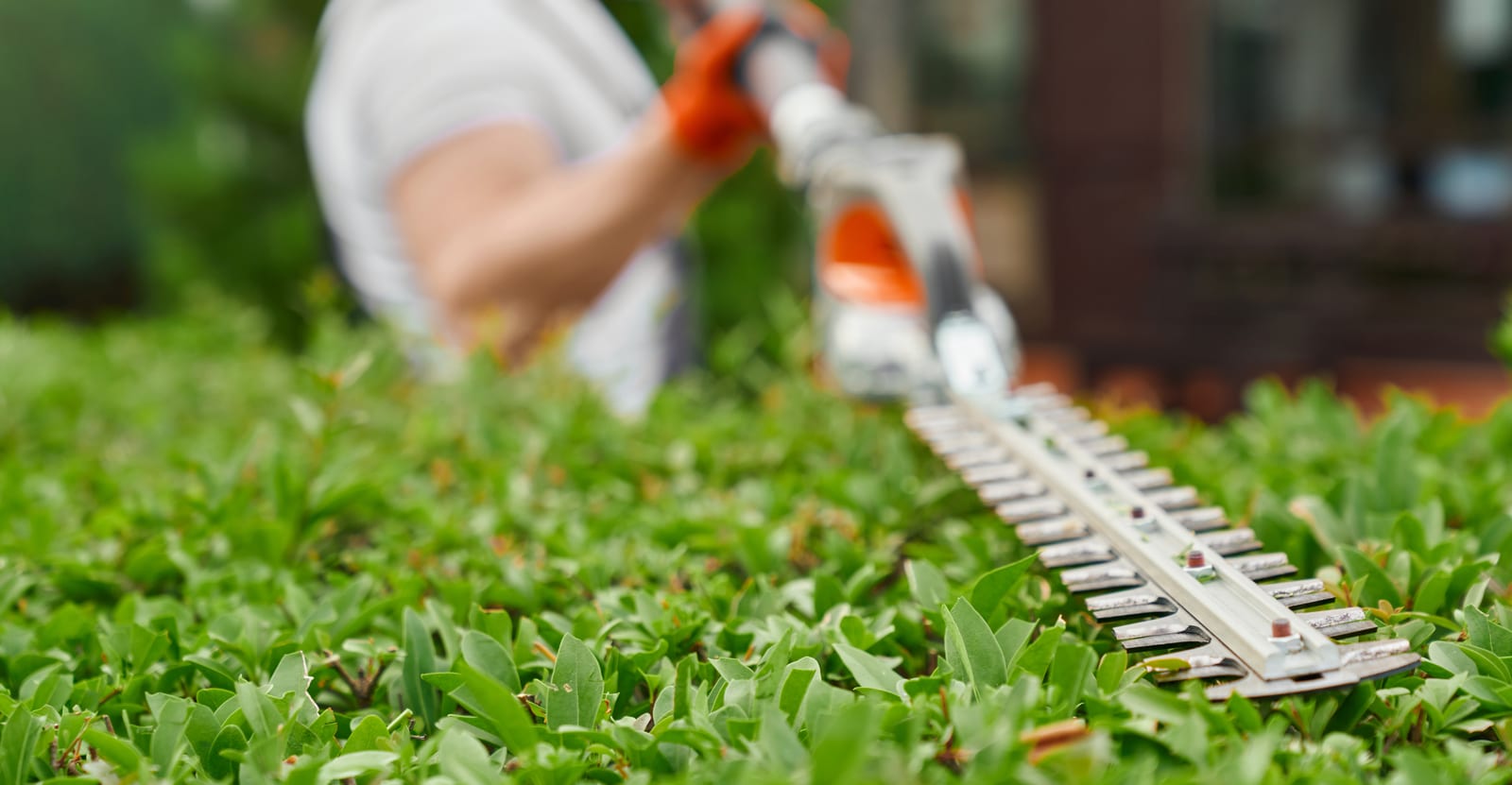
📌 Key Takeaway: Automated reminders keep lawn clients informed, reduce missed visits, and make it easier to stay on top of payments. That steady communication builds trust, which is what keeps recurring customers on route month after month.
The Power of Automated Reminders for Client Retention
Automated reminders do more than save time. In lawn service, they keep routes moving, reduce confusion, and make customers feel looked after. When a homeowner knows when service is coming, what to expect, and how to handle payment, the relationship feels organized instead of transactional. That matters because retention depends on consistency.
This is where complete lawn service management software becomes useful. A system that handles billing, routing, treatment tracking, visit reports, a mobile app, reports, payroll, QuickBooks integration, and a customer portal gives you one place to manage client communication. Automated reminders fit into that workflow and help every part of the operation run cleaner.
Understanding the Importance of Client Retention
Client retention is the engine behind stable growth. New leads matter, but recurring customers keep the business predictable. In lawn care, that predictability is especially valuable because routes, treatments, and seasonal work all depend on a steady base of active accounts.
Automated reminders support that base by keeping service on the customer’s radar. When clients get a reminder before a scheduled visit, they are less likely to forget, less likely to question the timing, and more likely to stay engaged with the relationship. That reduces missed appointments and last-minute confusion.
Retention also improves when customers feel informed. A homeowner who receives clear updates is less likely to wonder whether the crew is coming, whether a treatment was completed, or whether a payment is due. That clarity builds confidence. Over time, confidence becomes loyalty.
The broader economy also reinforces the value of keeping good customers. The US unemployment rate was 4.10% on August 1, 2026, according to FRED. In that kind of labor market, keeping reliable recurring accounts matters because replacing lost work takes more effort from both the office and the field.
Enhancing Communication Through Automation
Good communication is simple, timely, and consistent. Automated reminders make that possible without adding manual work to every route or service stop. Instead of relying on memory or scattered follow-up calls, the office can send the same dependable message every time.
A lawn care company might use reminders to confirm an upcoming mowing visit, alert a customer before a fertilization treatment, or notify them when a statement is ready. Those messages help homeowners prepare and keep the service relationship organized. They also reduce the chances that a customer overlooks an appointment or misses a payment window.
The real value is not just the message itself. It is the habit of communication. When customers hear from you regularly in a useful way, they stop feeling like they have to chase the business for basic information. That lowers friction and makes the service feel professional.
One real-world example makes this clear: a lawn company with a busy weekly mowing route can send a reminder the day before service so the homeowner knows to move yard items, unlock gates, or keep pets inside. That small step can prevent delays at the stop, avoid back-and-forth calls, and make the whole route run more smoothly. A simple reminder solves an operational problem and improves the customer experience at the same time.
Boosting Customer Satisfaction and Loyalty
Customer satisfaction often comes down to whether a business makes life easier. Automated reminders do that by reducing uncertainty. Clients do not want to guess when service is coming or wonder whether a payment was missed. They want clear, timely communication they can trust.
That sense of reliability matters. When reminders arrive on time, customers feel respected. They know the company is paying attention, and that attention translates into loyalty. A satisfied client is more likely to stay on service longer, keep the relationship active through the season, and recommend the company to a neighbor.
Reminders also support cleaner payment handling. Statement reminders help customers see what is due without turning the process into a back-and-forth exchange. That keeps cash flow steadier and reduces awkward collection follow-up. In a recurring business, that kind of consistency matters as much as the work in the field.
Implementing Best Practices for Automated Reminders
The best reminder systems are useful, not noisy. Start with personalization. A reminder that uses the customer’s name and references the actual service feels far better than a generic blast. It shows that the business knows who the customer is and what they receive.
Timing matters too. Send reminders close enough to be useful, but not so close that the customer cannot act on them. A service reminder should give the homeowner time to prepare, while a payment reminder should arrive early enough for them to review the statement and respond without pressure.
It also helps to let customers choose how they want to hear from you. Some will prefer email, while others will respond faster to text. Giving them that flexibility improves the experience and reduces the chance that a useful reminder gets ignored.
The best systems also keep the message focused. Every reminder should have a clear purpose. If it is about a service visit, say that. If it is about a statement, make that obvious. Clean communication works because it respects the customer’s time.
Leveraging Technology for Efficiency
The right technology turns reminders from a manual task into a reliable process. Software such as lawn service software can connect routing, billing, and customer communication so reminders go out automatically as part of the normal workflow.
That matters in a lawn business because service is recurring. The office does not need to rebuild the same message every week or chase down every customer by hand. Instead, the system can trigger reminders for scheduled visits, statement balances, and service follow-ups. That saves time and cuts the risk of missed communication.
Technology also keeps the brand presentation consistent. A reminder that matches the company’s tone and format feels more polished than a one-off message sent from a personal phone or a patchwork of tools. Customers notice that consistency. It reinforces the sense that they are dealing with an organized operation.
For companies that want to tighten the whole process, automated reminders work best when they are part of a broader system rather than a standalone feature. Billing, routing, visit reports, and customer communication should work together. That is how you reduce busywork and keep the office focused on the parts of the business that need judgment.
Examples of Successful Implementation
The strongest reminder systems solve real operational problems. One lawn care company used personalized text and email reminders for upcoming service visits and for statement communication. The result was fewer missed appointments, less office follow-up, and customers who felt better informed about what was happening on their property.
Another seasonal provider used reminders to send service notes and practical lawn care tips. That kept customers engaged between visits and positioned the company as a trusted advisor instead of just a crew that showed up and left. The reminders created a stronger relationship because they added value, not just noise.
These examples show the same pattern. When reminders are timely, specific, and tied to the actual service experience, they improve retention. The customer feels informed, the office spends less time chasing details, and the business gets a smoother operating rhythm.
Challenges and Solutions
Automated reminders can become a problem if they are overused. Too many messages create fatigue, and fatigued customers start tuning the business out. The solution is restraint. Send reminders only when they help the customer prepare, understand a statement, or stay on top of service.
Some customers will opt out of reminders, and that is usually a sign that the communication needs to be more useful, not more frequent. Make the value obvious. Explain that reminders help them stay ahead of service dates, avoid confusion, and keep billing simple. Then pay attention to feedback so you can adjust the cadence and format.
The best reminder strategy respects the customer’s inbox and phone. It should feel like a service, not an interruption. When the message is practical and well timed, customers welcome it. When it is repetitive or vague, they ignore it.
Conclusion
Automated reminders strengthen client retention by making lawn service easier to follow and easier to trust. They improve communication, support smoother billing, and help customers stay connected to your business between visits.
Used well, reminders are part of a larger operating system that includes routing, statement billing, visit reports, and customer communication. That is why a tool like lawn service app fits naturally into the workflow. It helps the office stay organized and gives customers a clearer experience from start to finish.
The result is a more stable business. Customers stay informed, the team spends less time on manual follow-up, and the company looks dependable every time it communicates. That is what retention is built on.
Frequently Asked Questions
How do automated reminders actually help retain lawn care clients? Automated reminders keep service top of mind, which reduces missed appointments and last-minute confusion. They also make customers feel informed about what is coming next, which builds confidence in your service. Over time, that consistency helps turn routine communication into loyalty.
What kinds of customer messages are most useful to automate? The most useful reminders are the ones that keep service clear and predictable, such as confirming an upcoming mowing visit, alerting a customer before a fertilization treatment, or notifying them when a statement is ready. These messages help clients know when to expect service and what action, if any, they need to take. That lowers confusion without adding manual follow-up work.
How does lawn service management software support automated reminders? Complete lawn service management software brings billing, routing, treatment tracking, visit reports, a mobile app, reports, payroll, QuickBooks integration, and a customer portal into one place. That central setup makes it easier to tie reminders into the rest of your workflow instead of managing communication separately. As a result, your team can keep clients informed while keeping operations cleaner.
Why does better communication matter so much in lawn care retention? Better communication matters because recurring customers rely on predictability. When customers know when the crew is coming, what was completed, and whether payment is due, the relationship feels organized rather than transactional. That clarity reduces uncertainty and helps clients stay engaged with your business.
Related Articles
- The Power of Gratitude in Lawn Care Client Retention
- Building a Client Retention Strategy That Actually Works
- How to Streamline Communication with Automated Reminders
- The Hidden Financial Benefits of Client Retention