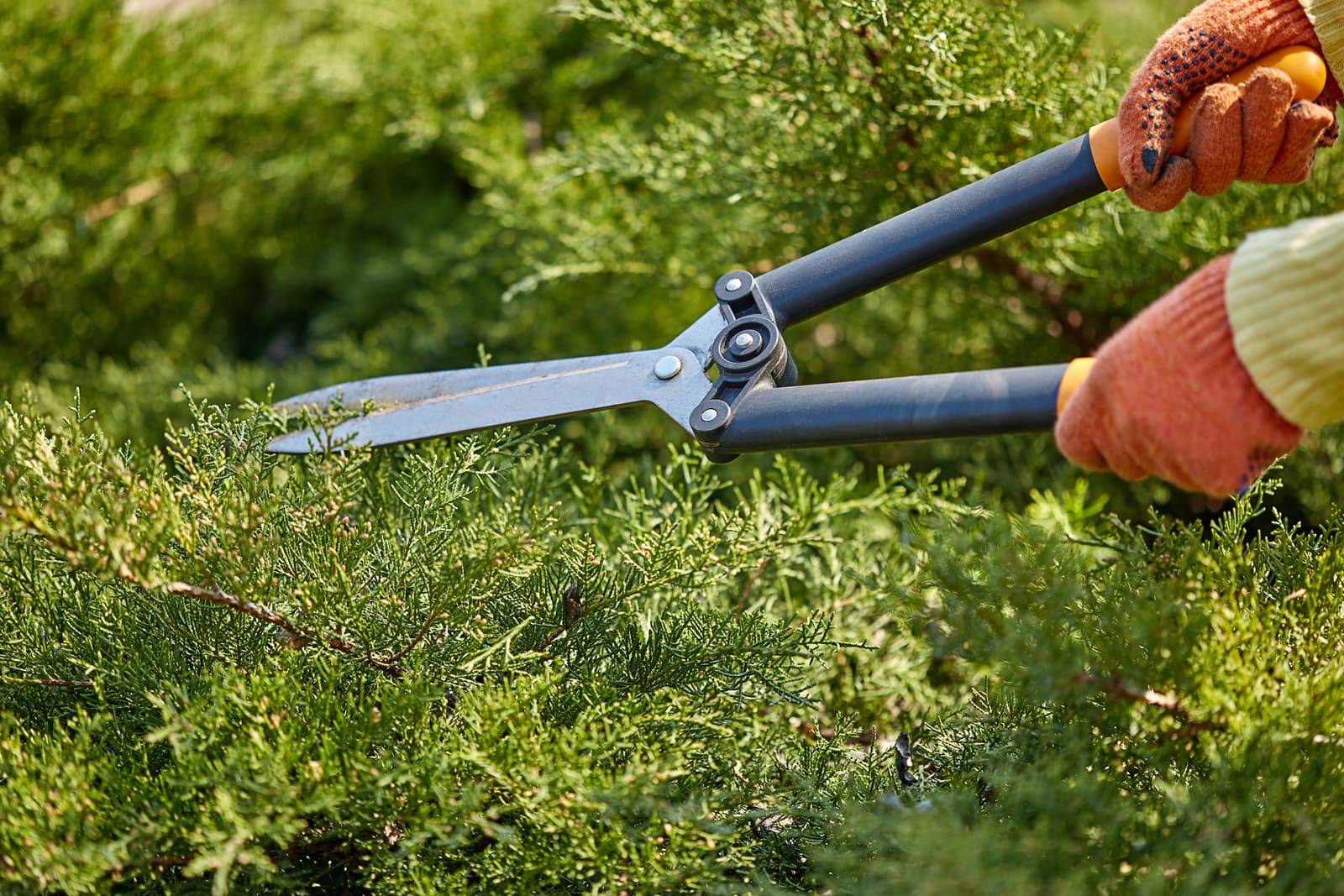
📌 Key Takeaway: Lawn chemical compliance is not a paperwork exercise. It affects licensing, label use, application timing, recordkeeping, liability, and how well a business can defend itself when a treatment goes wrong.
The Legal Implications of Lawn Chemical Usage
Lawn chemical usage sits at the intersection of regulation, safety, and business risk. Lawn care professionals and homeowners both need to understand the rules because chemical treatments affect more than turf quality. They can affect waterways, neighboring properties, worker safety, and a company’s exposure to claims.
That makes this issue practical, not abstract. A crew can apply the right product and still create a legal problem if it uses the wrong rate, misses a label restriction, or works under conditions that local rules prohibit. A business that keeps careful records, follows labels, and communicates clearly reduces that risk and operates with more confidence. The sections below cover the rules, the liability concerns, and the operational habits that help a lawn care company stay compliant.
Understanding Regulations Surrounding Lawn Chemicals
Chemical regulation starts with federal law, but it does not end there. The Environmental Protection Agency regulates pesticides and herbicides through the Federal Insecticide, Fungicide, and Rodenticide Act, and products must be registered with approved labels before they can be sold or used. That label is not marketing copy. It is the legal instruction manual for the product.
State rules often add another layer. Many states require licenses or certifications before a technician can apply certain chemicals, which helps ensure that the person handling the product understands safe use, storage, and application. Local ordinances can be even more specific. They may restrict when certain products can be applied, where they can be used, or how close they can come to schools, parks, or other sensitive areas.
The legal risk shows up fast when a company treats scheduling as more important than compliance. If a crew applies fertilizer before a heavy rain because the route is already full and nobody wants to reschedule, runoff can carry material into storm drains or nearby water. If local rules prohibit that timing, the job becomes a violation even if the product itself is approved. The issue is not just what was used. It is where, when, and how it was used. Staying current on local rules is part of the job, not an optional extra.
Labor conditions can also shape compliance decisions. The national unemployment rate was 4.30% on May 1, 2026, and it moved to 4.10% on July 1, 2026, according to FRED. Even with that improvement, recruiting and retention still require tight scheduling and clear field procedures. When crews are stretched thin, companies need tighter scheduling and clearer field procedures, not looser standards.
Liability and the Real Cost of Mistakes
Compliance matters because liability follows bad application practices. If a treatment damages a water source, harms wildlife, or drifts onto a neighboring property, the business may be responsible for the consequences. Those claims can come from regulators, property owners, or both.
Negligence claims create a separate layer of exposure. If a customer was not told what product was being applied, what precautions to take, or how long to wait before using the lawn, the company can be accused of failing its duty of care. The same is true when a technician ignores the label, skips protective steps, or applies a product outside the recommended conditions.
Documentation is the first line of defense. A company should keep records of the chemical used, the date of application, the dosage, and the relevant safety data sheets. Those records do more than satisfy an internal checklist. They help show that the company followed a process if a complaint turns into a dispute. Clear communication matters just as much. When customers know what was applied and why, the business reduces confusion and lowers the chance of a claim built on guesswork.
The strongest operators treat documentation as part of service, not an afterthought. They do not wait until a customer complains to reconstruct what happened. They build a record as they work, then use that record to answer questions, resolve concerns, and protect the business if someone challenges the treatment later.
Best Practices for Chemical Usage
Good compliance starts with qualified people. Technicians should hold the required licenses or certifications before handling regulated products, and managers should treat that as a baseline requirement rather than a formality. Training then turns that qualification into consistent field performance.
A strong training program should cover label reading, proper application methods, emergency response, storage, and environmental precautions. It should also be refreshed regularly, because procedures can drift when crews rely on habit instead of current rules. Lawn service is recurring work, and recurring work requires recurring training. One orientation session is not enough when product labels change, weather patterns shift, and field conditions vary from property to property.
Integrated pest management supports that effort by reducing unnecessary chemical use. IPM emphasizes prevention: healthy soil, proper mowing practices, resistant plant varieties, and early problem detection. Those practices do not eliminate chemical treatments, but they make treatments more targeted and less frequent. That lowers exposure for the customer, the crew, and the business.
Best practice also means matching the product to the job. A lawn that needs a measured treatment should not receive a broad, routine application just because the route is moving quickly. Companies that build discipline into their process protect both their customers and their margins. Fewer mistakes mean fewer callbacks, fewer complaints, and less time spent cleaning up preventable problems.
Technology Makes Compliance Easier to Prove
Technology makes compliance easier to manage and easier to prove. Lawn service businesses can use software to track chemical applications, schedules, and customer communication in one place. That matters because a compliant process is only useful if the company can document it when questions come up.
EZ Lawn Biller supports this kind of operational control by helping businesses manage statements, service records, and customer communication alongside the rest of their day-to-day work. For a lawn company, that connection matters. When billing, routing, treatment tracking, visit reports, reports, payroll, and the customer portal live in the same system, the office has a cleaner record of what happened in the field and when it happened. That makes it easier to answer customer questions, confirm a treatment, and tie work performed to the right statement.
Mobile tools add another layer of transparency. A field app can capture application dates, service notes, and weather conditions, then make that information available to the office and, when appropriate, the customer. That reduces the gap between what the crew did and what the customer understands. In a regulated business, that gap is where problems start.
Software also helps with consistency. A well-run system prompts crews to follow the same process every time, which is exactly what compliance depends on. It reduces missed steps, makes reporting faster, and gives management a clear view of where the field process is strong and where it needs correction.
The Environmental Impact of Lawn Chemicals
Environmental concerns are part of the legal conversation because chemical use can create off-site effects. Synthetic fertilizers and pesticides can contribute to soil degradation, water pollution, and harm to non-target species, including beneficial insects and wildlife. Those effects are why regulators pay attention to how and when products are used.
Runoff is one of the biggest concerns. When treated material reaches waterways, the damage can extend far beyond the original property. The result may be ecological harm, drinking water issues, and closer scrutiny from local authorities. Over time, heavy dependence on the same chemical approach can also create resistance problems, which pushes some operators toward heavier applications just to maintain the same result.
That cycle is expensive and risky. It is also avoidable. Organic fertilizers, natural pest repellents, and biopesticides can reduce the environmental burden when they fit the job. They are not a cure-all, and they are not always the right answer for every property, but they give lawn companies more flexibility. A business that can offer responsible options has a better chance of serving customers who care about environmental impact without sacrificing performance.
Environmental responsibility also supports better business decisions. When a company uses targeted treatments instead of blanket applications, it lowers waste, protects the property, and reduces the chance of complaints. That discipline helps the business stay ahead of regulators and ahead of competitors that still rely on sloppy habits.
The Role of Community Awareness and Education
Education helps prevent problems before they start. Lawn care professionals can explain what a treatment does, what precautions matter, and why a certain approach is safer than a blanket application. That conversation does not need to be complicated. It needs to be clear, direct, and grounded in the customer’s property.
A simple explanation often prevents confusion later. If a technician tells a homeowner that a treatment is designed for a specific weed problem and explains when the lawn can be used again, the customer is less likely to panic, second-guess the service, or call with complaints. That kind of clarity also matters inside the company. Office staff and field crews need the same language so they do not give conflicting answers.
Workshops, brochures, and online resources can support that effort, but the most effective education often happens during normal service interactions. When a technician or office team answers questions plainly, customers are more likely to trust the recommendation and follow instructions. That reduces confusion, improves cooperation, and makes compliance easier on both sides.
Community awareness also helps create demand for better practices. Customers who understand the difference between routine chemical use and more selective treatment are more willing to support responsible service. For the business, that can mean stronger loyalty and more referrals. It also positions the company as a knowledgeable partner rather than just a vendor.
Why Strong Operations Lower Legal Risk
Legal compliance is strongest when it is built into the company’s daily workflow. A lawn business that keeps routes organized, records treatment details, and gives crews a consistent process is harder to trip up and easier to defend. The legal side is not separate from operations. It is part of operations.
That is why weak systems create legal exposure even when the product choice is sound. If the office cannot confirm when a treatment was applied, the crew cannot explain what was used, and the customer never got a clear notice, the company loses control of the story. The legal risk grows because the business cannot show what happened. Good operations prevent that gap.
This is where statement management, routing, treatment tracking, visit reports, reports, payroll, QuickBooks integration, and the customer portal all work together. The more connected the system is, the easier it is to match field work to the customer record and the customer statement. That does not just save time. It creates a cleaner compliance trail.
The broader labor market makes that structure even more valuable. With the unemployment rate at 4.10% on July 1, 2026, operators still cannot afford to waste time on manual follow-up or avoidable rework. A steady process protects margins and reduces the chance that a staffing problem turns into a compliance problem.
Conclusion
The legal implications of lawn chemical usage reach well beyond product selection. They include federal, state, and local rules, liability exposure, field training, recordkeeping, environmental impact, and customer communication. A lawn care business that treats those issues seriously is better protected and better organized.
The strongest operators do not rely on memory or informal habits. They build compliance into the way they work, document what they do, and use software to keep the office and field aligned. That approach protects the environment, reduces legal risk, and creates a more reliable customer experience.
For lawn companies that want to keep their operations tight while handling statements, routing, treatment tracking, visit reports, reports, payroll, QuickBooks integration, and the customer portal in one place, EZ Lawn Biller gives them a practical system to do it.
Frequently Asked Questions
What makes a lawn chemical application legally risky even when the product itself is approved? A product being approved does not make every use of it legal. You still have to follow the label directions, use the correct rate, and obey any state or local restrictions on timing, location, and proximity to sensitive areas. If you apply a product under prohibited conditions, the application can become a violation even if the chemical itself is registered.
Why is the product label so important for compliance? The label is the legal instruction manual for the chemical, not just a set of usage tips. It tells you how the product may be sold, used, stored, and applied, and you are expected to follow it exactly. Ignoring a label restriction can create legal exposure for both a technician and the business.
What additional rules can states and local governments impose on lawn chemical use? States often require licenses or certifications before a technician can apply certain chemicals. Local ordinances can go further by limiting when a product may be applied, where it may be used, or how close it can be to schools, parks, or other sensitive areas. That means compliance has to account for more than federal registration alone.
How can a lawn care company reduce legal and liability risk when using chemicals? A company can lower risk by keeping careful records, following labels, and communicating clearly with customers and crews. It should also stay current on federal, state, and local rules so scheduling decisions do not conflict with compliance. Good operational habits help prevent runoff issues, worker safety problems, and claims tied to improper application.