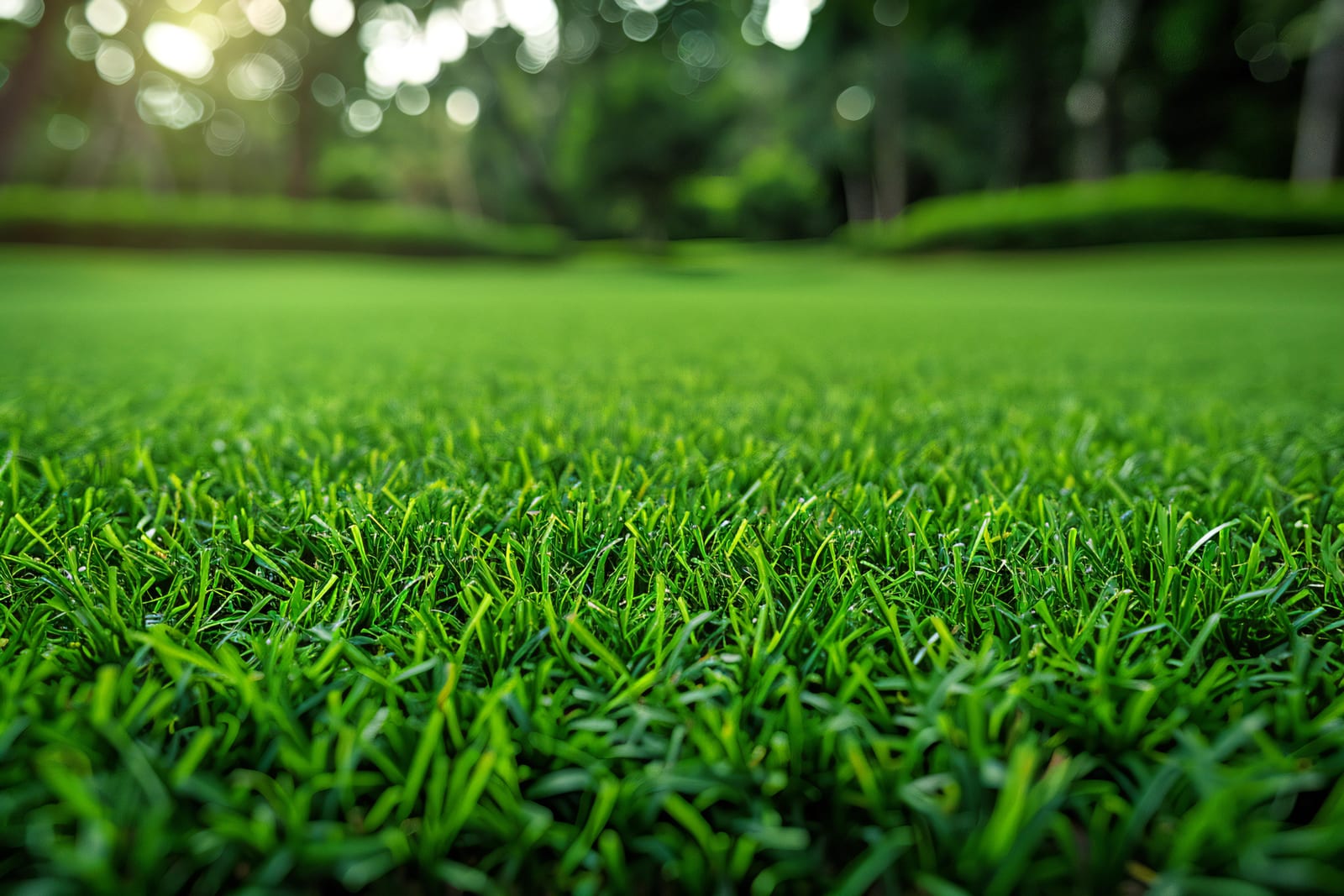
📌 Key Takeaway: Eco-conscious lawn management protects soil, water, and local wildlife while still producing a healthy, attractive lawn. The most effective programs start with soil health, use less water, and rely on prevention instead of heavy chemical use.
Eco-conscious lawn management is a practical response to real environmental pressure. Lawn care affects water use, runoff, soil life, and neighborhood habitats. The goal is not to make lawns look wild or neglected. It is to manage them with more care so they stay healthy with less waste.
For homeowners and lawn care professionals, that shift matters. A lawn managed with sustainable methods can hold moisture better, resist stress more effectively, and support healthier growth over time. It also reduces dependence on repeated chemical treatments and unnecessary irrigation. That makes the lawn easier to maintain and better for the surrounding environment.
Why Eco-Conscious Lawn Management Matters
Eco-conscious lawn management is about stewardship. It asks a simple question: how do you keep turf healthy without damaging the soil, water, and living systems around it?
Traditional lawn care often leans on synthetic fertilizers, pesticides, and heavy watering. Those tools can solve short-term problems, but they can also create new ones. Chemicals can move off-site in runoff. Overwatering can waste a limited resource and weaken root systems. A lawn that depends on constant correction often becomes less resilient, not more.
A better approach starts with the idea that the lawn is part of a larger ecosystem. Soil microbes, earthworms, beneficial insects, native plants, and moisture retention all play a role in long-term success. When those pieces work together, the lawn needs less intervention. That is the core value of eco-conscious management: healthier turf with fewer inputs and less environmental cost.
A real-world example makes the point clear. A homeowner who switches from frequent blanket treatments to soil testing, targeted nutrition, and smarter mowing often sees steadier results within a season. The lawn may not look identical overnight, but it usually becomes easier to manage because the grass is working with the soil instead of fighting it. That is the kind of change sustainable lawn care is designed to create.
Understanding the Core Principles
At its center, eco-conscious lawn management rests on sustainability and restraint. The idea is to use only what the lawn actually needs and to build conditions that support long-term growth.
That begins with the soil. Healthy soil stores water better, supports deeper roots, and feeds grass more efficiently. It also reduces the need for repeated correction. Compost, organic matter, and natural fertility programs can help restore that balance without overloading the lawn.
Water use is the second major principle. Lawns do need moisture, but they do not need waste. Efficient watering, deeper but less frequent irrigation, and drought-tolerant plant choices all reduce stress on both the lawn and local water supplies.
The final principle is diversity. A lawn does not need to be a biological dead zone to look good. Native plants, beneficial insects, and a living soil profile all support a stronger landscape. The more the lawn behaves like a functioning system, the less fragile it becomes.
Benefits That Go Beyond Appearance
The most visible benefit of eco-conscious lawn care is often a better-looking yard, but the deeper value is resilience. Healthier soil leads to healthier grass. Healthier grass handles heat, foot traffic, and seasonal stress more effectively.
Soil health is one of the clearest gains. Organic compost and natural fertilizers feed microorganisms that help break down nutrients and make them available to plants. That creates a more balanced growing environment than a one-time synthetic fix. Instead of pushing the grass hard and then correcting problems later, the lawn gets steadier support from the ground up.
Water conservation is another major advantage. Many traditional lawns are overwatered simply because that has become the habit. Smarter irrigation, better mowing height, and drought-resistant plant selection reduce demand without sacrificing appearance. That matters in regions where water is expensive, limited, or under pressure during dry periods.
There is also a financial angle. Sustainable lawn care may require more thought at the start, but it can reduce long-term costs. Less chemical use, less wasted water, and fewer soil-related problems all help lower the ongoing burden. For homeowners, that means a lawn that costs less to maintain. For professionals, it means stronger results and fewer callbacks tied to avoidable stress.
Key Practices That Make the Difference
Eco-conscious lawn management works best when it becomes a routine, not a one-time project. The most effective practices are simple, but they need to be done consistently.
Soil health should come first. A soil test gives a clear picture of nutrient levels and pH, which helps avoid guesswork. From there, compost and natural fertilizers can be used to correct deficiencies without overwhelming the lawn. When soil improves, the grass typically becomes thicker and more stable.
Native plants and adapted grasses are another smart choice. These species are better suited to local conditions, so they usually require less water and less maintenance. They also support birds, pollinators, and beneficial insects that help the landscape stay balanced.
Water conservation comes next. Drip irrigation, rain barrels, and watering during cooler parts of the day all reduce waste. Deep, less frequent watering encourages roots to grow downward, which makes turf more drought-tolerant. That kind of root development is one of the best long-term defenses against summer stress.
Mowing habits matter more than many homeowners realize. Taller grass shades the soil, slows evaporation, and protects roots. Leaving clippings on the lawn can also return nutrients to the soil, which supports future growth. A mower setting that protects the grass instead of scalping it is a simple change with lasting value.
Integrated Pest Management, or IPM, ties the whole approach together. Rather than reaching for pesticides first, IPM starts with prevention, monitoring, and targeted action. That may include improving cultural conditions, encouraging beneficial insects, and fixing the underlying cause of the problem. It is a more deliberate way to manage pests, but it is also more sustainable.
Eco-Conscious vs. Traditional Lawn Care
The difference between eco-conscious and traditional lawn care comes down to the role of the lawn. Traditional care often treats the lawn like a surface to be forced into perfection. Eco-conscious care treats it like a living system that needs balance.
Traditional methods rely heavily on synthetic products to produce quick visual results. That approach can create runoff, weaken soil structure, and reduce biodiversity. It may look clean at first, but it can leave the lawn more dependent on constant intervention.
Eco-conscious management takes the opposite route. It focuses on building conditions that support healthier growth over time. That means better soil, more resilient grass, and fewer disruptions to the surrounding environment. The result is often a lawn that handles stress more effectively and needs fewer emergency fixes.
There is also a community benefit. When homeowners and lawn care professionals normalize sustainable practices, they raise the standard for the entire neighborhood. That can lead to better shared green spaces, more informed customers, and a stronger culture of environmental responsibility. The lawn becomes part of a broader conversation about how properties should be managed.
Why Urban Areas Benefit So Much
Urban landscapes face a different set of pressures. Space is tighter, pollution is higher, and water can be harder to manage efficiently. Eco-conscious lawn management fits those conditions well because it makes the most of limited resources.
Community gardens, green roofs, and container plantings are useful options where traditional lawns are not practical. They add visual value while also improving the environment around them. In dense neighborhoods, even small green spaces can help soften hard surfaces and create a better outdoor experience.
Urban residents also benefit from native planting choices. Native species tend to adapt better to local conditions, which means less upkeep and better support for local wildlife. That is especially useful where heat, compacted soil, and limited growing space make standard turf more difficult to maintain.
In places like New York, green space initiatives have shown how much difference well-managed landscapes can make. The same principle applies at the property level. When urban lawns and planting beds are managed with restraint and purpose, they contribute to better-looking neighborhoods without demanding excessive resources.
What This Means for Lawn Service Professionals
For lawn service professionals, eco-conscious management is not a branding exercise. It is a smarter operating model. Customers want attractive results, but they also want a yard that is being managed responsibly.
That means professionals need to talk clearly about soil health, water use, mowing habits, and prevention. It also means building repeatable systems that keep service efficient across the route. A company that documents treatments, tracks visits, and keeps customer communication organized can deliver sustainable care without adding chaos to the workday.
This is where complete lawn service management software becomes useful. When billing, routing, treatment tracking, visit reports, the mobile app, reports, payroll, QuickBooks integration, and the customer portal all live in one system, the business can stay organized while it scales. Eco-conscious work depends on consistency, and consistency depends on good operations. If the crew is following the plan and the office is keeping up with the paperwork and payments, the whole program works better.
Building a Lawn That Lasts
Eco-conscious lawn management is not about doing less. It is about doing the right things in the right way. Healthy soil, careful watering, smarter mowing, and prevention-first pest control create lawns that are easier to maintain and better for the environment.
That approach pays off in more than one direction. Homeowners get a lawn that looks better and needs fewer costly interventions. Communities get less runoff and better use of shared resources. Lawn care professionals get a model that supports recurring service and stronger customer trust.
The best lawns are not the ones that rely on the most inputs. They are the ones that are managed with enough discipline to stay healthy on their own terms. That is the real value of eco-conscious lawn care, and it is why the approach keeps gaining ground.
Related: EZ Lawn Biller
Frequently Asked Questions
What is the main goal of eco-conscious lawn management? The main goal is to keep turf healthy while reducing harm to soil, water, and surrounding habitats. You focus on using fewer inputs, wasting less water, and supporting the lawn as part of a larger ecosystem. That approach helps the lawn stay resilient instead of relying on constant correction.
How does eco-conscious lawn care reduce environmental impact? It reduces impact by limiting unnecessary irrigation, runoff, and repeated chemical treatments. Synthetic fertilizers and pesticides can move off-site or weaken long-term soil health when used heavily. A more sustainable approach protects water resources and supports the living systems that help turf thrive.
Why is soil health so important in sustainable lawn management? Healthy soil helps the lawn hold moisture better, resist stress, and grow more consistently over time. Soil microbes, earthworms, and other beneficial organisms all contribute to a stronger lawn with less intervention. When the soil is working well, you need fewer reactive treatments to keep the grass healthy.
What changes can a homeowner expect after switching to eco-conscious practices? You can expect steadier, more manageable results rather than an overnight transformation. Practices like soil testing, targeted nutrition, and smarter mowing often help the lawn improve within a season. The lawn may look less heavily managed at first, but it usually becomes healthier and easier to maintain.