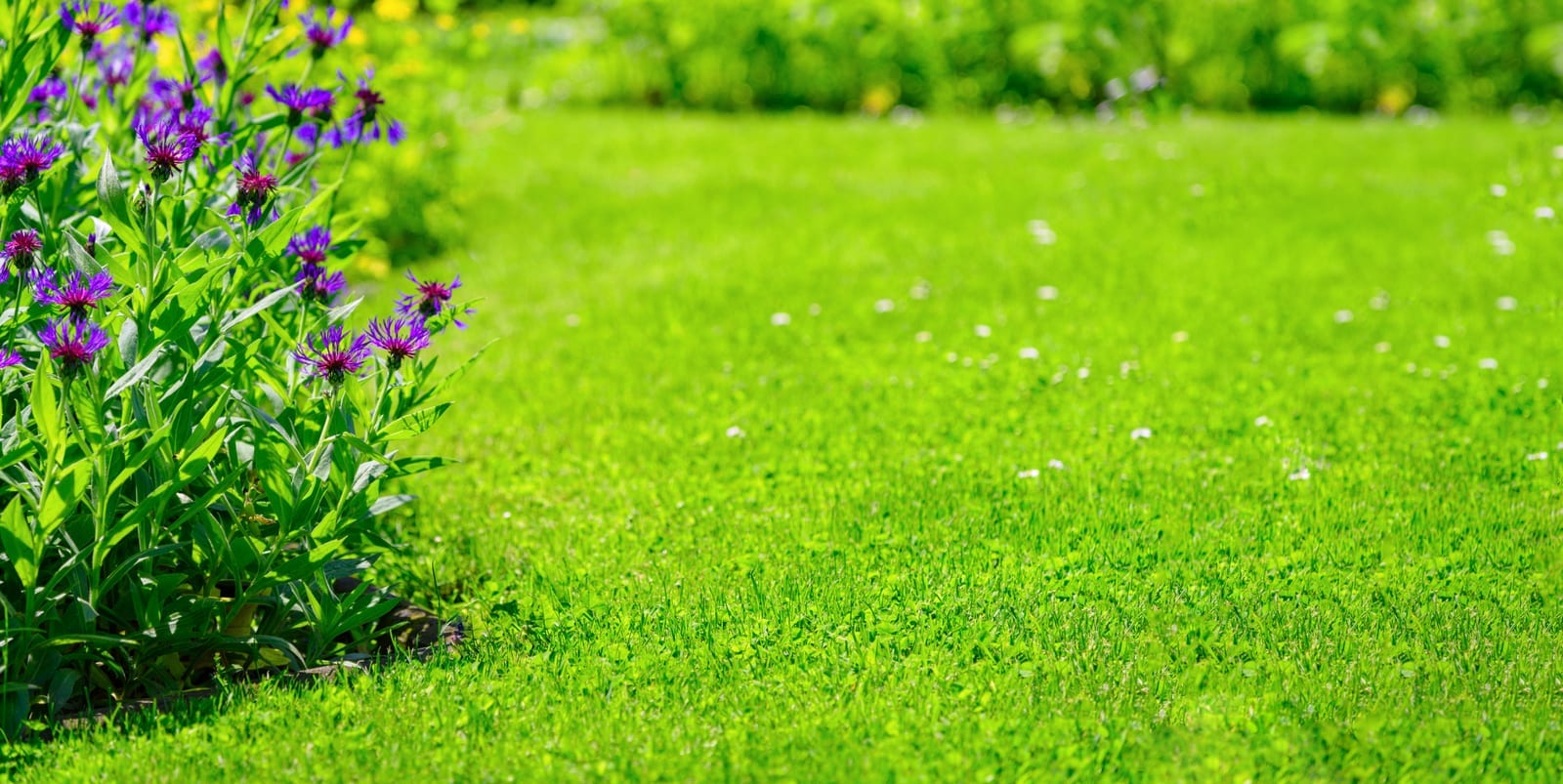
📌 Key Takeaway: Biodiversity makes lawn ecosystems healthier, more resilient, and easier to manage over time. A lawn that supports varied plant life, insects, birds, and soil organisms can handle stress better, reduce pest pressure, and improve soil function. For lawn care companies, that means stronger landscapes and a better story to tell customers.
Biodiversity is not a decorative extra. It is the foundation that keeps a lawn ecosystem functioning well. A lawn with only one or two turf types is more fragile than one with a mix of grasses, flowering plants, soil organisms, and beneficial insects. The difference shows up in soil health, pest pressure, water retention, and how quickly the landscape recovers after stress.
That matters to homeowners, but it also matters to lawn care professionals. A biodiverse lawn is often more stable and less dependent on constant intervention. When operators understand how these systems work, they can build care plans that support healthier turf instead of fighting nature at every step.
Why biodiversity matters in lawn ecosystems
Biodiversity means variety: different species, genetic differences within those species, and the relationships between living things in the same habitat. In a lawn ecosystem, that variety creates balance. Soil organisms break down organic matter. Insects pollinate flowering plants and help control pests. Birds and small animals use the lawn and nearby plantings as food sources and shelter.
A lawn is often treated as a simple green surface, but it behaves more like a living system. When the system contains more than a single turf species and a single maintenance approach, it becomes more resilient. That resilience shows up in practical ways: better nutrient cycling, stronger root development, and fewer ecosystem imbalances that lead to pest outbreaks.
The benefit is not only ecological. Biodiverse lawns look more natural and varied, which many property owners now value. They also create a healthier outdoor environment that people actually want to spend time in.
Climate data can also shape how operators think about this balance. NOAA’s statewide cooling-degree-days record for Oregon shows 0 CDD for May 2025, a reminder that seasonal demand can vary sharply by region and month. That kind of variability reinforces why lawn systems need depth, not just a uniform surface. NOAA climate data for May 2025 makes that clear.
The ecological benefits are immediate and practical
The first advantage of biodiversity is better soil function. Different plants support different root structures, and those roots shape the soil in different ways. Some roots open channels that improve aeration and drainage. Others help hold soil in place. As plant matter breaks down, it feeds soil organisms that keep nutrients moving through the system.
This is why a lawn with varied plant life often holds up better than a uniform stand of turf. It has more than one way to respond to stress. If one species struggles in a hot stretch or a wet period, another may continue supporting the soil and surrounding habitat.
A real-world example makes this easy to see. A homeowner who replaces a bare, overused side yard with native grasses and a few flowering patches often notices less erosion, fewer dead spots, and more visible insect activity within a season. The change is not magic. The deeper roots and wider plant mix simply do more work below the surface than a thin, single-species lawn can.
Diversity also helps with pest control. Beneficial insects feed on harmful pests, which reduces the need for aggressive chemical treatment. That natural balance is one of the clearest reasons to protect biodiversity in managed lawns. The more balanced the habitat, the less likely one pest problem is to dominate.
Birds and small wildlife benefit as well. A lawn with nearby shrubs, native flowers, and varied ground cover gives them food and shelter. That broader food web strengthens the entire landscape.
The same idea applies when weather patterns push lawns harder than normal. A landscape that has more plant diversity and stronger soil life is better equipped to recover after a rough stretch. Operators who plan for that resilience usually spend less time correcting problems later.
A practical detail matters here: not every flowering plant belongs in every yard. LawnLove’s August 16, 2026 guide on flowers that don’t attract bees is a useful reminder that biodiversity can be designed around the property’s use, not against it. Some landscapes need more pollinator activity, while others need lower-buzz plantings near patios, play areas, or entryways.
Better lawn care starts with fewer harmful inputs
Promoting biodiversity does not require abandoning lawn care standards. It requires smarter care. Heavy fertilizer use, routine pesticide application, and overly aggressive mowing can weaken the very organisms that help a lawn stay healthy. When those practices are reduced or refined, the ecosystem becomes more self-supporting.
Organic and lower-impact practices work because they protect the organisms that do invisible but essential work in the soil. Microbes, worms, and beneficial insects all respond to how the lawn is managed. If the soil is repeatedly stressed, the ecosystem loses much of its ability to recover on its own.
This is where lawn care professionals can stand out. A company that explains why it is adjusting fertilizer timing, reducing unnecessary treatments, or encouraging better plant variety is not lowering its standards. It is using a more informed standard. Customers increasingly respond to care that protects the property while respecting the ecosystem underneath it.
That message is easier to deliver when the business itself is organized. Lawn companies that keep visit notes, customer records, and follow-up clean can explain care decisions with confidence instead of improvising on the fly. When the field work and the communication line up, biodiversity becomes part of a clear maintenance plan rather than a vague environmental idea.
Native plants make lawns more resilient
One of the simplest ways to improve biodiversity is to include native grasses and flowering plants in the landscape. Native plants are adapted to local conditions, which means they usually fit the climate, rainfall, and soil patterns better than plants chosen only for appearance.
That adaptation matters because it can reduce stress on the entire property. Native plants often need less water and less maintenance once established. They also tend to support local insects and birds more effectively than non-native ornamentals. In other words, the same plant choices that lower maintenance can also strengthen the ecosystem.
This does not mean every lawn has to turn into a meadow. Small changes matter. A few native patches, a border of flowering plants, or a mixed planting bed along the property edge can create habitat without changing the whole landscape. Those additions also make the property more visually interesting, which helps homeowners see biodiversity as an asset rather than a compromise.
The practical payoff is clear: when a lawn has more than one layer of plant life, it does more than look finished. It begins to function as a stronger system with less constant intervention.
Urban lawns can do real conservation work
Cities often fragment natural habitat, leaving wildlife with fewer places to feed and nest. In that environment, lawns and small green spaces take on a bigger role than many people realize. Even modest properties can function as stepping stones that help species move through an urban area.
That is why urban biodiversity efforts matter. When residents plant native species, reduce oversized turf areas, or replace low-value space with diverse plantings, they create pockets of habitat that support local ecosystems. A neighborhood full of small green choices can have a measurable effect over time.
Community action also builds awareness. A single homeowner may want a cleaner yard. A neighborhood association may want consistency. But when a city or community group shows that biodiversity can coexist with attractive landscaping, more property owners are willing to participate. That helps lawns become part of the solution rather than part of the problem.
The same principle holds for route-based lawn companies serving dense neighborhoods. A few well-managed properties can influence expectations across a whole area. Once customers see that diverse, healthy landscapes can still look sharp, they are more open to the maintenance choices that support them.
Biodiversity has economic value too
Healthy, diverse lawns can cost less to maintain because they are often less dependent on constant inputs. A landscape that retains moisture better, holds soil more effectively, and supports natural pest control can reduce pressure on water use, fertilizer use, and reactive treatments.
That creates value for both homeowners and lawn care businesses. For homeowners, lower input needs can mean more predictable care. For operators, biodiversity can support a more durable service model built around education, seasonal care, and long-term property health instead of emergency fixes.
It also improves the way a business is perceived. Customers notice when a company explains why it is using a different approach and can show that the property looks good because of it. That is a strong position in a market where people increasingly want environmentally responsible service.
Lawn care companies that manage this work well need more than good field operations. They need clean scheduling, customer communication, and reliable billing. Tools such as lawn billing software help keep the business side organized while the crew focuses on the landscape itself.
Community programs show what works
Cities and neighborhoods have already shown that biodiversity projects can improve urban green space. Portland, Oregon, has used “Green Streets” to combine stormwater management with native vegetation and urban habitat. That approach does more than look good. It helps the landscape work harder in a dense environment.
San Francisco’s “Bee Friendly Initiative” is another strong example. By encouraging residents to plant flowers that support pollinators, the city connects individual yard choices to a larger ecological goal. That kind of program works because it is simple enough for homeowners to understand and practical enough to repeat.
These efforts prove an important point: biodiversity does not require a perfect landscape. It requires intentional choices. A few well-placed plantings and a willingness to manage turf differently can create real benefits for wildlife and for the people living around it.
Best practices for building biodiversity into lawn care
The most effective biodiversity practices are straightforward. They do not rely on gimmicks, and they do not require a landscape to be redesigned overnight. The goal is to make the lawn more functional and less fragile.
- Choose native plant species that fit local conditions.
- Reduce synthetic fertilizer and pesticide use where possible.
- Mix grasses, flowers, and shrubs to create layered habitat.
- Support beneficial insects with native plant patches and shelter.
- Review lawn health regularly and adjust care as conditions change.
These practices work because they support the entire system instead of focusing only on the visible top layer. A lawn care professional who understands that can guide customers toward choices that protect both appearance and long-term health.
That guidance also builds trust. Clients do not need a lecture. They need a clear explanation of why a different approach will improve the property. When the reasoning is simple and the results are visible, biodiversity becomes an easy recommendation.
The future of lawn biodiversity depends on better management
The future of biodiverse lawns will be shaped by education, better tools, and more informed care. As more property owners understand the value of mixed plantings and lower-impact maintenance, the market will continue to shift toward landscapes that work with natural systems instead of flattening them.
Technology will support that shift. Lawn service businesses that use lawn service software can keep routes, customer records, and service communication organized while delivering more thoughtful care in the field. That matters because sustainability is easier to maintain when the business behind it runs efficiently.
The broader point is simple. Biodiversity makes lawns stronger, not weaker. It improves ecological balance, supports wildlife, and can reduce the need for constant correction. For homeowners, that means better properties. For lawn care companies, it means a smarter, more durable way to serve customers and grow.
Closing thoughts
Biodiversity is one of the most important drivers of healthy lawn ecosystems. It supports soil function, natural pest control, water retention, and long-term resilience. It also helps create landscapes that look better, work better, and require less reactive intervention.
For lawn care professionals, the opportunity is clear. Educate customers, protect beneficial organisms, and make biodiversity part of the maintenance plan. The result is a healthier property and a stronger business relationship.
To explore efficient solutions for your lawn care business, consider utilizing lawn service app to simplify your billing and client management processes.
Frequently Asked Questions
Why does a biodiverse lawn stay healthier than a uniform turf lawn? A biodiverse lawn has more kinds of grasses, plants, insects, and soil organisms working together, so it is less fragile than a lawn built around one or two turf types. That variety improves nutrient cycling, root development, and the lawn’s ability to recover from stress. It also helps reduce ecosystem imbalances that can lead to pest outbreaks.
How does biodiversity improve soil health in a lawn ecosystem? Different plants support different root structures, and those roots change the soil in useful ways. Some roots improve aeration and drainage by opening channels, while others help hold soil in place. As plant material breaks down, it feeds soil organisms that keep nutrients moving through the system.
What role do beneficial insects and other animals play in a biodiverse lawn? Beneficial insects can help pollinate flowering plants and contribute to pest control. Birds and small animals also use the lawn and nearby plantings for food and shelter, which adds another layer of ecological balance. These relationships make the lawn function more like a living system than a simple green surface.
Why should lawn care professionals care about biodiversity in their maintenance plans? A biodiverse lawn is often more stable and less dependent on constant intervention, which can make care plans more effective. When you support the living system instead of working against it, you can build healthier turf with fewer problems from stress and pests. It also gives property owners a more natural-looking landscape that many of them value.