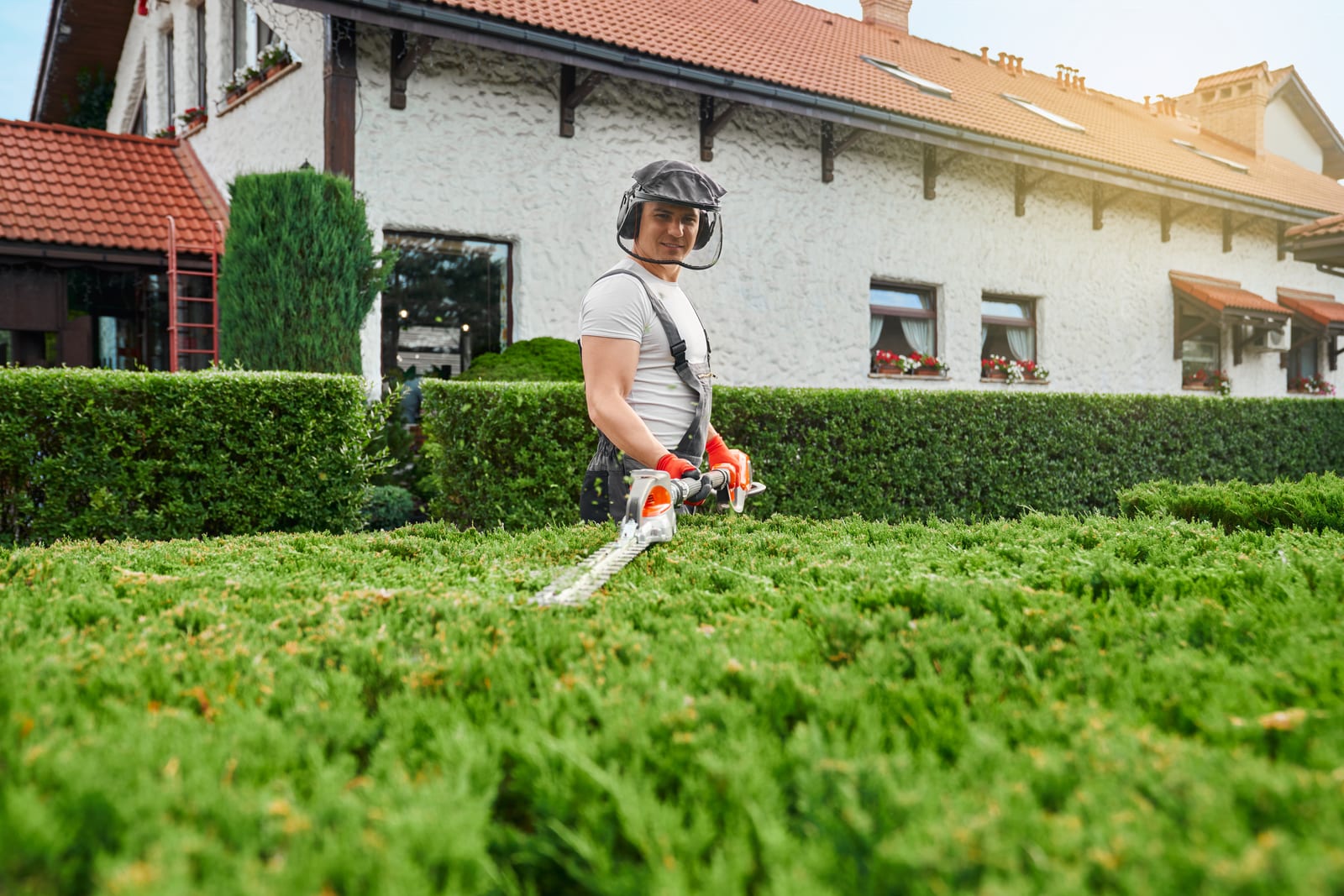
📌 Key Takeaway: Zero-emission lawn care equipment is moving from niche to practical. Battery-powered tools cut exhaust and noise, and the latest improvements in runtime, charging, and control software make them easier to run in real routes and real neighborhoods.
The Future of Zero-Emission Lawn Care Equipment
Zero-emission lawn care equipment is changing how lawn service companies think about daily work. The shift is not about image alone. It is about cleaner operation, quieter routes, and tools that fit the way crews actually work. For homeowners, that means less noise and fewer fumes. For lawn care businesses, it means a better fit for neighborhoods, tighter scheduling, and a more polished service experience.
The pressure behind this shift is straightforward. Gas-powered mowers, trimmers, and other handheld tools create exhaust and noise every time they run. Battery-powered equipment removes emissions at the point of use and reduces the disruption that often comes with early-morning service. That matters in dense neighborhoods where crews need to work efficiently without disturbing residents. It also matters for businesses that want to present a cleaner, more modern operation.
Fuel costs add another layer to the decision. The U.S. average retail diesel price was $4.67 per gallon for the week of June 29, 2026, according to the EIA weekly retail diesel data. By the week of July 20, 2026, that figure had climbed to $5.13 per gallon, according to the same EIA weekly retail diesel data. On August 10, 2026, it reached $5.26 per gallon. By the week of August 31, 2026, it was $5.60 per gallon, according to the EIA weekly retail diesel data. For operators running multiple gas-powered machines every day, that kind of input cost makes efficiency and route discipline even more important.
The transition is still underway, but the direction is clear. Battery systems are improving, charging is getting faster, and manufacturers are designing equipment for professional use rather than occasional residential tasks. The result is not a novelty. It is a real operational change that lawn service companies can plan around.
The Evolution of Lawn Care Equipment
Lawn care has relied on gas-powered equipment for decades because it delivered the runtime and power crews needed. Early electric alternatives existed, but they were usually limited by weaker performance and short battery life. That made them hard to trust for commercial routes. As battery technology improved, the gap narrowed. Today’s electric mowers and trimmers can handle far more demanding work than older models ever could.
That progress changed the conversation. Crews no longer have to choose between cleaner equipment and practical field performance. Brushless motors, better battery packs, and smarter power management have pushed electric tools into serious daily use. The change is especially visible in the way operators think about maintenance. Fewer moving parts means fewer service headaches, and that can help simplify the shop side of the business.
One practical example shows why this matters. A crew servicing a tight residential route with early-start restrictions can make better use of zero-emission tools because quiet equipment lets them work without creating the same level of neighborhood pushback. That reduces friction, keeps the schedule moving, and makes it easier to complete more stops in a day without complaints. The benefit is not abstract. It shows up in route flow and customer satisfaction.
As diesel prices move around, that operational advantage becomes easier to see. The jump to $5.60 per gallon in the week of August 31, 2026, according to the EIA weekly retail diesel data, is another reminder that route efficiency matters. A cleaner route with fewer interruptions gives owners more control over the day, especially when fuel expense and service density are both under pressure. The equipment change supports the route, not just the brand image.
Environmental Benefits of Zero-Emission Equipment
The strongest case for zero-emission equipment is the direct reduction of exhaust at the jobsite. Battery-powered tools do not produce tailpipe emissions while they run, which helps lower local air pollution. That matters most in places where crews work close to homes, sidewalks, and other occupied spaces. Cleaner air on the ground level is a real advantage for neighborhoods that see regular lawn service traffic.
Noise reduction is another major benefit. Gas equipment is loud enough to shape when and where crews can work. Quieter electric tools create more flexibility. They make it easier to start earlier, work later, and move through residential routes with less disruption. That flexibility helps businesses serve more customers without creating the same level of noise complaints.
These benefits also support a better public image. Property owners notice when a crew works cleanly and quietly. That can influence repeat business, referrals, and overall trust. In lawn service, where recurring work depends on consistency, that kind of operational impression matters just as much as raw cutting power.
Cleaner equipment can also help crews work more predictably when the route is packed. Less noise and fewer emissions make it easier to keep moving through neighborhoods without constant stoppages or awkward customer interactions. That is a practical gain, not just an environmental one.
Innovations in Zero-Emission Technology
The biggest changes in zero-emission equipment are happening inside the tools themselves. Battery capacity is improving, runtime is stretching, and charging systems are becoming more practical for professional crews. Swappable batteries reduce downtime, which is important on long routes where one tool may need to stay in service all day.
Smart technology is also becoming part of the equipment ecosystem. Some newer models can track battery status, help crews monitor usage, and connect to mobile tools that support scheduling and field management. That may sound secondary, but it improves accountability. When equipment data is easier to see, managers can make better decisions about assignment, charging, and replacement planning.
Solar-powered tools remain less common, but they point toward where the market is headed. The idea is simple: reduce dependence on fuel and make power sourcing cleaner over time. For most lawn service companies today, battery systems are the more practical step. The underlying trend is the same either way. Equipment is becoming cleaner, quieter, and more connected to how modern crews operate.
That same shift also changes what owners expect from the back office. If your route is already relying on battery schedules, charge planning, and field status updates, the business needs software that keeps those moving parts organized. The technology story is no longer just about tools. It is about how the tools fit the whole operation.
Practical Tips for Transitioning to Zero-Emission Equipment
A smart transition starts with the tools you use most often. Mowers, trimmers, and blowers usually deserve the first review because they affect route speed and customer-facing results. Replace the equipment that creates the most friction first, then build out from there. That approach keeps the change manageable and avoids overcommitting before crews are ready.
Operations software should be part of the plan as well. A move to new equipment works best when the business behind it stays organized. Software like EZ Lawn Biller helps manage billing, routing, treatment tracking, visit reports, the mobile app, reports, payroll, QuickBooks integration, and the customer portal in one system. When the office side stays tight, it becomes easier to roll out new equipment without losing control of service records or customer communication.
Training matters just as much as the purchase itself. Crews need to know how to charge, store, and maintain battery-powered tools correctly. They also need to understand how the new equipment fits the route. If a team knows when to swap batteries, how to spot performance issues, and how to protect equipment from unnecessary wear, the transition goes far more smoothly. Maintenance discipline protects the investment and keeps the route moving.
That discipline matters even more when fuel prices are high. The latest diesel data from August 31, 2026 is another reminder that operators cannot afford wasted trips, poor route density, or avoidable downtime. Cleaner equipment works best when the rest of the business is organized enough to support it.
Addressing Challenges and Concerns
The most common concern is upfront cost. Zero-emission equipment can cost more at the start than gas-powered alternatives. That makes some operators hesitate, especially if they are replacing multiple tools at once. The right way to think about that cost is as part of a longer operating cycle. Fuel purchases, maintenance, and downtime all affect the real cost of ownership. Once those factors are included, the comparison changes.
Weather is another real issue. Cold conditions can affect battery performance, so businesses in harsher climates need to plan around that limitation. That does not make the equipment unusable. It means the operation has to match tools to conditions and keep backup batteries ready when needed. Manufacturers continue to improve low-temperature performance, which makes these tools more dependable year-round.
The best response is to stay informed and compare equipment based on route needs, not marketing claims. Talk to other operators, watch how the equipment performs in the field, and test the tools in the conditions you actually face. That is how you avoid buying something that looks good on paper but falls short in daily use.
It also helps to compare cost against the kind of service you want to run. If the goal is a quieter, cleaner, more efficient route, the equipment has to support that outcome every day. The right setup reduces friction for crews and customers alike.
Maximizing the Impact of Zero-Emission Equipment in Your Business
Zero-emission equipment can do more than improve the work itself. It can strengthen how your business is perceived. Customers notice when a crew arrives with cleaner, quieter tools and runs an organized route. That can become part of your brand, especially if you serve neighborhoods where sustainability and curb appeal matter.
Marketing should reflect that reality. If your business uses zero-emission tools, say so clearly. Put it in your service descriptions, social posts, and customer conversations. The point is not to make a vague environmental claim. The point is to show that your company runs a better-controlled, more modern operation. Homeowners value that because it signals professionalism.
You can also make sustainability part of the customer experience. That might mean aligning certain services with quieter equipment or emphasizing low-disruption scheduling for neighborhoods where noise is a concern. These choices help differentiate your business without changing the core of what you sell. Good lawn service still comes down to reliability, consistency, and clear communication. Zero-emission tools support those goals when they are tied to a disciplined operation.
The strongest businesses will treat the equipment change as part of a larger system. When the route is efficient, the crew is trained, and the office is organized, the equipment does more than reduce emissions. It helps the company feel dependable in every interaction.
The Road Ahead: The Future of Lawn Care
The future of lawn care is moving toward cleaner equipment and better operational control. Battery-powered tools are becoming more capable, and the businesses that adopt them early will be better positioned to serve modern neighborhoods. This is not only about lowering emissions. It is about building a more efficient service model that fits the realities of recurring lawn care.
That matters because lawn service rewards consistency. Companies that can complete routes quietly, keep crews productive, and reduce maintenance surprises have an advantage. Zero-emission equipment fits that model well. It supports a cleaner customer experience and a more predictable day in the field.
As the technology continues to improve, the companies that benefit most will be the ones that combine good equipment with good systems. A strong route, clear statements, and well-managed field operations create the foundation. Zero-emission tools then become part of a larger advantage rather than a stand-alone purchase.
Conclusion
Zero-emission lawn care equipment is becoming a practical standard, not a future idea. The equipment is quieter, cleaner, and increasingly capable of handling real commercial work. The environmental benefits are clear, but the business case is just as important: better route control, fewer complaints, and a more polished service presence.
For lawn care companies, the best path forward is to adopt new tools in a planned way. Start with the equipment that matters most, train crews well, and keep the business side organized so the transition stays profitable. Companies that make those moves now will be better prepared for a market that increasingly expects cleaner, quieter, and more efficient service.
Frequently Asked Questions
Why would a lawn care business switch from gas-powered equipment to zero-emission tools? A switch makes sense when you want cleaner operation, less noise, and a better fit for neighborhoods. Battery-powered equipment removes emissions at the point of use, which helps reduce exhaust and the disruption that often comes with early-morning service. It also supports a more polished, modern service experience for customers.
Can zero-emission lawn care equipment handle commercial route work, or is it still mainly for residential jobs? It can handle much more demanding commercial work than earlier electric tools could. Improvements in battery technology, brushless motors, better battery packs, and smarter power management have made today’s electric mowers and trimmers far more practical for daily use. The equipment is increasingly being designed for professional crews rather than occasional use.
What operational benefits do crews get from using battery-powered lawn equipment? You get quieter routes, fewer fumes, and less maintenance complexity. With fewer moving parts than gas-powered equipment, there are fewer service headaches and less shop-side upkeep to manage. That can help crews work more efficiently while keeping the business easier to run.
What should a lawn care company expect during the transition to zero-emission equipment? You should expect the transition to be gradual, not instant, but the direction is clear. Battery systems are improving and charging is getting faster, so planning around them is becoming more realistic for daily operations. The biggest change is that cleaner equipment is now a practical operational choice, not just a novelty.