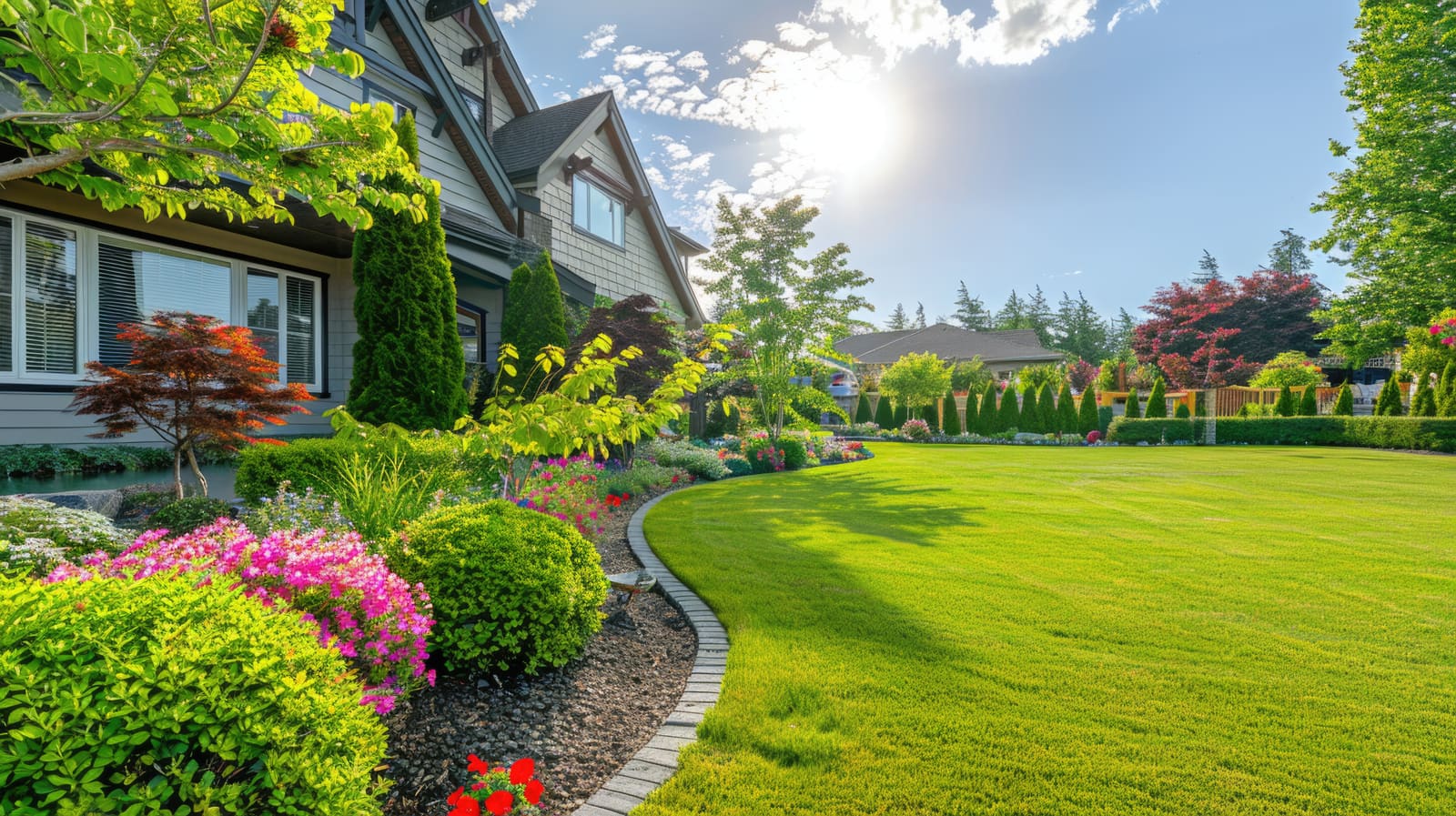
The Economic Advantages of Going Green in Lawn Care
📌 Key Takeaway: Green lawn care can lower input costs, reduce water waste, strengthen property appeal, and build customer loyalty. The biggest gains come when sustainable practices are paired with efficient operations and clear communication.
Going green in lawn care is a practical business decision, not just a feel-good one. The same choices that reduce environmental impact can also cut recurring expenses, improve the look of a property, and make a company easier to trust. That matters for homeowners who want healthier yards and for lawn care businesses that need predictable margins and repeat work.
The economic case starts with the basics: fewer wasted inputs, better soil health, and more efficient scheduling. Those gains compound over time. A lawn that holds moisture better needs less intervention. A company that tracks routes, statements, and service history spends less time fixing mistakes and more time serving accounts. That is where sustainability and profitability meet.
Technology strengthens that advantage. Complete lawn service management software like EZ Lawn Biller helps companies stay organized while they scale greener practices across more properties. When billing, routing, treatment tracking, visit reports, mobile work, reports, payroll, QuickBooks integration, and the customer portal all work together, the business wastes less time and makes fewer errors. That efficiency supports the same goal as eco-friendly lawn care: doing more with less.
Green strategies also create room for lighter, lower-input landscape designs when customers want them. Lawn Love’s chaos gardening guide from August 24, 2026 shows how some homeowners are looking for less rigid, lower-maintenance approaches that can save money on lawn care. For a service business, that is useful context: the market is rewarding practical solutions that reduce upkeep without abandoning curb appeal.
Savings on Chemical Inputs
One of the clearest financial benefits of green lawn care is reduced spending on synthetic treatments. Traditional programs can lean heavily on fertilizers and pesticides, and those purchases add up quickly. Organic alternatives such as compost and natural pest deterrents often cost less over time because they improve the soil instead of forcing short-term results.
Healthy soil changes the math. Compost can improve structure and water retention, which means grass handles stress better and needs fewer corrective treatments later. Natural pest management can also lower the risk of damage that comes from overapplying harsher products. In other words, the goal is not simply to swap one product for another. It is to build a lawn that needs less rescue work.
There is also a customer-retention angle here. Homeowners who want a greener program often value transparency and consistency more than flashy promises. When a lawn care company can explain why a soil-first approach saves money over time, it builds trust. That trust is worth as much as the savings on product.
Water Conservation and Cost Reduction
Water is one of the largest controllable expenses in lawn care, which makes conservation a direct financial lever. Wasteful irrigation drives up utility bills and can create avoidable stress on turf. Greener practices focus on delivering the right amount of water at the right time, not simply running systems longer.
Smarter watering can come from drip irrigation, improved scheduling, and weather-based controls. Those tools reduce runoff and overwatering while helping lawns stay healthier through changing conditions. When irrigation is adjusted to actual need, a property uses less water without sacrificing appearance.
Lawn Love’s chaos gardening guide reinforces that point from a homeowner’s side. Published on August 24, 2026, it reflects the appeal of lower-maintenance landscapes that do not demand the same level of constant watering and upkeep as a traditional high-input yard. That matters to lawn care businesses because the conversation is shifting toward practical designs that save money as well as labor.
The practical benefit is even stronger in places with water restrictions. Companies that understand local rules and manage irrigation carefully avoid unnecessary risk. They also position themselves as the kind of partner homeowners can rely on when conditions tighten. That combination of compliance and efficiency makes green practices a business advantage, not just a sustainability talking point.
A good real-world example is a neighborhood account that looked expensive to maintain because the irrigation system ran too often and the lawn kept showing stress. After the company adjusted the watering schedule and shifted to a more efficient approach, the property became easier to manage and required fewer corrective visits. The homeowner saw a healthier yard and a lower utility burden, while the company spent less time chasing the same recurring problem. That is what green lawn care looks like when it is done well: fewer wasted inputs, fewer repeat issues, and better margins.
Enhancing Property Value
Green lawn care can also improve property value by making a home more attractive and easier to maintain. Buyers notice curb appeal, but they also notice whether a landscape looks expensive to keep up. A lawn that is healthy, efficient, and thoughtfully designed signals that the property has been cared for in a way that will not create constant upkeep headaches.
Native plants, xeriscaping, and organic lawn care appeal to buyers who want beauty without a long list of future costs. These landscapes often fit local conditions better, which means less watering, fewer treatment problems, and lower maintenance demands. That combination can make a property stand out in a crowded market.
For lawn care businesses, this creates a strong sales message. You are not just selling a greener service. You are helping customers protect a major asset. When homeowners understand that sustainable landscaping can support long-term property value, they are more willing to invest in higher-quality care.
That same logic helps explain why some homeowners are experimenting with lower-input lawn styles that trade uniformity for reduced upkeep. The economics are simple: fewer intensive treatments and less weekly maintenance can mean a property that still looks intentional without demanding as much labor or product.
Community Engagement and Brand Loyalty
Green practices also create a reputation advantage. Customers notice when a lawn care company acts like a responsible local business instead of a disposable vendor. That matters because lawn care is personal. It touches the front yard, the neighborhood look, and the homeowner’s daily view of the property.
Community-facing efforts make that value visible. Workshops on organic gardening, tree planting events, and local cleanup days show that the company is invested in more than a single service call. Those efforts strengthen relationships and create a sense of shared purpose. They also keep the brand top of mind when residents need ongoing service.
Incentives and grants can help offset some of the cost of shifting to greener methods, which makes adoption easier for companies that want to move faster. Even without formal incentives, the loyalty effect is real. Customers who believe a company shares their values are more likely to stay, refer neighbors, and give that company the benefit of the doubt when choices need to be made.
Technology Makes Green Practices Easier to Profit From
Green lawn care works best when the operation behind it is organized. That is where software matters. Lawn billing software and broader management tools help companies keep routes tight, service records accurate, and statements consistent. EZ Lawn Biller does that as complete lawn service management software, with billing, routing, treatment tracking, visit reports, mobile app access, reports, payroll, QuickBooks integration, and a customer portal in one system.
That matters because sustainable practices depend on follow-through. If a company wants to track treatment history, schedule work efficiently, and keep homeowners informed, it needs a system that reduces administrative drag. Automated statements and organized records help the office stay ahead of the work instead of constantly catching up. The crew spends less time waiting on paperwork, and the customer gets a cleaner experience.
Technology also helps with professionalism. When a company can show clear visit reports, maintain accurate histories, and keep payment processing orderly, it builds confidence. Customers see a business that knows what it is doing. That confidence supports retention, which is one of the most valuable economic benefits any lawn care business can earn.
Best Practices for Going Green in Lawn Care
The best green programs are built on practical habits, not broad slogans. Soil testing is a strong starting point because it tells you what the lawn actually needs. Instead of guessing, you can make targeted adjustments that avoid wasted product and improve results.
Mulching is another simple step with a strong return. It helps suppress weeds, retains moisture, and supports soil health. That reduces the need for frequent treatments and can lower watering demands as well. Native plants serve a similar purpose by fitting the local environment better and needing less intervention over time.
Regular maintenance still matters. A greener program does not mean a hands-off program. Proper mowing, aeration, and fertilization all help the lawn recover faster and use resources more efficiently. Education is part of the service here. When customers understand why the schedule matters, they are more likely to support the plan instead of working against it.
Clear service records help too. A company that tracks treatment history and visit details can make smarter decisions from one stop to the next. That reduces waste, avoids duplication, and keeps the whole program aligned with the customer’s long-term goals.
Green Is Good Business When the Operation Is Tight
The economics of going green come down to efficiency. Lower chemical use, better water management, stronger property appeal, and deeper customer loyalty all support healthier margins. None of those benefits happen by accident. They come from consistent service, clear communication, and a business model that rewards good planning.
Lawn care remains a steady, recurring-revenue business when the company behind it is disciplined. Green practices fit that model well because they reduce waste and build trust at the same time. Pair those practices with software that keeps the operation organized, and the financial case becomes even stronger. A greener lawn care business is not only better for the landscape. It is better for the bottom line.
Frequently Asked Questions
How does going green in lawn care actually reduce operating costs for a business? Going green lowers recurring expenses by reducing wasted inputs and preventing problems that lead to extra work. Healthier soil holds moisture better, so lawns need less intervention and fewer corrective treatments. For a lawn care company, that also means less time spent fixing mistakes and more time serving accounts efficiently.
Why can organic and natural lawn treatments be more economical than synthetic programs? Organic options like compost and natural pest deterrents can cost less over time because they improve the soil instead of creating only short-term results. Compost helps with soil structure and water retention, which reduces the need for future rescue treatments. Natural pest management can also help avoid damage caused by overapplying harsher products.
What business tools help lawn care companies scale greener practices without losing efficiency? Complete lawn service management software helps keep billing, routing, treatment tracking, visit reports, mobile work, reports, payroll, QuickBooks integration, and the customer portal organized in one system. That reduces time wasted on manual work and cuts down on errors as the business grows. The result is a more efficient operation that supports sustainable service delivery.
How does eco-friendly lawn care help with customer retention and trust? Customers who want greener lawn care often value transparency and a clear service history. When your business can track treatments, visits, and billing cleanly, it becomes easier to earn trust and keep accounts. That reliability supports repeat work and makes your company easier to recommend.
Related Articles
- How to Become a Certified Green Lawn Care Provider
- How to Educate Clients About Green Lawn Practices
- How to Handle Client Disputes Without Going to Court
- How to Handle Economic Downturns in Lawn Care
Further reading
For broader context on small-service-business operating conditions, the SBA 7(a) loan program (current monthly cycle, September 2026) continues to support acquisitions, expansions, and equipment investment for service businesses including pool routes and lawn-care operations.