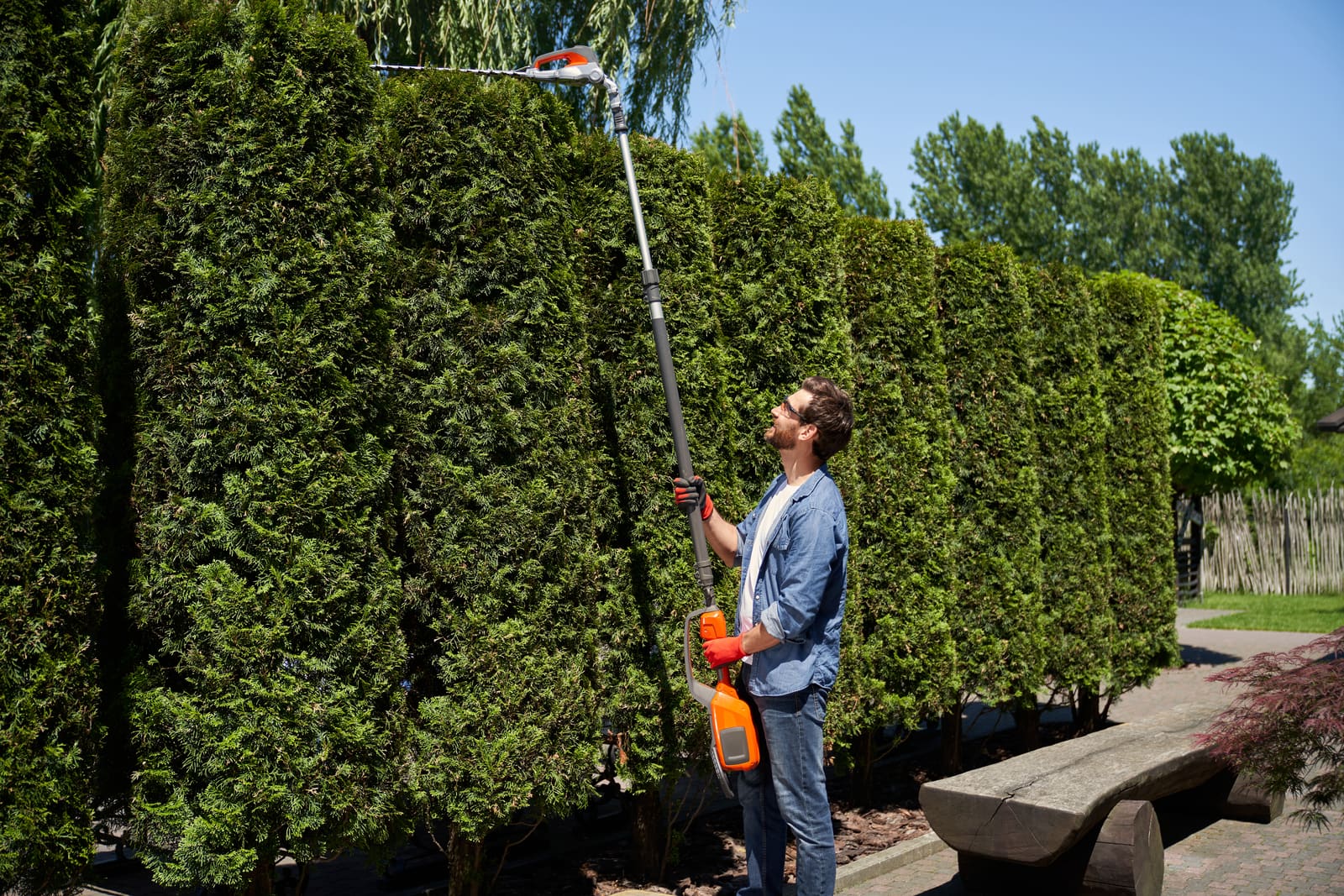
📌 Key Takeaway: Legal and risk management protect a lawn care business from avoidable loss. Clear contracts, the right licenses, safety training, environmental compliance, and reliable statement billing all reduce disputes and keep operations moving.
Lawn care companies deal with more than mowers, routes, and customer calls. Every job carries legal and operational exposure, and the businesses that stay ahead of it are the ones that treat compliance and risk control as part of daily operations, not as cleanup work after a problem. That means knowing where liability starts, what permits you need, how to train crews, and how to keep records that hold up when a question comes back later.
This guide breaks those pieces down in practical terms. It covers the legal basics that protect your company, the safety habits that protect your crew, and the systems that protect your cash flow and customer relationships. It also shows why complete lawn service management software matters here: when billing, routing, visit reports, and customer records live in one place, it becomes easier to prove what was done, when it was done, and what the customer agreed to.
Liability Starts With Clear Boundaries
Liability is one of the first risks a lawn care company has to control. If a crew damages property, injures a third party, or creates a dispute over the scope of work, the business may be the one left explaining what happened. The financial impact can be serious, but the bigger problem is often the chain reaction: missed payments, broken trust, and time spent dealing with claims instead of serving routes.
Insurance is the first layer of protection, but it is not the only one. A strong contract matters just as much because it defines the work, the limits of responsibility, and the expectations on both sides. When a customer knows what is included and what is not, there is less room for conflict later. That clarity also helps your crew, because they can work from a defined scope instead of guessing how far to go.
A real-world example makes that obvious. Imagine a crew trims along a driveway edge, and a hidden sprinkler head is damaged during the job. If the company has no written scope, the customer may say the damage should never have happened. If the contract and visit report show the area was identified, the work was approved, and the service notes were updated, the business has a far stronger position when the issue is reviewed. Good documentation does not eliminate risk, but it makes the business much easier to defend.
That is why liability control starts long before a dispute. It begins with clear terms, reliable records, and insurance that matches the work being performed.
Licenses and Permits Keep the Business Open
Licensing and permit compliance is not optional, and it is easy to overlook when the schedule is full. Different states and local governments handle lawn care requirements differently, especially when pesticides, fertilizers, equipment use, or noise rules are involved. A company that operates across multiple areas has to stay alert to local requirements instead of assuming one rule applies everywhere.
The practical move is to build compliance into the business setup from the start. Research the licenses your services require, track expiration dates, and make sure anyone performing regulated work is qualified to do it. If your business expands into new service lines or new municipalities, review the rules again before the route opens. Waiting until after a complaint or inspection creates unnecessary risk.
This is where organized recordkeeping pays off. A simple tracking system can show what licenses you hold, where they apply, and when they need renewal. Many operators use software to store customer and company records in one place so nothing gets lost in a spreadsheet drawer or a forgotten email thread. The point is not the tool itself. The point is reducing the chance that a paperwork issue interrupts a busy season.
Compliance is much easier to manage when it is part of the weekly routine. If licenses, permits, and service records are reviewed on schedule, the business stays ready to operate instead of scrambling to catch up.
Crew Safety Protects People and Profit
Employee safety is one of the most important parts of risk management because injuries affect everything at once. They hurt workers, disrupt routes, increase liability exposure, and slow down production. Lawn care depends on physical work, so safety cannot be a side topic. It has to be built into training, supervision, and daily expectations.
That starts with proper onboarding. Crews need to understand equipment handling, safe loading and unloading, hazard recognition, and emergency procedures. They also need refresher training, because a good first week does not guarantee good habits six months later. Safety only sticks when it is repeated and reinforced in real working conditions.
A culture of safety matters just as much as the rules themselves. Employees should feel comfortable reporting damaged equipment, unsafe terrain, or a process that is not working. When crews stay silent to avoid slowing the day down, small problems turn into injuries or claims. Regular inspections help catch those issues early, especially on vehicles and tools that see constant use.
Safety training is not just about avoiding fines or claim costs. It helps keep good workers on the job and keeps routes running without avoidable interruptions. In a business built on recurring service, consistency matters, and safe crews are part of that consistency.
Environmental Compliance Requires Discipline
Environmental rules affect lawn care in a direct way because treatments, fertilizer use, and site handling all have consequences. A company that ignores those obligations risks more than a citation. It can damage its reputation with customers who care about responsible service and with municipalities that watch how work is performed.
The solution is straightforward: train crews on the products they use, the application rules that apply, and the environmental impact of poor handling. Workers should know how to follow label directions, avoid overspreading, and respect local restrictions. That kind of training reduces mistakes and shows customers that the business treats property care seriously.
Eco-friendly practices can also strengthen the company’s position in the market. Using native plants where appropriate, conserving water, and recommending sensible treatment schedules can appeal to customers who want results without waste. These choices do not have to be marketed as slogans. They work best when they are presented as part of a professional standard of care.
There is also a trust advantage here. Customers often remember whether a company seemed careful and informed. When a lawn care business can explain why it follows certain treatment practices, it looks more credible and more responsible. That helps both compliance and sales.
Statement Billing Supports Risk Control
Billing is part of risk management because money disputes become legal disputes faster than most owners expect. Clear, consistent statement billing reduces that risk by showing the homeowner what was done, what balance is due, and what payments have been applied. It also keeps recurring work organized, which matters in a business where service repeats on a route.
A system like EZ Lawn Biller helps because it is complete lawn service management software, not a single-purpose tool. It brings together statement billing, routing, treatment tracking, visit reports, the mobile app, reports, payroll, QuickBooks integration, and the customer portal. That combination matters when a customer questions a charge or asks what was performed during the month. The company can point to the statement, the visit history, and the service notes instead of searching through separate systems.
That organization also helps with cash flow. Customers can view their statement, pay the balance or any custom amount, and set up auto-pay through PayPal or Stripe Vault. When payments are easier to manage, overdue balances are easier to control. And when records are cleaner, the business spends less time chasing paperwork and more time keeping routes full.
Professional billing also strengthens trust. A customer who receives a clear statement and a well-documented service record is less likely to challenge the work later. That does not remove every dispute, but it lowers the odds that a simple question turns into a bigger problem. In legal and risk management, that difference matters.
Risk Management Works Best as a System
A good risk management plan is not a binder that sits on a shelf. It is a set of habits that cover the main points of failure before they become expensive. The plan should identify likely risks, rank them by impact, and assign a process for reducing each one. That process should be reviewed as the business grows, because new routes, new crews, and new services create new exposure.
Equipment and vehicle inspections belong in that plan. A mower that is not maintained properly, a trailer with a problem, or a truck that has not been checked can cause delays and accidents. Regular inspections reduce those risks and keep production steady. They also give managers a chance to correct problems before the day’s schedule gets thrown off.
The same applies to reporting procedures. If employees know how to report damage, injuries, or safety concerns quickly, the business can respond before a minor issue becomes a major one. That response should be documented and consistent. A company that handles problems predictably is easier to defend and easier to trust.
Emergency planning matters too. Crews should know what to do if an accident happens, who to call, and how to document the event. Practice makes that response faster. When the plan is clear, panic drops and decision-making improves.
Client Trust Comes From Consistency
Legal compliance is important, but customers experience it as reliability. They notice whether your company communicates clearly, follows through on appointments, and handles questions without confusion. Trust grows when the business does what it says it will do and backs that up with records.
Open communication helps prevent disputes before they begin. Customers should know the scope of service, the pricing structure, and the company’s policies. If something changes, they should hear it early. That kind of clarity reduces misunderstandings and makes the relationship feel professional instead of improvised.
Follow-up also matters. A quick check after a job shows that the company is paying attention and cares about the outcome. It gives customers a chance to raise concerns while the details are fresh. That small habit can save a lot of time later.
Technology can support that consistency. A lawn service app gives crews and office staff a shared view of the work, the schedule, and the service history. When customers receive updates and see organized records, they are more likely to feel confident in the company. Trust is not built by one message or one visit. It is built by repeatable execution.
A Better Operation Is a Safer Operation
Legal and risk management are not separate from growth. They make growth possible. A lawn care business that tracks licenses, trains crews, documents service, and uses statement billing has fewer weak spots than one that improvises as it goes. That shows up in fewer disputes, fewer interruptions, and better customer retention.
The goal is not perfection. The goal is control. When the business has clear contracts, current permits, safe crews, and organized records, it can handle problems without losing momentum. That is what separates a stable operation from one that is always reacting.
For lawn care companies that want to stay profitable over the long term, this work is not optional. It is part of running a serious business.