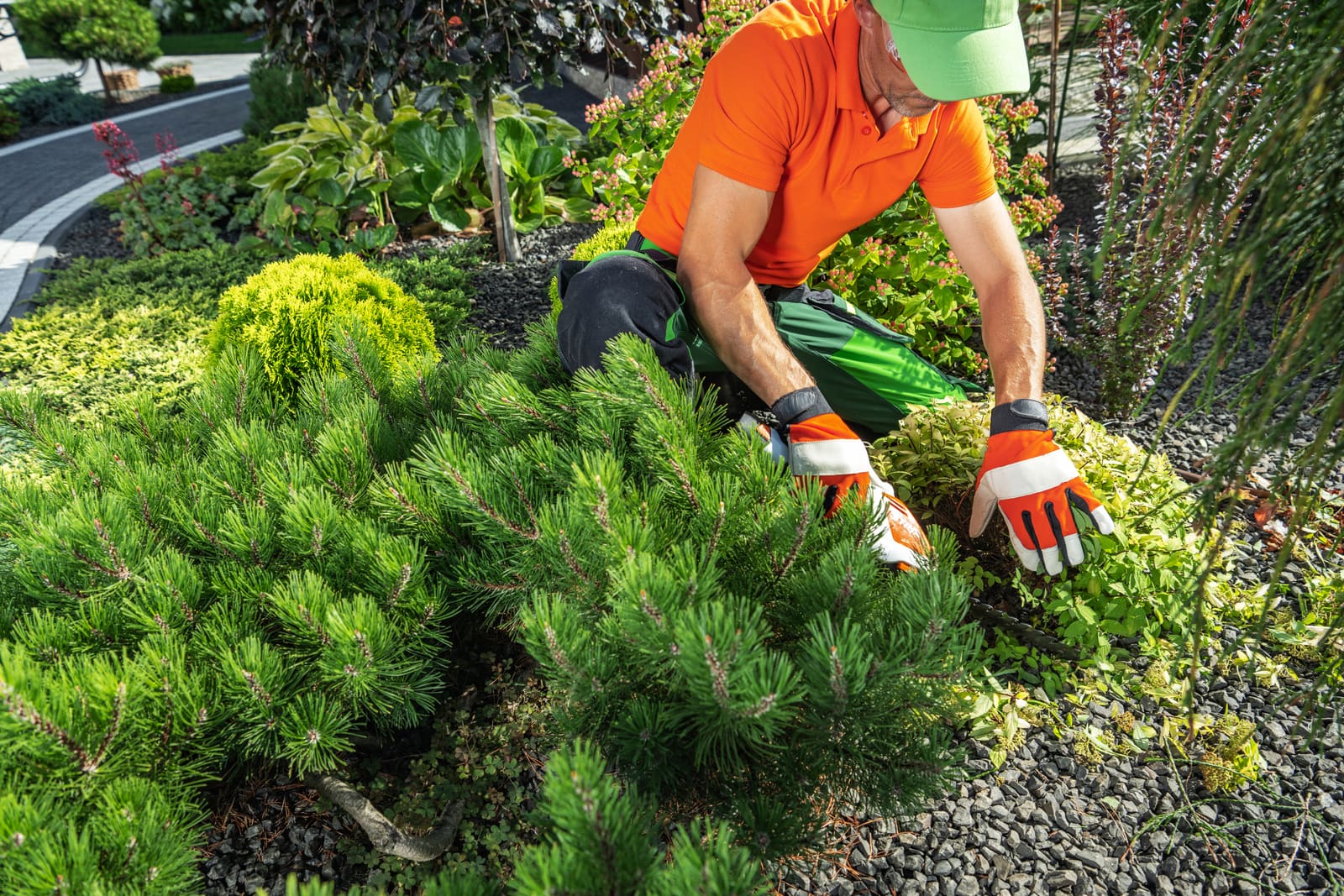
📌 Key Takeaway: Reusing lawn materials cuts waste, improves soil, and keeps a yard healthier without adding extra work. Grass clippings, leaves, branches, and other organic scraps all have a second use if you handle them with a plan. Composting, mulching, and simple repurposing turn routine cleanup into a steady source of plant nutrition and garden support.
The Best Ways to Reuse and Recycle Lawn Materials
A healthy yard creates its own raw material. Grass clippings, fallen leaves, and pruned branches do not have to become bagged waste at the curb. When you reuse them well, they feed the soil, protect plant beds, and reduce the amount of organic material headed to the landfill.
That matters because lawn care generates a steady stream of usable debris through the seasons. The goal is not to store every scrap forever. It is to move the right material into the right job: compost for soil building, mulch for moisture control, and branch material for structure or habitat. That approach keeps the landscape cleaner and makes the yard more resilient over time.
The labor market has not made that work any less relevant. The U.S. unemployment rate was 4.10% on August 1, 2026, according to FRED. When crews need to work efficiently, simple reuse habits matter because they reduce waste handling and keep more time focused on the property itself.
Composting: Turning Lawn Waste into Nutrient-Rich Soil
Composting is the most complete way to recycle lawn materials. Grass clippings, leaves, and plant trimmings break down into a finished soil amendment that improves structure and feeds plants. Instead of treating organic waste as something to remove, composting treats it as a resource to cycle back into the yard.
The process works best when you balance green material with brown material. Fresh grass clippings and kitchen scraps add moisture and nitrogen. Dry leaves and cardboard add carbon and help the pile breathe. A compost bin or pile in a dry, shaded spot gives the material a place to decompose without turning into a soggy mess. Turn the pile every few weeks so air reaches the center and the material breaks down evenly. Over time, the pile changes from recognizable scraps into dark, crumbly compost that can be worked into beds or spread around plants.
The EPA has noted that yard waste makes up a meaningful share of the total waste stream in the U.S., which is why composting has practical value beyond the garden. It keeps organic matter out of landfills and returns it to the soil where it belongs. The result is better moisture retention, stronger soil texture, and a steady supply of nutrients for the plants that need them most.
A simple real-world example shows how this pays off. A homeowner who mows weekly can collect clippings, mix them with autumn leaves, and add a few kitchen scraps instead of bagging everything for pickup. By the time the next planting season arrives, that material has become usable compost for flower beds and vegetable rows. One routine chore becomes a repeat source of soil support.
Mulching: A Simple Way to Recycle Grass Clippings
Grass clippings do useful work when they stay on the property. Used as mulch, they help hold moisture in the soil, slow weed growth, and return nutrients as they break down. That makes clipping management one of the easiest ways to recycle lawn material without adding a separate project.
The key is restraint. Clippings should be dry and spread in a thin layer. If they go on too thick, they can mat together and block water from reaching the soil. A light layer is enough to protect the surface and still let air and moisture move through. You can leave clippings on the lawn after mowing or collect them for use around garden beds where they will decompose naturally.
This works because the material stays close to the place where it came from. Instead of hauling away organic matter and replacing it with bought mulch, you are recycling what the mower already produced. That reduces waste, saves money, and keeps nutrients in circulation. It also supports the lawn itself by feeding the soil beneath it.
Repurposing Leaves for Garden Benefits
Fallen leaves often get treated like a cleanup problem, but they are one of the most useful materials in the yard. Shredded leaves can become mulch, compost feedstock, worm-bin carbon, or leaf mold. Each use gives the material a second life and reduces the need to haul it away.
As mulch, shredded leaves work much like grass clippings. They help keep soil from drying out too quickly and create a barrier that makes it harder for weeds to establish. They also break down gradually, which means they keep contributing to the soil instead of disappearing after one season.
Leaves also fit naturally into compost piles. Their dry, carbon-rich structure balances the wetter, greener material from mowing or kitchen scraps. If you use vermicomposting, leaves add the carbon source that worms need to process organic matter efficiently. Over time, decomposed leaves become leaf mold, a soft amendment that improves soil structure and drainage. That makes them especially valuable in beds that need better texture and water movement.
The practical point is simple: leaves are not trash. They are a seasonal input that can support beds, compost, and soil health if you process them instead of bagging them.
Creating Natural Fertilizers from Lawn Materials
Lawn materials can also support plant nutrition in more direct ways. Finished compost is the foundation here. Once grass clippings, leaves, and kitchen scraps have broken down fully, the result can be spread as an organic fertilizer around plants and beds. It adds nutrients in a slower, steadier way than many synthetic products, which helps plants take up what they need without a sharp surge.
Some gardeners also make compost tea by steeping finished compost in water. The liquid can be used as a soil drench or foliar spray to give plants a gentle nutrient boost. The value of this approach is not speed for its own sake. It is consistency. When you reuse lawn materials to make fertilizer, you keep organic matter moving through the system instead of paying to replace it from outside sources.
This is where smart reuse has a cumulative effect. Grass clippings feed compost, compost feeds soil, and healthy soil supports stronger growth. That cycle lowers waste and supports a healthier, more self-sustaining yard.
Innovative Uses for Unwanted Lawn Materials
Not every piece of lawn material belongs in a pile or spread on a bed. Some leftovers have a structural or decorative role. Large branches and logs, for example, can become natural borders for garden beds or visual accents that fit a more rustic landscape design. They can also be repurposed into simple outdoor features that add character without requiring new materials.
There is also an ecological side to this kind of reuse. Branch piles and log stacks can create shelter for small wildlife. That adds habitat value to the yard and supports biodiversity while solving a disposal problem. The material that once looked like debris becomes part of a living landscape.
This kind of repurposing works best when the material is clean, stable, and safe to leave in place. If a branch or log is sound, it can serve a useful purpose far longer than it would if it were chopped up and hauled away. That is the basic logic behind sustainable yard management: keep what still has value working in the yard.
Setting Up a Lawn Care Management System with Technology
Good recycling habits are easier to maintain when the work is organized. That is where lawn service software helps. With EZ Lawn Biller, you can manage lawn service operations in one place, including billing, routing, treatment tracking, visit reports, the mobile app, reports, payroll, QuickBooks integration, and the customer portal. When those pieces are connected, it becomes easier to build consistent service routines that include composting, mulching, and material reuse.
Technology helps with follow-through. A lawn service app can keep crews on schedule, track what was done on each property, and remind the team when seasonal tasks should happen. That matters because recycling lawn materials is not a one-time project. It works when it becomes part of the regular service rhythm. If clipping collection, leaf management, or material reuse gets built into the workflow, the crew is far more likely to do it consistently.
For lawn businesses, that consistency matters even more. Organized routing, clear records, and repeatable visit routines reduce wasted time and make eco-friendly practices easier to deliver at scale. The better the system, the easier it is to keep organic material moving back into the landscape instead of out of it.
Community Involvement: Sharing Ideas and Resources
Local gardeners and lawn professionals often learn the best reuse habits from each other. Community groups, neighborhood associations, and gardening clubs are good places to exchange practical methods for composting, leaf management, and other forms of recycling. Those conversations often lead to better techniques because they are grounded in local conditions, not abstract advice.
Community composting programs and workshops can also make it easier to get started. They give homeowners and crews a place to compare methods, ask questions, and see what works in practice. That kind of shared learning helps normalize sustainable habits. It also builds momentum, because people are more likely to keep using a method when they have seen it work somewhere nearby.
This matters for the yard and for the larger neighborhood. When more people reuse organic material responsibly, less waste ends up in the landfill and more of it goes back into healthy soil.
The Environmental Impact of Recycling Lawn Materials
The benefits of recycling lawn materials reach beyond one property line. When organic waste is reused instead of discarded, the landfill load goes down. That can reduce the emissions tied to hauling and decomposition, while also keeping useful material in circulation where it belongs. Composting and mulching support soil health, and healthy soil supports stronger plant growth.
There is also a broader habitat effect. A yard managed with compost, mulch, leaves, and natural materials tends to support more life than a yard stripped clean and fed only with outside inputs. Pollinators and other beneficial wildlife need food, cover, and a stable environment. Sustainable yard practices help create those conditions.
So the environmental benefit is not just a feel-good side effect. It is part of the work itself. Every time you reuse lawn material well, you reduce waste and improve the quality of the landscape at the same time.
Conclusion
Reusing and recycling lawn materials is one of the simplest ways to make a yard healthier and less wasteful. Composting turns organic debris into soil amendment. Mulching puts clippings and leaves back to work. Repurposing branches and logs adds function and habitat. Each practice keeps useful material in the landscape and out of the landfill.
The best part is that these habits build on each other. Once you start treating lawn material as a resource, you create a cleaner, more efficient system for the whole property. That is good for the garden, good for the environment, and good for anyone who wants a yard that stays productive from season to season.
Frequently Asked Questions
What lawn materials are best for composting, and how should you balance them? Grass clippings, fallen leaves, and plant trimmings are all good compost inputs. Fresh green material adds moisture and nitrogen, while dry brown material like leaves and cardboard adds carbon and helps the pile stay airy. Keeping that balance is what helps the pile break down into usable compost instead of becoming too wet or compacted.
Where should you place a compost pile for lawn waste? A compost bin or pile works best in a dry, shaded spot. That location helps the material decompose without turning into a soggy mess. You also want enough access to turn the pile every few weeks so air can reach the center and speed up even breakdown.
How do you know when compost made from lawn materials is ready to use? Finished compost no longer looks like the original scraps. It becomes dark and crumbly as the materials fully decompose. At that point, you can work it into beds or spread it around plants to improve soil structure, moisture retention, and nutrient availability.
Why is composting lawn waste better than bagging it for curb pickup? Composting keeps organic material out of landfills and sends it back into the soil where it can do useful work. That reduces waste while also building healthier, more resilient planting beds. It is a practical way to turn regular lawn cleanup into a steady source of soil improvement.
Related Articles
- How to Recycle Lawn Waste Responsibly
- How to Use Canva to Design Lawn Marketing Materials
- Managing Hazardous Materials in Lawn Care Operations