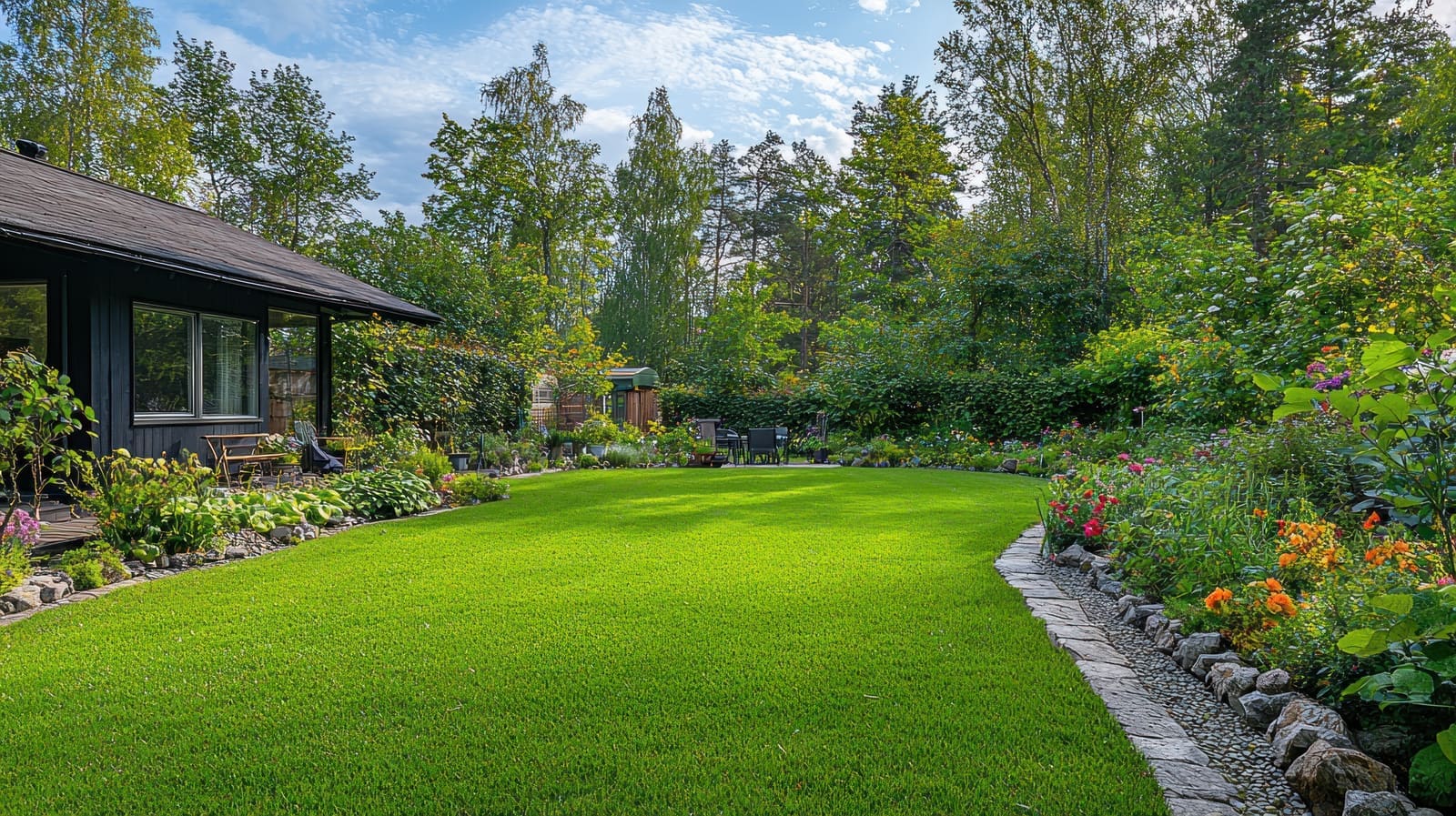
📌 Key Takeaway: The best lawn grass depends on climate first, not appearance alone. Cool-season grasses handle northern swings, warm-season grasses handle southern heat, and the right match cuts down on stress, wasted water, and constant repair work.
The grass you choose sets the tone for the whole lawn. A variety that looks great in one region can struggle in another, no matter how much time you put into mowing, watering, or fertilizing. Climate, shade, foot traffic, and drought tolerance all shape whether a lawn fills in thick or thins out by midseason. That is why regional grass selection matters before anything else.
The good news is that the choices are fairly straightforward once you understand the main grass families and the conditions they prefer. Some grasses stay strongest in cooler weather. Others peak when heat and humidity rise. If you match the grass to the region, routine care becomes easier and the lawn looks better with less fighting against nature. That matters in a labor market where efficiency counts. The U.S. unemployment rate was 4.10% on August 1, 2026, according to FRED, so crews and homeowners both have a stronger reason to choose grass that reduces avoidable maintenance.
Cool-Season and Warm-Season Grasses
The first step is knowing which of the two main grass groups fits your climate. Cool-season grasses grow best in northern areas with moderate temperatures. They usually do their strongest growing in spring and fall and slow down when summer heat arrives. Warm-season grasses do the opposite. They thrive in heat, spread aggressively in summer, and often go dormant when cold weather returns.
That difference explains why the same lawn mix can produce very different results across the country. Kentucky bluegrass, tall fescue, and fine fescue all fit the cool-season side. Bermuda grass, zoysia grass, and St. Augustine grass are warm-season staples. The name tells part of the story, but the real decision comes down to how your region handles heat, cold, rainfall, and seasonal stress.
A practical example makes the choice clearer. A homeowner in the Northeast who plants Bermuda grass may get decent color in summer, then watch it struggle when temperatures drop. The same yard with tall fescue can stay more dependable through seasonal swings because the grass is built for that climate pattern. Matching grass type to region avoids that cycle of patching, reseeding, and frustration.
Best Grasses for the Northeast
The Northeast has cold winters and warm summers, which makes cool-season grasses the safest choice. These grasses handle temperature swings better than warm-season varieties and tend to keep their color and density through the growing season. The goal here is durability across changing weather, not just a short burst of summer growth.
Kentucky bluegrass is one of the most popular options in this region. It has a rich green color and a fine texture that creates a dense, attractive turf. When conditions are right, it produces a classic lawn look that many homeowners want. The tradeoff is that it needs regular water and steady care, especially when dry periods arrive.
Tall fescue is often the more practical choice for busy homeowners. Its deeper root system gives it better drought resistance than Kentucky bluegrass, and it can hold up well when rainfall is inconsistent. The texture is coarser, but it performs well in everyday use and can handle foot traffic without breaking down as quickly. For many Northeast lawns, that balance between appearance and resilience makes tall fescue the better long-term fit.
Best Grasses for the Midwest
The Midwest covers a lot of ground, so the grass choice depends on whether the lawn sits in a cooler northern area or a more transitional zone. Even with that variety, cool-season grasses still lead the way in most of the region. The main priorities are quick establishment, traffic tolerance, and decent performance through seasonal changes.
Perennial ryegrass is a favorite because it germinates quickly and fills in fast. That makes it useful for overseeding and repair work when a lawn needs help recovering after stress or heavy use. It also handles foot traffic well, which matters for family yards, side yards, and properties that see constant movement. When a lawn needs an immediate green-up, ryegrass delivers.
Fine fescue is another smart choice, especially in shaded areas. This group includes creeping red fescue, chewings fescue, and hard fescue. These grasses do well where trees block sunlight and where lower-input care is the goal. They typically need less fertilizer and less water than more demanding grasses, so they fit lawns that need to look good without constant intervention. In the Midwest, that low-maintenance quality can be a major advantage.
Best Grasses for the South
The South is built for warm-season grasses. Long, hot summers and high humidity favor grasses that grow actively in heat and recover well from stress. If the lawn gets full sun and plenty of summer warmth, warm-season grass usually performs better than a cool-season option.
Bermuda grass is one of the strongest choices for southern lawns. It thrives in heat, stands up well to foot traffic, and spreads aggressively once established. That makes it a strong fit for open yards, athletic fields, and properties that get a lot of use. It does best in sunny areas, so it is not the right answer for every yard, but where sun is abundant, it delivers a tough, dependable surface.
Zoysia grass offers a different kind of value. It handles full sun and partial shade, so it works in more settings than Bermuda grass. It is slower to establish, but once it fills in, it forms a dense, carpet-like lawn that looks polished and holds up well. That combination of density and drought tolerance makes it appealing for homeowners who want a finished look with better resilience.
St. Augustine grass is often the right answer in coastal areas. It tolerates salt and humidity well, which gives it an edge where other grasses may struggle. Its broad blades and rich color create a lush appearance, but it also asks for more care than some other options. For homeowners who want a fuller, tropical look and live in the right environment, it remains a strong Southern choice.
Best Grasses for the Southwest
The Southwest brings heat, dry air, and limited rainfall into the equation. That means drought resistance matters more than a perfect manicured look. In this region, grass must survive tough conditions without constant watering. Warm-season grasses are the clear fit, especially those that can hold up in intense sun.
Bermuda grass continues to be a reliable option here because it handles extreme heat and establishes quickly. It is durable, practical, and able to recover after stress, which makes it a common choice for homeowners who need a tough lawn in a demanding climate. When sunlight is abundant, Bermuda grass can do a lot of work with relatively simple care.
Buffalo grass is another strong option, especially for water-conscious homeowners. It is native to the Great Plains and built for dry conditions. Its fine texture and minimal maintenance needs make it useful where irrigation is limited and conservation matters. For Southwest landscapes that need to stay functional without heavy water use, buffalo grass makes sense.
Lawn Care That Supports the Grass You Choose
Choosing the right grass is only half the job. The care routine has to match the grass type and the climate, or even a good match can decline. Watering, fertilization, and mowing all matter, but they should support the grass’s natural growth pattern instead of working against it.
Watering should be steady without becoming excessive. Most grasses need about one inch of water per week from rain or irrigation. Early morning is the best time because it reduces evaporation and gives the lawn time to dry during the day. That simple timing adjustment helps the lawn use water more efficiently.
Fertilization also needs to fit the grass type. Slow-release fertilizer in spring and fall can support healthy growth and improve color without pushing the lawn too hard. The goal is consistency, not overfeeding. A well-fed lawn is stronger, but too much fertilizer can create weak growth and extra maintenance.
Mowing plays its own role. Cutting too short stresses grass, while mowing at the proper height helps shade the soil and support root health. The right mowing height depends on the grass type, so keeping the lawn at a stable height matters more than chasing a perfectly short cut. When watering, feeding, and mowing all align, the grass has a better chance of staying dense and even.
Using Software to Keep Lawn Care Organized
Lawn care is easier when the business side is organized too. Software such as EZ Lawn Biller helps lawn care professionals manage statements, service records, client details, routing, treatment tracking, visit reports, mobile work, reports, payroll, QuickBooks integration, and the customer portal in one place. That matters because good lawn work still depends on efficient scheduling and clear communication.
A lawn service company that keeps records clean can see which properties need attention, which routes are running tight, and which customers need follow-up. The statement-based billing model also keeps payments easier to manage because customers can view their running balance and pay through the portal. That reduces back-and-forth and helps the office stay current while crews stay focused in the field.
A real operator example shows the value clearly. If a company maintains both shaded fescue properties in one neighborhood and sun-heavy Bermuda lawns in another, the schedule, treatment plan, and visit history need to stay organized by property. A good lawn company computer program makes that easier by tying the right service history to the right account. That kind of structure saves time, reduces mistakes, and gives the business a better handle on recurring work.
Choose the Grass That Fits the Region
The best lawn starts with the right grass for the climate. Cool-season grasses fit the North and much of the Midwest. Warm-season grasses fit the South and Southwest. Once you match the grass to the region, the lawn has a better base for healthy growth, and the care routine becomes easier to manage.
From Kentucky bluegrass to buffalo grass, each option has a place when used in the right environment. The key is not chasing the prettiest grass in a catalog. It is choosing the one that can handle your weather, your sunlight, and your maintenance needs. When that choice is right, the lawn becomes stronger, more resilient, and easier to maintain over time. That same principle holds for the business behind the lawn: the cleaner the system, the less time you lose correcting avoidable problems.
Frequently Asked Questions
How do I know whether my lawn should use a cool-season or warm-season grass? Start by matching the grass to your region’s temperature pattern. Cool-season grasses are best for northern areas with moderate temperatures and perform strongest in spring and fall, while warm-season grasses thrive in heat and usually go dormant when cold weather returns. If your area sees cold winters and warm summers, a cool-season grass is usually the safer fit.
Which grass types are considered cool-season grasses? Kentucky bluegrass, tall fescue, and fine fescue are all cool-season grasses. They are designed to handle cooler climates better and usually stay more reliable when temperatures swing between spring, fall, and winter. If you live in a colder region, these grasses are usually the first group to consider.
Why would Bermuda grass be a poor choice for the Northeast? Bermuda grass is a warm-season grass, so it performs best in heat and can struggle when temperatures drop. In the Northeast, that means it may look fine during summer but lose strength as colder weather returns. A cool-season grass like tall fescue is a better match for the Northeast’s seasonal changes.
What makes tall fescue a good option for the Northeast? Tall fescue is a cool-season grass, which makes it better suited to the Northeast’s cold winters and warm summers. It tends to handle seasonal swings more dependably than warm-season grasses, so you get fewer problems with thinning or patching. That makes lawn care easier and helps the lawn stay more consistent through the year.