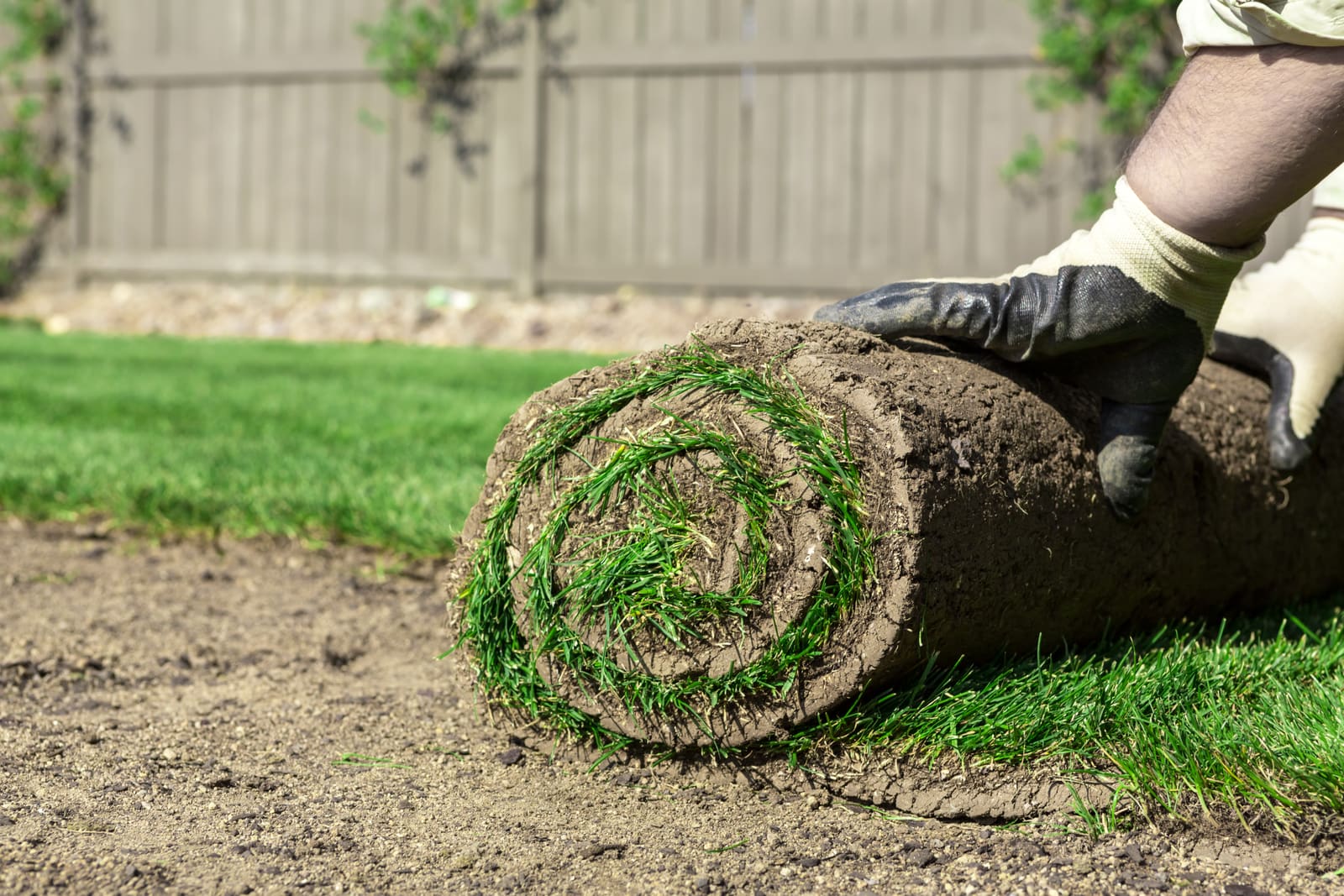
📌 Key Takeaway: Organic lawn care works best when you treat the lawn as a living system. Feed the soil, manage pests before they spread, mow and water with purpose, and use tools that help you stay consistent.
The Best Organic Alternatives to Traditional Lawn Chemicals
Organic lawn care has moved from a niche preference to a practical way of managing turf. Homeowners want safer yards for kids and pets, and lawn companies want methods that protect soil health without creating long-term damage. Traditional chemicals can still produce quick results, but they often solve the symptom instead of the cause. Organic alternatives take a different path: they strengthen the soil, support grass growth, and reduce the conditions that invite weeds and pests.
That shift matters because a healthy lawn depends on more than one treatment. Fertility, pest pressure, soil structure, and maintenance habits all work together. If one part breaks down, the lawn struggles. Organic methods give you more control over the whole system, which is why they belong in any serious lawn care plan.
This post breaks down the main options: natural fertilizers, organic pest control, soil-building practices, organic products, and the routines that keep everything working over time.
Natural Fertilizers: Feeding Your Lawn Organically
Natural fertilizers are the foundation of organic lawn care because they feed the soil instead of forcing a short burst of growth. Synthetic fertilizers can deliver fast color, but organic materials improve the long-term health of the turf. They help build microbial activity, improve structure, and support better nutrient cycling.
Compost is one of the most useful options. It brings organic matter back into the lawn and can be made from kitchen scraps, yard waste, and other plant material. When spread properly, compost improves water retention and helps the soil hold nutrients longer. That gives grass a steadier base for growth instead of a temporary boost.
Fish emulsion is another effective choice. It delivers a quick nutrient lift and works well when a lawn needs support during active growth. Bone meal and blood meal can also help by supplying nutrients that grass uses to build strong roots and maintain color. These inputs are not magic, but they are dependable when paired with good mowing and watering habits.
A practical example makes the difference clear. A homeowner with thin patches after a dry stretch might be tempted to push growth with a synthetic treatment, but that can leave the soil just as compacted as before. If that same lawn gets compost, light aeration, and a steady organic feeding program, the grass improves from the ground up. The result is slower than a quick chemical green-up, but it lasts longer and usually requires less correction later.
Effective Pest Management Without Chemicals
Organic pest management works best when you stop thinking in terms of reaction and start thinking in terms of prevention. Instead of waiting for pests to spread and then reaching for a broad chemical treatment, organic control focuses on monitoring, habitat balance, and targeted intervention. Integrated Pest Management provides a strong framework for that approach.
Beneficial insects are one of the simplest tools available. Ladybugs and lacewings help keep aphid populations in check without harming the lawn ecosystem. Companion planting can also help by attracting helpful insects or discouraging unwanted ones. Marigolds can help deter nematodes, while basil can help keep some flying pests away.
For smaller outbreaks, homemade insecticidal soap can be useful. A mild soap solution sprayed directly on affected areas can control soft-bodied insects without leaving the same residue as harsher products. The key is to use it carefully and only where needed. Organic pest control is most effective when it is precise, not indiscriminate.
The larger lesson is that pest problems usually signal imbalance. Thick thatch, stressed grass, poor watering habits, and weak soil all make pests more likely. Grass spiders are a good example. In Lawn Love’s July 22, 2026 guide, the focus is on understanding why they show up in yards and when action makes sense. The point is not to panic over every pest sighting. It is to read the lawn correctly and respond to the underlying conditions.
That same idea applies to other common yard pests. When the lawn is healthy and the turf is dense, pests have fewer weak spots to exploit. Organic control works because it supports the lawn before a problem becomes visible.
Building Healthy Soil: The Foundation of Organic Lawn Care
Healthy soil drives everything else. Grass can only do its job when roots have access to air, water, and nutrients. If the soil is compacted or depleted, even the best fertilizer will underperform. That is why soil-building is not a side task in organic lawn care. It is the base layer.
Aeration helps by opening the soil and letting air, water, and nutrients move deeper. This matters in lawns that see heavy foot traffic or have dense ground. Once the soil loosens up, roots can spread more easily and the turf becomes less dependent on constant correction.
Mulch also plays a role, especially in surrounding landscape areas that support the lawn. Organic mulch holds moisture, slows weed growth, and breaks down over time into useful organic matter. Wood chips and straw are practical options because they protect the soil while slowly improving it.
Minimal tillage protects that soil structure. Every time soil is disturbed, its natural ecosystem takes a hit. Low-till and no-till practices preserve the beneficial organisms that help the lawn stay resilient. If the goal is long-term turf health, protecting the soil is just as important as feeding it.
Utilizing Organic Lawn Care Products
Organic lawn care products give you ready-made options when you want convenience without leaning on harsh chemicals. The best products are made from natural ingredients and are designed to support the lawn instead of disrupting it. When choosing them, look for formulations that are clearly labeled and suitable for your specific goal, whether that is feeding, weed suppression, or pest control.
Organic herbicides can help with spot treatment. Vinegar-based products are often used for stubborn weeds because the acidity can damage plant tissue on contact. They are best for isolated problem spots rather than broad-area correction, since they can affect whatever foliage they touch.
Many lawn service companies also offer organic programs built around these same principles. For homeowners, that can save time and reduce guesswork. For operators, it creates a service model built on consistency, communication, and visible results. The best programs do not rely on one product. They combine the right treatments with a schedule that keeps the lawn moving in the right direction.
That kind of structure matters because organic programs work best when crews can document what they saw and what they changed. A good record of pest pressure, soil condition, and treatment timing makes the next visit more effective.
Creating a Sustainable Lawn Care Routine
Organic lawn care only works when it becomes a routine. One-off treatments can help, but long-term results come from steady maintenance. Watering, mowing, and seasonal timing all shape how well the lawn responds to organic inputs.
Deep, infrequent watering encourages roots to grow downward instead of staying near the surface. That makes the lawn more resilient during dry periods and less dependent on constant attention. Early morning watering also helps reduce evaporation and lowers the chance of fungal problems later in the day.
Mowing height matters just as much. Cutting grass too short puts stress on the plant and leaves more room for weeds to take hold. Keeping grass at a proper height helps shade the soil, protect moisture, and support stronger root growth. It is one of the simplest ways to improve a lawn without adding more products.
The most successful organic programs are disciplined. They do not chase every problem with a separate fix. They create conditions where the lawn can compete on its own.
Engaging with Your Community: Sharing Knowledge and Practices
Organic lawn care improves faster when people share what works. Local gardening groups, workshops, and community events can be valuable sources of practical knowledge. They give homeowners and professionals a place to compare results, learn seasonal timing, and see how different yards respond to similar practices.
Neighbors can be useful too. When people in the same area share compost, seeds, or firsthand experience, they build a support network that makes sustainable care easier to maintain. That kind of local exchange matters because lawns often face similar weather, soil, and pest pressures from one property to the next.
Community gardens and local stores can extend that learning even further. Educational sessions create a place to discuss organic methods in plain language and show how those methods work in real yards. The more visible the results, the more people understand that organic care is not about doing less. It is about doing the right things in the right order.
Embracing Technology: Tools for Organic Lawn Care
Technology makes organic lawn care easier to manage because it helps turn good intentions into repeatable action. Apps and software can track maintenance schedules, organize tasks, and keep care plans from slipping. That matters when organic methods depend on timing as much as ingredients.
A lawn service app can streamline watering, mowing, and fertilization schedules so nothing gets missed. That kind of structure is useful whether you manage one property or many. Precision tools can also help by tying treatment decisions to soil analysis and environmental conditions instead of guesswork.
For lawn care companies, software is especially useful because it keeps the whole operation aligned. Routing, visit reporting, billing, and customer communication all work better when they are connected. Organic service programs often require more explanation and more documentation than conventional ones, so clear records help crews stay consistent and help customers understand the value of the work.
Technology does not replace field skill. It supports it. The best results come when the crew uses good judgment on the ground and the software keeps the process organized behind the scenes.
Conclusion
Organic alternatives to traditional lawn chemicals offer a practical way to build healthier turf without relying on harsh shortcuts. Natural fertilizers feed the soil, organic pest control reduces pressure without unnecessary damage, and soil-focused practices create the conditions grass needs to thrive.
The real advantage is not just environmental. It is operational. A lawn that is managed with consistent, thoughtful care is easier to maintain over time. That holds true for homeowners and for lawn service companies that want better retention, stronger results, and fewer repeat problems.
Start with the basics: improve the soil, keep the lawn on a steady routine, and choose products that support long-term health. That approach produces a lawn that looks good and performs well through the season, which is exactly what sustainable lawn care should deliver.
Frequently Asked Questions
What organic fertilizer option is best if you want to improve the soil, not just green up the grass? Compost is the strongest all-around choice for building soil health because it adds organic matter back into the lawn. It helps improve water retention, supports nutrient cycling, and encourages microbial activity in the soil. That makes it a better long-term foundation than a fast-acting synthetic fertilizer.
When should you use fish emulsion instead of compost or meal-based fertilizers? Fish emulsion is useful when your lawn needs a quicker nutrient lift during active growth. It works well as a support input, while compost is better for steady soil improvement and bone meal or blood meal are better for supplying specific nutrients. Using it alongside good mowing and watering habits gives you more consistent results.
How do organic lawn treatments help reduce weeds and pests without relying on harsh chemicals? Organic methods focus on making the turf stronger and the soil healthier, which reduces the conditions that allow weeds and pests to take over. When the lawn has better structure, better nutrient cycling, and stronger root growth, it can compete more effectively on its own. That approach addresses the cause of the problem instead of only reacting to symptoms.
What other practices should you pair with organic products to keep the lawn healthy over time? You should combine organic inputs with good mowing and watering habits because fertility, pest pressure, soil structure, and maintenance all work together. Organic products are most effective when they are part of a broader routine that supports the whole lawn system. That gives you more control and helps prevent the lawn from sliding back into stress.
Related Articles
- How to Use Organic Fertilizers for Long-Term Soil Health
- The Environmental Impact of Traditional Lawn Fertilizers
- The Role of Composting in Organic Lawn Maintenance
Further reading
For broader context on small-service-business operating conditions, the SBA 7(a) loan program (current monthly cycle, August 2026) continues to support acquisitions, expansions, and equipment investment for service businesses including pool routes and lawn-care operations.