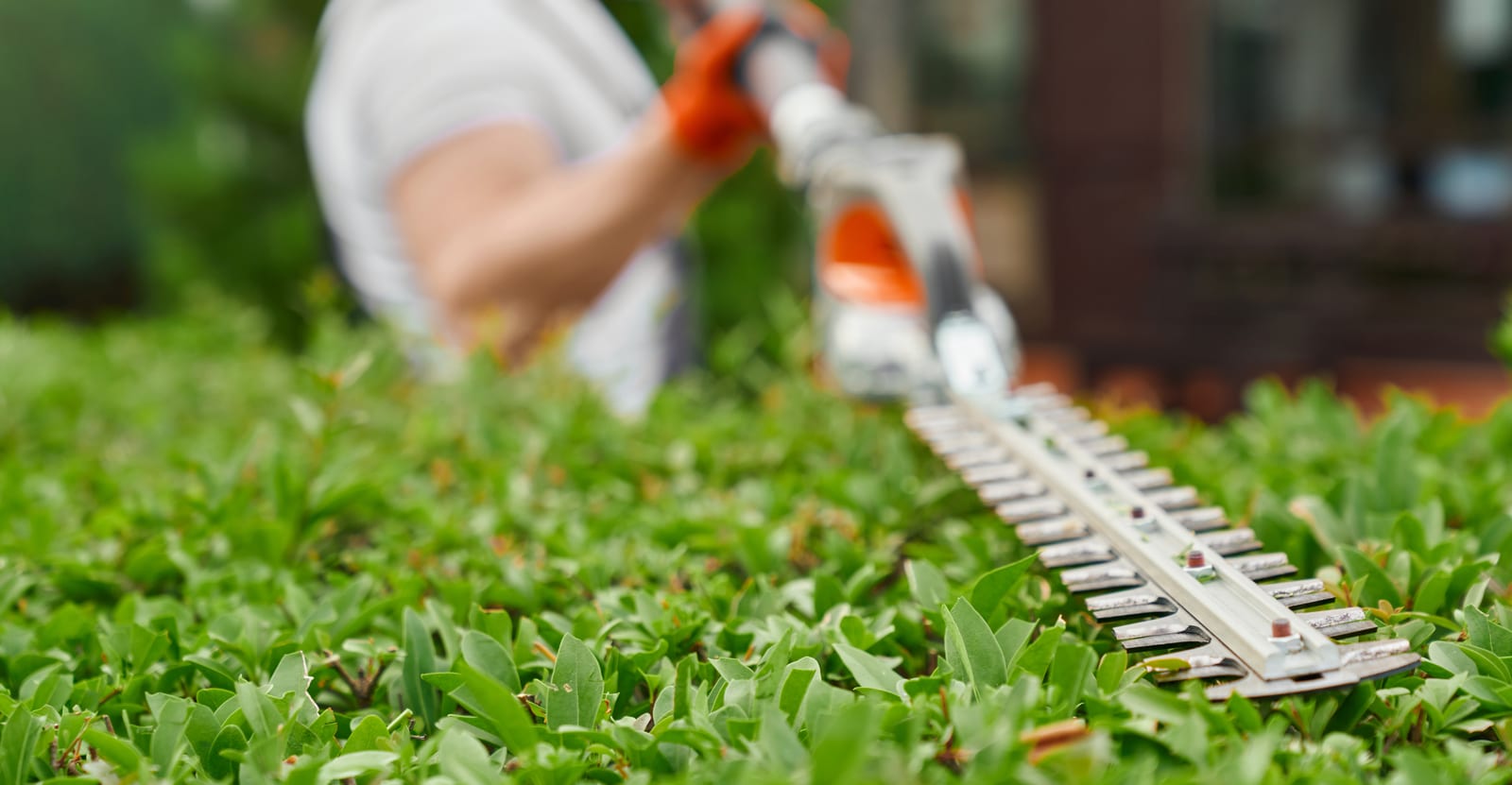
📌 Key Takeaway: Long-term lawn care success comes from building a business that can repeat the same high-quality work profitably week after week. That means knowing your route density, controlling scheduling, keeping statements current, training crews well, and reviewing the numbers often enough to catch problems before they spread.
Strategic planning in lawn care is not about writing a binder full of goals and forgetting it. It is about making choices that protect margin, improve service quality, and create a business that can handle seasonal swings without losing control. The companies that last are the ones that turn day-to-day work into a repeatable system. They know which neighborhoods fill a route, which services produce dependable revenue, and which processes break down when the schedule gets busy.
That kind of planning starts with the basics: where you work, who you serve, how you price, and how you keep the schedule moving. From there, the plan has to reach into operations, customer communication, and back-office work. A lawn company that still relies on memory, paper notes, or scattered spreadsheets is always one busy week away from mistakes. A company that uses complete lawn service management software can build a stronger foundation because billing, routing, visit reports, the mobile app, payroll, QuickBooks integration, and the customer portal all support the same operating plan.
The financing side can matter too. The SBA’s 7(a) loan program continues to fund small-business acquisitions across service industries, and the August 1, 2026 program page is a reminder that growth is not limited to organic route building. For an owner thinking about buying a route or acquiring a small competitor, the plan has to cover more than operations. It has to show how the added work will fit the schedule, the billing cycle, and the crew structure.
That same financing point matters when the acquisition is not just an idea on paper. The SBA 7(a) loan program page dated August 1, 2026 shows that acquisition capital remains part of the playbook for service businesses. The money helps, but the real test is whether the new work can be absorbed without disrupting route flow, statement timing, or crew productivity.
Start with a route-based business model
A long-term plan has to begin with route density. Lawn care rewards businesses that can serve nearby properties efficiently, because every extra minute spent driving is time that could have gone into production or another paid stop. Route density lowers fuel waste, reduces wear on equipment, and makes the schedule more predictable. It also improves service consistency because crews move through a tighter area and spend less time bouncing across town.
That does not mean every account should fit into one perfect pattern on day one. It means you should think about where new customers fit before you sell them. A profitable customer in the wrong part of town can create more operational drag than value if it forces a route to stretch. A smaller customer in the middle of an existing cluster can often be more valuable than a larger one that sits far away. Strategic planning gives you a filter for those choices.
This is also where service specialization matters. A company that serves mowing, treatment, hedge work, and seasonal cleanup can build more stable revenue than one that depends on a single type of visit. Different services let you fill gaps in the calendar and spread labor across the year. The goal is not to chase every possible job. The goal is to build a route structure and service mix that supports steady production and steady cash flow.
When route planning is treated as a core business decision instead of a daily scramble, the rest of the company gets easier. Crews start on time more often, customers see fewer missed visits, and the office spends less time putting out fires.
Build a plan around predictable revenue
Lawn care is strongest when it behaves like a recurring business. The best planning decisions are the ones that make revenue more predictable across the season. That starts with clear service agreements, clear visit expectations, and a billing process that keeps accounts current.
Statement billing fits that model well because it gives each homeowner a running balance instead of forcing your office to manage a pile of separate bills for every visit. That matters in lawn service, where work repeats and balances often build over time. Customers want to see what has been done, what has been paid, and what still remains open. They do not want confusion. They want a clean account history.
EZ Lawn Biller supports that approach with complete lawn service management software built around billing, routing, treatment tracking, visit reports, the mobile app, reports, payroll, QuickBooks integration, and the customer portal. The billing side matters because it keeps your cash flow visible. The route side matters because it keeps the work organized. When those pieces line up, the company can grow without losing track of money or service delivery.
A long-term plan should also define how you handle payments. Customers should know when statements close, how balances are collected, and what options they have through the portal. Clear billing rules reduce overdue accounts and cut down on office calls. That saves time and keeps the company looking organized, which builds trust over time.
Recurring revenue is not just a financial advantage. It gives the company room to plan. When the office can forecast cash more accurately, it becomes easier to hire, buy equipment, and add routes with confidence.
The same logic applies if an owner uses the SBA 7(a) program to acquire a route or a competitor. The SBA 7(a) loan program page dated August 1, 2026 confirms that acquisition capital is still available for service businesses, but financing only helps if the new work fits into a system that can absorb it. Strong planning turns borrowed capital into controlled growth instead of extra pressure.
Set targets that reflect operations, not vanity
A useful strategic plan uses targets that connect directly to how the business runs. Revenue goals matter, but they are not enough by themselves. You also need operational targets that tell you whether the company is becoming easier or harder to manage.
For example, track how many stops each crew can complete in a shift without sacrificing quality. Watch how often routes are being redone because of weather, customer changes, or poor scheduling. Measure the percentage of statements collected on time. Review how quickly the office answers customer questions. These are the numbers that show whether the business is becoming more efficient.
Good targets should be specific enough to guide action. If the goal is to increase revenue, ask where that growth will come from. Is it from more homes on an existing route, higher-value treatment programs, better retention, or additional seasonal services? If the goal is to improve retention, decide what has to change in communication, service consistency, or follow-up.
The point of planning is not to create pressure for its own sake. It is to make decision-making easier. A crew leader who understands the target for daily production can manage time better. An office manager who knows the target for statement collection can follow up sooner. An owner who sees the numbers each week can correct course before a problem becomes expensive.
Planning works best when the targets are visible and the team understands how daily work connects to them. That creates accountability without confusion.
Use technology to reduce friction, not add clutter
Technology should simplify the business. Too many companies adopt software and end up with more screens, more confusion, and more duplicated work. The right system removes friction from the places where lawn companies usually lose time: scheduling, communication, billing, and follow-up.
A mobile app helps crews stay aligned in the field. It gives technicians the information they need without forcing them to call the office for every detail. That matters when weather changes the schedule or when a customer asks a question about a prior visit. With the right mobile app, the crew can see the day’s work, confirm what was completed, and keep information moving back to the office quickly.
That back-and-forth is where complete lawn service management software pays off. When visit reports are recorded in the field, the office has a clearer record of service. When billing is tied to the work that was actually performed, statements are easier to manage. When QuickBooks integration is in place, bookkeeping becomes less manual. When the customer portal is available, homeowners can review their account and payments without adding work to the office.
You can see this same principle in EZ Lawn Biller’s feature set, including its billing and payments workflow at Billing And Payments and its mobile app at Mobile App. The value is not in having software for the sake of software. The value is in removing the repetitive tasks that slow down growth.
A technology plan should always answer one question: does this make the company easier to run? If the answer is no, it is probably not helping the business.
Train crews to protect the brand
A lawn company’s brand is built in the field. Customers judge the business by how crews show up, how work is completed, and how quickly problems are handled. Strategic planning has to include training because a business cannot scale if every crew member uses a different standard.
Crew training should cover more than equipment use. It should explain the company’s pace, its communication standards, and the details that customers notice. Gates should be closed. Driveways should be respected. Edging and cleanup should look consistent across jobs. If a treatment schedule changes, the customer should not be left guessing. Those details create the reputation that keeps accounts stable.
Training should also help new employees understand why route discipline matters. A crew that runs late once or twice can create a chain reaction across the day. One delayed stop affects every stop behind it. That is why the best operations do not treat time management as a soft skill. They treat it as part of service quality.
The mobile app supports that training by giving crews a consistent place to find job details, visit history, and reports. When field information is easy to access, new hires learn faster and experienced crews spend less time asking the office for clarification. That creates a cleaner handoff between the office and the field.
A strong brand does not come from slogans. It comes from a repeated customer experience. Training keeps that experience consistent as the business grows.
Plan for customer communication before problems happen
Customer communication is one of the most overlooked parts of strategic planning. Many lawn companies think communication only matters when something goes wrong. In reality, good communication prevents many problems from happening in the first place.
Customers want to know when they will be serviced, what was done, and how billing works. They also want a way to ask questions without chasing the office. The customer portal helps with that. It gives homeowners a place to review their account, make payments, and stay informed. That reduces friction and makes the company look organized.
Communication also matters when weather changes the schedule. Lawn work often depends on conditions that can shift quickly. If a route moves, the company should have a clear process for notifying customers. If a visit is delayed, the customer should know why. Clear communication turns potential frustration into understanding.
This is where the office and the field need to work from the same plan. The crew should record what happened, the office should see it quickly, and the customer should receive consistent information. Visit reports help bridge that gap because they create a record of service that the office can use later if questions come up.
A business that communicates well spends less time defending itself and more time serving customers. That leads to better retention, fewer disputes, and smoother growth.
Review the numbers before the season slips away
Strategic planning only works if you revisit the plan. Lawn care is seasonal, and the business can drift quickly if no one checks the numbers until the year is already over. Quarterly review is a practical rhythm because it gives you enough time to spot patterns without waiting too long to act.
Start with the metrics that matter most to the company. Look at route efficiency, statement collection, labor costs, customer retention, and service completion rates. Compare what was planned with what actually happened. If routes are taking longer than expected, find out whether the cause is layout, staffing, equipment, or customer density. If collections are slowing, look at communication, statement timing, and payment methods.
The key is to turn review into action. If the numbers show a weak route, change the route. If the numbers show a billing issue, tighten the billing process. If the numbers show that crews are missing details, update training. A plan has value only when it changes behavior.
Reports are especially useful here because they reveal problems that can hide in daily busyness. Strong reports do not just summarize the past. They help the owner make decisions about what comes next. That is why reporting should be part of the operating plan, not an afterthought.
Businesses that review their numbers regularly stay more stable through seasonal pressure. They adjust earlier, waste less time, and keep the company moving in the right direction.
Prepare for growth by tightening the back office first
Many lawn companies think growth means adding more accounts immediately. In practice, growth lasts longer when the back office is ready for it. Before adding a large number of customers, the company should know how it will schedule them, bill them, track visits, pay crews, and handle follow-up.
Back-office discipline matters because growth multiplies existing weaknesses. If statements already go out late, more customers will make the problem worse. If route planning is weak, more stops will create chaos. If the office cannot see what the crews completed, billing and customer service become harder. Growth exposes those gaps quickly.
That is why complete lawn service management software is more than a convenience. It gives the company a structure that can handle more work without losing control. Billing and payments, routing, visit tracking, the mobile app, reports, payroll, and QuickBooks integration all support a smoother operation. Each piece reduces one type of friction. Together, they create a business that is ready to scale.
Growth also requires a clear decision about what kind of work the company wants. Not every service fits every route. Not every customer is a good fit for the schedule. Strategic planning protects the company from random growth that looks good on paper but drains the operation in practice.
If acquisition is part of that growth plan, the timing matters too. The SBA’s 7(a) loan program page dated August 1, 2026 confirms that service businesses can still use acquisition financing as a planning tool, but only disciplined operators can absorb the work without breaking the system. A stable business is usually a better business than a busy one. The companies that grow well are the ones that strengthen the foundation first.
Make the plan simple enough to use every day
A strategic plan should be practical. If it is too complex, the team will ignore it when work gets busy. The best plan fits the reality of a lawn business: weather changes, crews call in, customers reschedule, and the office has to move quickly. That means the plan should focus on a few habits that can be repeated every week.
Those habits should include route review, statement review, customer communication, crew training, and performance reporting. They should also include a regular check on whether the company is serving the right type of work in the right areas. If those habits are in place, the business becomes more predictable and less stressful.
The plan should also be visible. Owners and managers should not keep it locked away in their heads. Crews need to know what standards matter. Office staff need to know what metrics to watch. Everyone benefits when the direction is clear. That clarity creates better decisions at every level.
Lawn service is not a guessing game when the business is organized. It is a repeatable operation built on routes, relationships, and disciplined follow-through. The companies that win long term are the ones that treat planning as part of the job, not a once-a-year exercise.
If your business is ready to tighten operations and build a stronger long-term foundation, the next step is to put the right systems in place and use them every day.
Frequently Asked Questions
Why does route density matter so much in long-term lawn care planning? Route density helps you serve nearby properties more efficiently, which reduces driving time, fuel waste, and equipment wear. It also makes your schedule more predictable and can improve service consistency because crews stay in a tighter area. If you want stronger margins and fewer operational headaches, building around dense routes is a practical starting point.
How should you think about software in a strategic lawn care plan? You should treat software as part of the operating system for the business, not just an admin tool. Complete lawn service management software can keep billing, routing, visit reports, the mobile app, payroll, QuickBooks integration, and the customer portal working from the same plan. That reduces reliance on memory, paper notes, or scattered spreadsheets, which are common sources of mistakes during busy weeks.
What should be included in a plan if you want to buy a route or acquire a competitor? You need more than a growth target and a financing idea. The plan should show how the additional work will fit into the schedule, how billing will be handled, and whether the current crew structure can absorb the added accounts. If the acquisition does not align with those pieces, growth can create more strain than profit. The SBA’s 7(a) loan program, dated August 1, 2026, shows that acquisition capital is still available, but the operating plan still has to do the heavy lifting.
What are the main areas a lawn care business should plan for beyond field operations? A strong plan should cover customer communication and back-office work in addition to route strategy and service delivery. That includes billing, payroll, integration with accounting tools, and the systems customers use to interact with the company. When those areas support the same operating plan, the business is better prepared for seasonal swings and busy weeks.