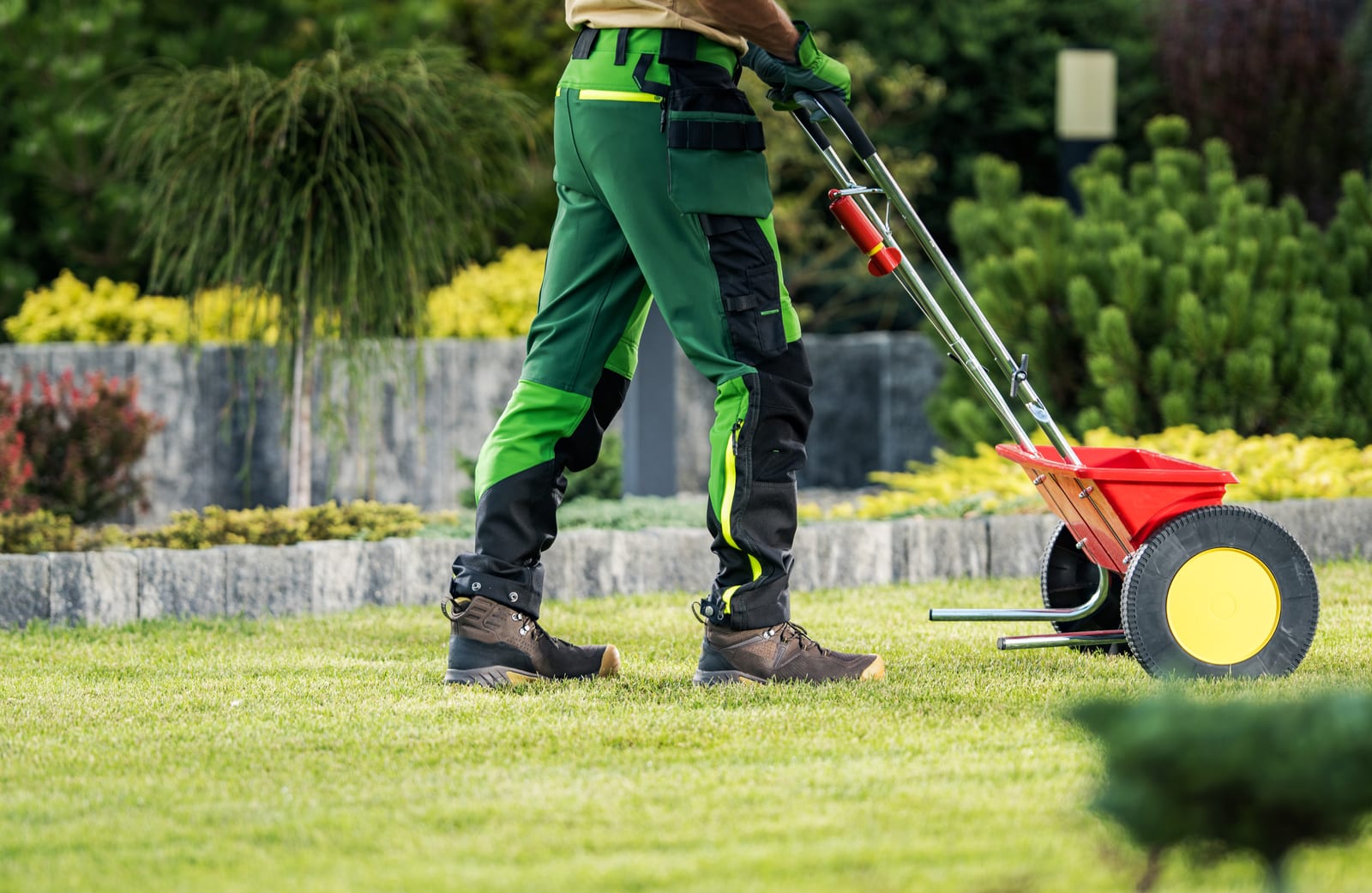
📌 Key Takeaway: Profitability comes from how well you use every hour on the route. The best schedules reduce dead time, protect service quality, and keep revenue flowing without stretching crews thin.
Scheduling for Profitability: Time vs. Revenue Balance
In lawn care, scheduling is a profit decision, not a clerical one. Every route choice affects labor, fuel, customer satisfaction, and how many productive stops a crew can complete in a day. The companies that win treat scheduling as part of operations and billing, not as an isolated calendar task.
That is where EZ Lawn Biller fits in. It gives lawn companies complete lawn service management software for billing, routing, treatment tracking, visit reports, mobile work, reports, payroll, QuickBooks integration, and customer portal access. When those pieces work together, it becomes easier to keep schedules tight and revenue aligned with actual work completed.
Why Scheduling Shapes Profit
Scheduling controls how much of the day turns into billable work. A route with short drive times, clear service order, and predictable recurring stops keeps crews productive. A route with gaps, backtracking, and last-minute reshuffling burns time that never comes back.
That matters because labor is one of the few costs you cannot ignore. If a crew spends too much time driving between stops or waiting on unclear assignments, the business still pays wages while output falls. Good scheduling protects margin by making each hour count.
It also improves service consistency. Customers notice when crews arrive in a reliable window and complete work without confusion. That kind of consistency supports retention, which keeps recurring revenue stable through the season.
What Ineffective Scheduling Really Costs
Poor scheduling creates a chain reaction. Missed appointments frustrate customers. Overlapping assignments slow crews down. Unplanned travel time increases fuel use and cuts into the number of properties a team can cover.
A concrete example makes this easy to see. Imagine a crew finishes a morning stop and then has to cross town for the next one because the route was built around whatever was booked first instead of geography. The team spends time in traffic, the afternoon starts late, and the remaining stops get pushed or rushed. One bad routing choice can turn into a day of lost efficiency and unhappy customers.
That is why weak scheduling is not just an inconvenience. It directly affects revenue, because every wasted hour reduces the amount of service the business can deliver and bill for.
Strategic Scheduling Turns Time into Revenue
The strongest schedules are built around demand patterns, not guesswork. Spring often brings heavier service volume, while other parts of the season call for tighter route discipline and better labor planning. If you know when demand rises, you can staff and schedule accordingly instead of reacting after the calendar is already overloaded.
Historical service data helps here. When a company reviews past routes, customer frequency, and seasonal workload, it can see which times of year need more capacity and which accounts fit best together on the same day. EZ Lawn Biller supports that kind of planning by keeping service history, appointments, and customer records in one place.
That same visibility helps owners decide where to add work and where to hold back. Filling a calendar is not enough. The goal is to fill it with the right work in the right order so the day produces more revenue with less waste.
Technology Makes Scheduling Easier to Control
Software matters because manual scheduling breaks down fast as a business grows. A paper calendar or spreadsheet can work for a small operation, but it becomes harder to manage once routes expand, customers expect updates, and crews need live changes during the day.
A lawn service app gives owners and crews a better way to stay aligned. Technicians can see assignments, update job status, and communicate changes without waiting for someone in the office to manually relay every detail. That keeps the schedule current and reduces confusion when weather, traffic, or customer requests change the plan.
Automation also removes a lot of repetitive work. Reminders reduce no-shows. Service tracking makes it easier to confirm what was completed. Reporting helps owners see which routes are performing well and which ones need adjustment. These are small efficiencies on their own, but together they protect the schedule from turning into chaos.
Best Practices for Efficient Scheduling
Good scheduling starts with visibility. Everyone involved needs a clear view of the day so the office, technicians, and customers are all working from the same plan. If the schedule is hard to read, it is hard to manage.
Flexibility matters too. A lawn business will always face occasional changes, whether from weather, customer reschedules, or urgent requests. The schedule should be structured enough to stay efficient but flexible enough to absorb those changes without unraveling the whole route.
Automation should handle the repetitive parts of the process. EZ Lawn Biller can help automate reminders and track service completion, which cuts down on missed steps and manual errors. That saves time and keeps operations moving.
The schedule should also be reviewed often. A route that looked efficient last season may not be efficient now if customer mix, geography, or crew size has changed. Regular review keeps the business from carrying old inefficiencies forward.
Finally, the team has to understand why scheduling matters. When crew members see how route order, timing, and communication affect the company’s profit, they make better decisions in the field. That shared understanding makes the whole operation smoother.
Scheduling Also Builds Customer Trust
Reliable scheduling is one of the easiest ways to strengthen client relationships. Customers want to know their service will happen when expected and that their property will be handled consistently. When that happens, trust builds naturally.
Personalization helps as well. Some customers care about preferred service windows or recurring timing. A lawn service app can store those preferences and make it easier to honor them without creating extra manual work. That kind of attention makes the business feel organized and responsive.
Communication is part of the same picture. If a delay happens, customers should hear about it quickly. If a schedule changes, they should not have to guess why. Clear updates reduce frustration and show that the company respects the customer’s time as much as its own.
A Real Example of Better Route Planning
Consider a lawn company that had strong demand but uneven results. The work was there, yet the schedule was built around whoever booked first and whatever crew happened to be available. Some days were efficient. Others were full of backtracking, confusion, and rushed stops at the end of the day.
After moving to EZ Lawn Biller, the company started using a more organized system for appointments, service history, and route planning. The office could see the day more clearly, technicians knew what to do next, and customers got better communication. The biggest change was not a flashy feature. It was the removal of friction.
That kind of improvement is common when a business replaces scattered scheduling habits with a system built for lawn service. The schedule becomes easier to trust, the crew spends more time working, and the owner has a clearer view of where revenue is coming from.
Building a Schedule That Supports Profitability
Profitability comes from consistency. A schedule that keeps crews moving, customers informed, and routes organized produces better results than one that simply stays full on paper. The best lawn companies treat scheduling as part of the revenue engine.
That is why tools like EZ Lawn Biller matter. With complete lawn service management software, owners can connect routing, billing, treatment tracking, visit reports, mobile work, reports, payroll, QuickBooks integration, and the customer portal in one system. That connection gives the business more control over time, which is the first step toward protecting revenue.
If your schedule is working against you, the fix is not more scrambling. It is a better system, a clearer route, and a tighter link between the work you plan and the money you earn.
Frequently Asked Questions
Why does the way I schedule routes affect profit so much in lawn care? Scheduling changes how much of each day turns into billable work. When routes reduce drive time, avoid backtracking, and keep service order clear, your crews spend more time completing jobs and less time in transit. That helps you protect labor margin, control fuel costs, and finish more productive stops per day.
What happens when I build schedules around bookings instead of geography? You can end up with crews crossing town, losing time in traffic, and starting later than planned. That often pushes the remaining stops into a rushed or delayed afternoon, which lowers output and increases the chance of customer frustration. A route should be organized to match geography first so the day stays efficient and predictable.
How does scheduling affect customer retention, not just daily operations? Reliable scheduling helps crews arrive in a consistent window and complete work without confusion. Customers notice when service is predictable and smooth, and that consistency supports retention. Keeping recurring customers satisfied also helps stabilize revenue across the season.
How can lawn service software help connect scheduling with revenue? You want scheduling tied to billing, routing, treatment tracking, visit reports, mobile work, reports, payroll, QuickBooks integration, and customer portal access. When those pieces work together, it becomes easier to keep schedules aligned with actual work completed and revenue aligned with what was delivered. That gives you better control over operations and fewer gaps between field work and billing.