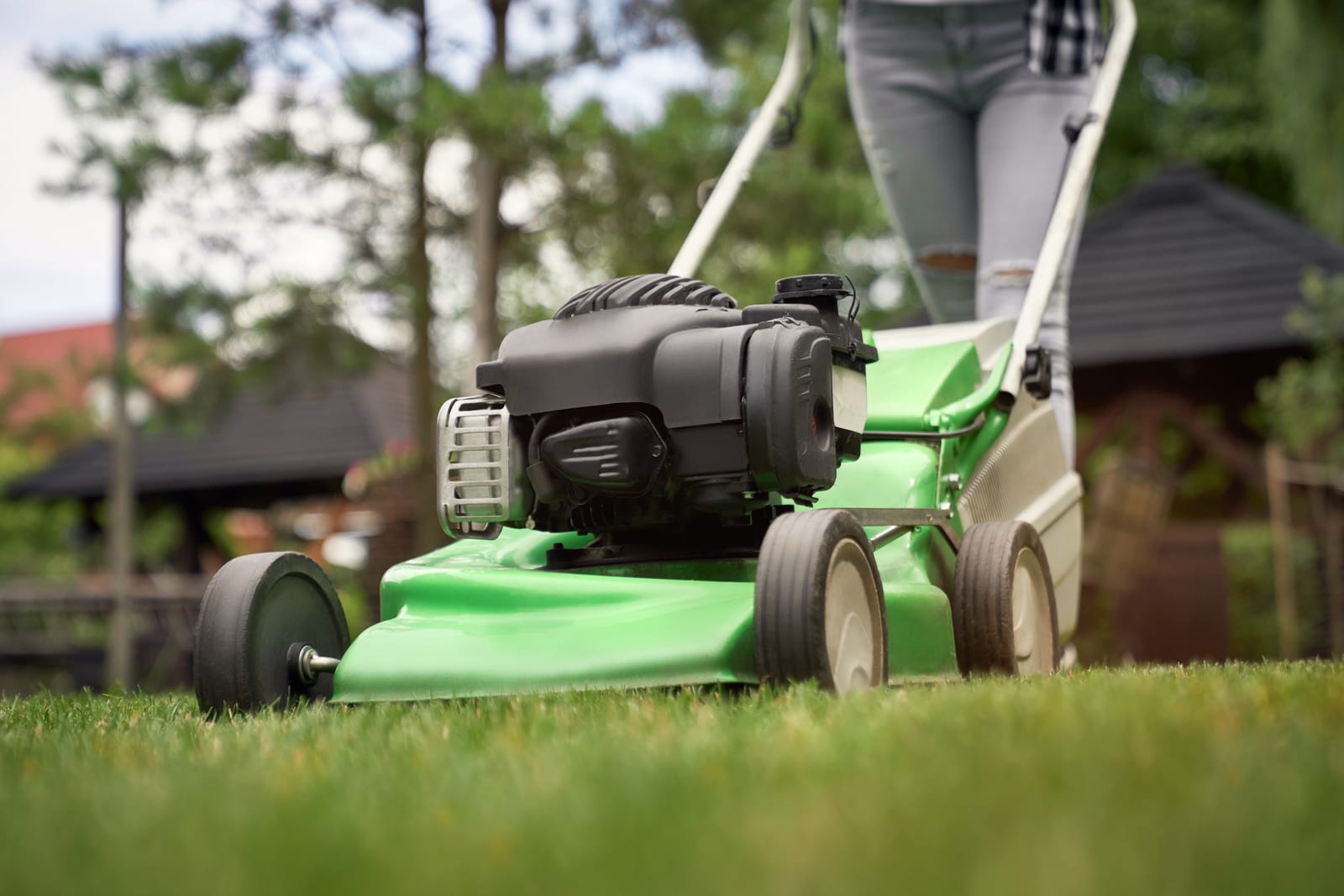
📌 Key Takeaway: Workplace safety in lawn care depends on training, routine risk checks, the right protective gear, and clear reporting. Treat safety as an operating system, not a side task, and your crew will work more confidently and consistently.
Managing Workplace Safety in Lawn Care Operations
Workplace safety in lawn care is a day-to-day management issue, not just a compliance checkbox. Crews work around mowers, trimmers, blowers, uneven ground, changing weather, and repeated physical strain. If safety is handled casually, small mistakes turn into injuries, missed routes, and frustrated customers. If it is handled well, the business runs cleaner and the crew stays productive.
This article covers the core safety practices lawn care operators need: understanding the real risks, training workers properly, conducting risk assessments, using PPE correctly, handling chemicals with care, and using technology to keep everyone aligned. The goal is simple: reduce preventable incidents without slowing the work down.
The risks are built into the job
Lawn care crews face a mix of hazards every day. Equipment can kick back debris, blades can cut, and long hours of repetitive motion can wear workers down. Add heat, wet ground, traffic near curbside properties, and rushed schedules, and the risk rises fast.
A common mistake is assuming experience alone keeps people safe. It does not. A worker who has handled equipment for years can still get hurt if a guard is missing, a trailer is loaded badly, or the crew skips a basic pre-check. The danger is not abstract. It shows up in the kind of injuries that interrupt routes and drive up replacement labor.
The right response starts with awareness. Supervisors need to know where the work is most likely to go wrong, and crews need to understand why those risks matter before they step onto the property. Once the team sees safety as part of the work, better habits follow.
Training turns safety into a habit
Good safety programs teach people what to do before they need to do it. That means more than handing out a policy sheet. Training should cover equipment operation, personal protective equipment, hazard awareness, and emergency response in a way that matches the actual services your company performs.
Pre-operation checks belong at the center of that training. Workers should know how to inspect equipment, confirm guards and controls are in place, and spot warning signs before starting a job. They also need to know how to stop work when conditions change. A wet slope, a damaged tool, or a blocked work area can make a routine stop unsafe in seconds.
Refresher training matters just as much as the initial session. People forget details, shortcuts creep in, and new hires learn by watching the rest of the crew. Regular safety meetings keep the standards visible. They also give employees a place to raise concerns before those concerns become incidents.
A real-world example makes this clear. Imagine a crew that trims a neighborhood route every week and uses the same equipment without incident for months. One morning, a new worker notices a loose guard on a trimmer but says nothing because the team is already behind schedule. The job gets done faster, but the exposed part leads to a preventable injury. That kind of problem is exactly why training must include both equipment checks and the expectation to stop work when something looks wrong.
Risk assessments keep hazards from hiding in plain sight
Safety improves when you stop guessing and start inspecting. A risk assessment gives lawn care operators a structured way to find hazards, judge how serious they are, and choose the right controls. It should be a working document, not something stored and forgotten.
The process starts with a walk-through. Look at the property, the trailer, the staging area, chemical storage, and the equipment being used that day. Uneven terrain, cluttered loading areas, unsecured materials, and poor visibility can all create problems. Once you see the hazards, evaluate how likely they are to cause an incident and what the consequences would be if they do.
From there, choose controls that actually fit the job. Some risks call for better equipment. Others call for changes in workflow, clearer crew roles, or more targeted training. The key is to act on the assessment, not just document it.
Then revisit the findings. Routes change, equipment wears out, and seasonal demands shift. A hazard that was manageable last month can become a serious issue after a service change or a new crew assignment. Regular review keeps the assessment useful.
PPE only works when crews use it correctly
Personal protective equipment is the last line of defense, but it is still essential. Gloves, safety glasses, hearing protection, and sturdy footwear all help lower the chance that a routine task turns into an injury.
The details matter. Eye protection is important when debris can fly from mowers or trimmers. Gloves help when handling tools, lifting materials, or dealing with sharp edges. Hearing protection matters on loud equipment, especially during long days when noise exposure stacks up. Footwear should support traction and stability, not just look rugged.
Employers cannot assume that issuing PPE is enough. Workers need to know when each piece should be worn, how to use it properly, and when to replace damaged gear. If PPE is uncomfortable, poorly fitted, or missing from the truck, the crew will skip it. Safety programs work only when the gear is available and the expectation is enforced.
Chemical safety needs clear rules
Lawn care companies use products that require care. Fertilizers, pesticides, and other treatments can create health risks if they are stored, handled, or applied carelessly. Crews need simple, repeatable rules that reduce confusion in the field.
Training should cover product labels, storage practices, handling procedures, and what to do if a spill or exposure occurs. Workers should know where materials belong, how to protect themselves during application, and how to respond when something goes wrong. Emergency response cannot be improvised after the fact.
This is another place where consistency matters. If one truck stores products properly and another does not, the business has a weak link. Standard procedures make it easier for supervisors to verify that every crew is working the same way. That consistency protects workers and also helps the company avoid avoidable disruptions.
Technology helps crews report problems faster
Technology can make safety easier to manage because it removes friction from communication. When crews can report incidents, near misses, or equipment issues quickly, managers can respond before the same problem repeats elsewhere.
That is where software becomes useful as part of the broader operation. EZ Lawn Biller is complete lawn service management software, and tools like the mobile app, visit reports, routing, and reports help teams stay organized in the field. If a crew notices a recurring safety issue, a damaged tool, or a problem on a specific route, that information can be captured and reviewed instead of getting lost in a text thread or forgotten at the end of the day.
Technology also supports the administrative side of safety. Training sessions can be scheduled, reminders can go out, and managers can track whether follow-up actions were completed. When the process is visible, safety becomes easier to enforce. That reduces drift and keeps crews aligned.
Safety culture comes from leadership, not slogans
A strong safety culture is built through repetition. Crews watch what management tolerates. If leaders ignore shortcuts, workers learn that speed matters more than procedure. If leaders stop work to fix a hazard, workers learn that safety is part of the standard.
That means management has to model the behavior it expects. Supervisors should speak plainly about safety, enforce the rules consistently, and make it normal for workers to report concerns. When people believe they will be blamed for speaking up, they stay silent. When they know concerns will be taken seriously, they report problems earlier.
Recognition also helps. Safe behavior should be visible, not assumed. A crew member who catches a hazard before it causes harm has done something valuable. A team that follows procedure under pressure deserves the same kind of attention. That kind of reinforcement makes safety part of the culture instead of a one-time training topic.
Policies only work when they stay current
Safety policies need the same kind of maintenance as equipment. A policy written for last season’s routes or last year’s tools can fall behind quickly. New services, new gear, and new regulations all change what crews need to know.
A regular review schedule keeps policies from going stale. During that review, managers should check whether procedures still match daily operations and whether employees are actually following them. Crew feedback is useful here because the people doing the work often see the gaps first.
This is also the time to simplify. If a policy is too long or too vague, it will not be used in the field. Clear, direct instructions are easier to teach, easier to remember, and easier to enforce. Good safety policy should help the crew move faster and safer at the same time.
Safety protects the business as well as the crew
Workplace safety in lawn care is about people first, but it also protects the business. Fewer incidents mean fewer disruptions, steadier service, and a more professional operation. Customers notice when crews are organized, prepared, and consistent.
The companies that handle safety well do not treat it as a burden. They build it into training, equipment checks, crew communication, and daily management. That approach reduces avoidable problems and supports the kind of dependable service that keeps routes profitable.
If you want safer operations and tighter field coordination, use tools that support both. lawn service software helps keep the business organized while your team stays focused on safe, consistent work.
Frequently Asked Questions
Why is workplace safety such a day-to-day management issue in lawn care? Because lawn care crews face hazards every day from mowers, trimmers, blowers, uneven ground, weather, traffic, and repetitive physical strain. If safety is treated casually, small mistakes can quickly lead to injuries, route disruptions, and unhappy customers. Managing it well keeps crews productive and reduces preventable incidents.
What are the main safety risks lawn care crews need to watch for? The biggest risks come from equipment, conditions, and pace of work. Blades can cut, debris can be kicked back, repetitive motion can wear workers down, and heat, wet ground, curbside traffic, and rushed schedules all make accidents more likely. Experience alone does not eliminate those risks, so crews need consistent awareness and pre-checks.
What should safety training for lawn care workers actually include? Training should go beyond handing out a policy sheet and cover equipment operation, PPE, hazard awareness, and emergency response. It should also teach workers how to inspect equipment before use, confirm guards and controls are in place, and recognize warning signs of problems. The most effective training is tied to the actual services your crews perform.
How can technology help keep lawn care crews safer? Technology can help supervisors and crews stay aligned so safety steps are less likely to be skipped. It supports communication around task updates, hazard awareness, and expectations for pre-checks, PPE, and work practices. Used well, it helps safety become part of the workflow instead of an extra task that slows people down.