📌 Key Takeaway: Weather delays are part of lawn service. Customers usually accept them when you communicate early, explain the reason clearly, and give a realistic plan for when work will resume.
Managing weather delays well protects your schedule and your reputation. Rain, snow, and extreme heat can shut down mowing or treatment work for a day or longer, but the real damage usually comes from silence. When customers do not know what is happening, they assume their route was forgotten. When they get a clear update, they are far more likely to stay patient.
Why weather delays create trust issues
Weather interrupts lawn work in predictable ways, but customers experience the delay as uncertainty. A route may shift because a field is too wet, a treatment cannot be applied properly, or crew safety becomes the priority. The service problem is temporary. The communication problem becomes permanent if you handle it poorly.
That is why weather delays are less about the forecast and more about expectations. If customers know bad weather can push service back, they are prepared for it. If they hear nothing until the truck never shows, frustration grows quickly. Clear communication turns a delay into a managed change instead of a failed promise.
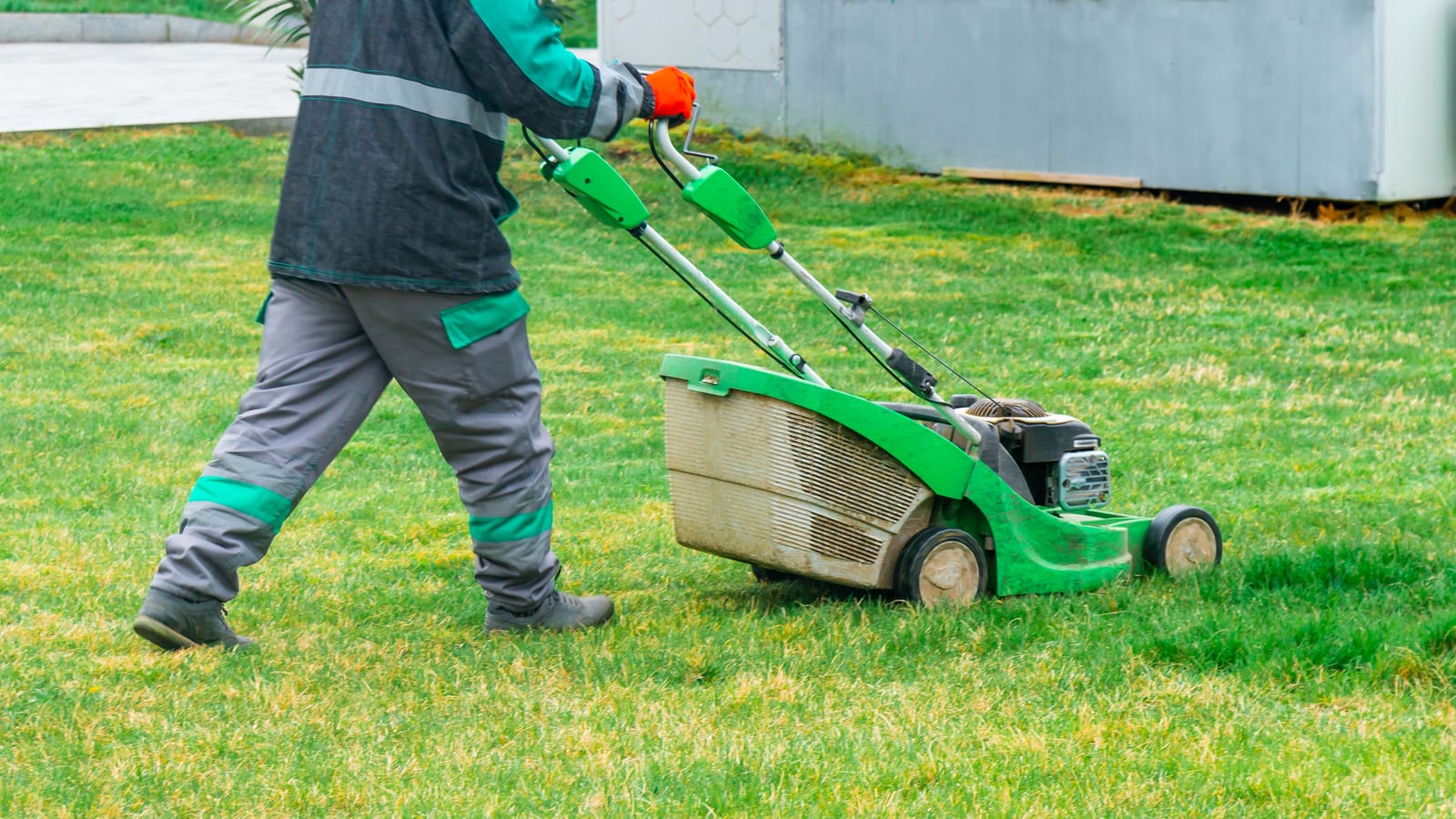
A practical example makes this easy to see. Imagine a Monday route gets hit with steady rain overnight. The crew can still work the dry properties later in the week, but the wet lawns have to wait. If you text those customers that morning, explain that the route is moving because conditions are too wet, and give them the next likely service window, most will adjust without complaint. If you stay quiet until the week is over, the same customers may call thinking they were skipped. The work delay is identical, but the customer reaction is completely different.
Build communication around the weather, not around excuses
The best customer communication is direct. Explain what happened, what it affects, and what happens next. Do not over-explain the forecast or apologize so much that the message gets buried. Customers want a simple answer and a clear next step.
Proactive updates matter most. If the weather looks bad enough to disrupt the route, let customers know before they ask. A short text or email can say that services may be delayed because of weather and that you will update them once conditions improve. That kind of message shows control. It tells customers you are watching the schedule and managing the route, not reacting late.
Personalization helps too. A customer with a treatment scheduled may care about different details than a customer waiting on mowing or cleanup. Tailor the message to the service that is affected. That small adjustment makes the update feel specific instead of generic, and it shows that you understand the job, not just the calendar.
Technology can make this easier without adding office work. EZ Lawn Biller helps manage customer details and automate notifications when weather changes disrupt the schedule. That keeps the communication consistent, which matters when a storm pushes back several routes at once.
Plan for delays before the weather hits
A contingency plan removes guesswork from bad weather. When the forecast changes, your team should already know how to respond, which routes get moved, and how customers will hear about it. Without that plan, every delay becomes a scramble.
Flexible scheduling is the foundation. Your calendar needs enough room to shift routes without creating a chain reaction for the rest of the week. If you can move service efficiently, you can recover faster after a weather event and keep the route density you need to stay profitable.
Service prioritization also matters. Some customers may need to be serviced first because they have been waiting the longest or because their property conditions make the delay more noticeable. Whatever rule you use, apply it consistently and explain it clearly. Customers are more patient when they understand there is a fair system behind the schedule.
Backup work can also protect productivity. If mowing is off the table, the day may still support other tasks such as landscape maintenance or soil testing. Having alternate work ready helps crews stay productive instead of losing the entire day to a weather shutdown.
Set expectations before a delay ever happens
Customers are easier to manage when they already know how your business handles weather. The first conversation should include the fact that weather can affect service timing. That single expectation changes how they interpret later updates.
When you set that standard early, you are not surprising customers during a disruption. You are reminding them of a policy they already heard. This is especially important for recurring lawn care, where customers expect steady service but still need realistic timing around rain, heat, and seasonal conditions.
Follow-up matters after the delay too. Once the route resumes, send a brief update that confirms the new service timing and thanks the customer for their patience. That closes the loop and shows that the delay did not disappear into the background. Customers remember that kind of follow-through.
If a delay creates meaningful inconvenience, consider adding value in a way that fits the job. That could mean a small adjustment in the service plan or an extra level of attention when the route resumes. The goal is not to buy forgiveness. It is to show that you respect the customer’s time.
Feedback helps you improve the process. Ask customers whether the updates were clear and timely. Their responses will show you where your communication process is strong and where it still needs work.
Use software to keep updates consistent
Weather communication becomes much easier when your office and field teams work from the same system. Lawn service software gives you a central place to track customers, routes, and schedule changes so you are not trying to piece everything together manually after every storm.
EZ Lawn Biller can help automate customer notifications when a route shifts. That matters because weather delays usually affect multiple customers at once, and manual follow-up takes time you do not always have. When the software helps keep everyone informed, your team can focus on rescheduling work instead of chasing messages.
A mobile app also improves response time. Crew members can see updated schedules in the field, and the office can make changes without creating confusion. The faster your team sees the change, the faster they can communicate it to customers if needed.
Social media can support the process, but it should not replace direct communication. A public update is useful when weather affects a wide area, but individual customers still need a direct message tied to their service. Public posts build visibility. Direct updates protect trust.
Real examples show why communication matters
The strongest weather-delay strategies are simple, but they work because they are consistent. A lawn care company in Chicago dealt with a prolonged rainy season by sending proactive email updates, posting on social media, and using automated messages through its lawn service software. Customers knew the routes were shifting because conditions were poor, not because the company had lost track of them. The result was better customer satisfaction and fewer complaints during a difficult stretch.
A company in Miami used a similar approach during hurricane season. It relied on a clear contingency plan, immediate notifications, and regular updates. That gave customers a sense of control during a stressful period. They did not need perfect weather. They needed to know the company was organized and responsive.
Those examples point to the same lesson: customers forgive delays when they feel informed. They do not forgive confusion. The business that communicates well usually keeps more customers, even when weather keeps interrupting the schedule.
Strong communication protects recurring revenue
Weather will always affect lawn service. What separates a dependable operator from an unreliable one is the response. If you plan ahead, communicate early, and keep updates consistent, you protect customer trust and the recurring work that keeps the business stable.
That is where complete lawn service management software earns its place in the operation. EZ Lawn Biller supports billing, routing, treatment tracking, visit reports, the mobile app, reports, payroll, QuickBooks integration, and the customer portal, so your team can stay organized when the schedule changes. When weather forces a shift, the business that has structure recovers faster than the one that relies on memory and scattered messages.
Customers do not expect perfect weather. They expect a professional response. If you give them that, weather delays become a routine part of the business instead of a threat to it.
Related: EZ Lawn Biller
Frequently Asked Questions
How should you explain a weather delay to customers without sounding like you are making excuses? Keep the message direct and practical. Tell customers what happened, what part of the service is affected, and what happens next. A short explanation focused on the delay and the next service window is usually better than a long apology or a detailed forecast discussion.
Why does silence during bad weather cause more frustration than the delay itself? Because customers experience silence as uncertainty, and uncertainty makes them think their route was forgotten. The service issue may be temporary, but the communication failure can damage trust much faster. A clear update helps customers understand that the delay is being managed, not ignored.
When should you notify customers about a weather-related route change? You should notify them proactively, before they have to ask. If the weather looks likely to disrupt the route, send a short text or email that says services may be delayed and that you will update them when conditions improve. Early communication helps set expectations and reduces complaints.
What should a weather delay update include so customers know what to expect next? It should include what caused the delay, how it affects their service, and the next likely time frame for completion. The goal is to give customers a simple answer and a clear next step. If you can confirm that the route is shifting because conditions are too wet or unsafe, customers are much more likely to stay patient.