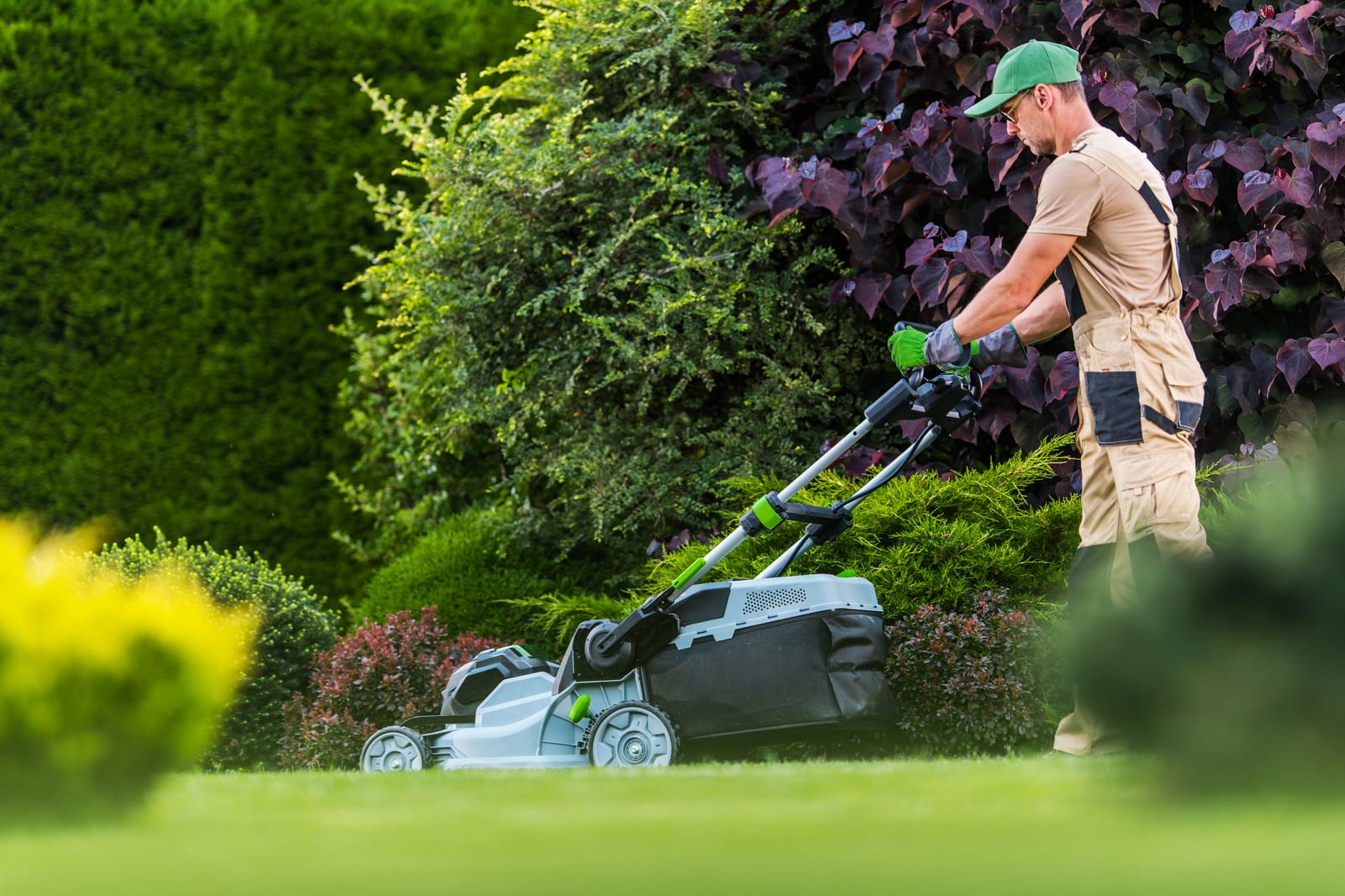
📌 Key Takeaway: Retargeting ads work because most visitors do not convert on the first visit. For a lawn service company, the goal is not to chase everyone. It is to bring back the right visitors with a message that matches what they already looked at, then make the next step simple.
Why retargeting belongs in a lawn service marketing plan
Retargeting gives you a second chance with people who already know your name. That matters in lawn service, where a homeowner often compares options, checks a few service pages, then leaves to think it over. They may still need mowing, treatment, cleanup, or seasonal work. They just did not reach the point of contacting you on the first visit.
That delay is normal. Homeowners rarely book a recurring service the moment they land on a website. They want to see whether the company looks reliable, whether the service area fits, and whether the offer feels easy to understand. Retargeting keeps your brand in front of them while that decision is still open. It is a practical way to recover demand you already paid to create.
When housing activity softens, that follow-up matters even more. The Federal Reserve Bank of St. Louis showed U.S. housing starts at 1,177.00 thousand SAAR on May 1, 2026, down 215.00 from the prior reading. You can see the series here: HOUST. Slower starts do not erase lawn demand, but they do reinforce a simple point: you need to convert the visitors you already earned.
Home price data points the same way. The Federal Reserve Bank of St. Louis reported the U.S. home price index at 332.68 on April 1, 2026, up 2.55 from the prior reading, which keeps the owner-occupant market active even when buyers are cautious. You can review that series here: CSUSHPINSA. When homeowners are still investing in their properties, retargeting helps you stay in front of the people most likely to need regular care.
The best retargeting campaigns do one thing well: they reconnect the visitor to the exact service or action they already considered. If someone read your page about recurring lawn care, the ad should not feel generic. If they viewed seasonal treatments, the ad should reflect that interest. Relevance beats volume every time.
For lawn companies that run steady routes, this is especially useful. You are not selling one-off impulse buys. You are selling recurring service, trust, and convenience. Retargeting supports that model because it keeps your company visible while the homeowner is comparing options, checking budgets, or waiting for the right time to act. It also fits the broader buying cycle around small-business ownership and service acquisitions that the SBA 7(a) loan program continues to support in its August 1, 2026, guidance.
Start with the visitor’s intent, not the ad
Strong retargeting begins with audience intent. A visitor who read your home page is not the same as a visitor who spent time on service pages, pricing, or contact forms. Each of those signals tells you something different about how far along they are.
A broad site visitor usually needs a reminder. They may not know enough about your company yet. Someone who viewed a specific service page needs a more focused message. They already showed interest, so the ad should reduce friction. A form abandoner is even closer to conversion and needs a straightforward reason to return.
That is why a single retargeting message rarely performs as well as a set of segmented messages. The more closely the ad matches the page visit, the less work the homeowner has to do to remember why they clicked in the first place. That shortens the path back to your site.
This is also where lawn service companies gain an advantage over generic businesses. Your services already map to clear customer needs: mowing, treatment, cleanup, and seasonal work. Those are easy to segment. If a visitor looked at treatment plans, show treatment messaging. If they explored recurring service, show the benefit of steady maintenance and consistent scheduling. The ad should feel like a continuation of the first visit, not a reset.
Build retargeting audiences around meaningful actions
Audience design is the foundation of the campaign. Without it, you end up showing the same message to everyone and wasting impressions on people who were never close to booking.
Think in terms of actions. A visitor who spent time on several service pages deserves a different follow-up than someone who bounced after a few seconds. A person who visited your contact page clearly showed stronger intent than a casual reader. If you have quote or sign-up steps, those are the highest-value segments of all.
You can also separate homeowners by service interest. Someone looking at mowing usually wants recurring maintenance and route reliability. Someone looking at treatment wants timing, consistency, and proof that the company can stay on schedule. Someone exploring cleanup or seasonal work may need a reminder at the exact point of the season when the service matters most.
That structure gives you control. It lets you spend more on visitors who already signaled intent and less on casual traffic. It also helps your message stay specific. A homeowner who saw a treatment page should not see a generic “learn more” ad. They should see a message that speaks directly to the service they already considered.
Good segmentation also protects your brand. Retargeting becomes annoying when it feels disconnected from the visit. It becomes useful when it feels like a reminder from a company that paid attention.
Write ads that answer the question left behind
The best retargeting ad closes the gap between curiosity and action. It does that by answering the question the visitor probably had when they left.
If the question was “Can I trust this company?”, the ad should reinforce reliability. If the question was “Do they handle my kind of work?”, the ad should restate the service clearly. If the question was “What happens after I sign up?”, the ad should make the next step obvious. The message should remove hesitation, not pile on more information.
Keep the copy direct. Homeowners do not need a long explanation in a retargeting ad. They need a clear reason to return. One strong benefit, one clear service, and one next step are enough. A short message that reflects the page they visited will usually outperform a clever but vague headline.
For lawn service companies, the most effective ad language usually points to consistency, convenience, and dependable scheduling. Those themes fit recurring work. They also match what homeowners want from a service provider: someone who shows up, communicates well, and makes maintenance easy to manage.
Images should support the same idea. Use a visual that reflects the service or the outcome, not a random stock image. A neat residential lawn, a crew working a route, or a service-specific visual works better than something decorative with no connection to the offer. Relevance in the image matters just as much as relevance in the copy.
Match the message to the stage of the buying decision
A visitor who has just discovered your company needs a different nudge than someone who was almost ready to book. Retargeting works best when the message changes with the stage of the decision.
Early-stage visitors usually need reassurance. They are still evaluating whether your company is worth a closer look. Ads for that group should emphasize the basics: the services you handle, the kinds of properties you serve, and the ease of getting started. Do not push too hard. Bring them back to the site and let the web page do the rest.
Mid-stage visitors need specificity. If they already looked at service descriptions, use ads that highlight those exact services and make the value easy to recognize. The goal is to remind them that you are a fit, not to reintroduce the business from scratch.
Late-stage visitors need a frictionless path. If someone reached a contact form or pricing page and left, the ad should focus on the action they nearly completed. That might mean encouraging them to request service again, finish a form, or review the service details one more time. At that point, the most effective ad is the one that makes the return feel simple.
This is where the landing page matters too. Retargeting ads do not work in isolation. If the ad promises one thing and the landing page feels unclear, the visitor will leave again. The message has to carry through from ad to page to action.
Use timing and frequency with discipline
Retargeting should feel timely, not intrusive. If you wait too long, the visitor forgets the company. If you hit them too often, the ad becomes background noise. The right balance keeps your brand visible without wearing out the audience.
Start soon after the visit while the company is still familiar. That first reminder is usually the most valuable because the click memory is fresh. A homeowner who saw your site yesterday is easier to bring back than one who saw it three weeks ago and has already moved on.
Frequency matters just as much. Show enough ads to stay visible, but not so many that people feel chased. Fatigue hurts performance because it turns a reminder into an annoyance. A steady, controlled presence is better than a loud burst that burns through your audience.
Seasonality also matters in lawn service. Some services are tied to specific times of year, and retargeting should reflect that timing. If the homeowner was already exploring a seasonal service, the ad should appear when the need is most relevant. Timing the message around the service calendar makes the ad feel useful, not random.
Measure what brings visitors back
Retargeting is only useful if you can tell whether it is recovering lost traffic and moving people toward action. That means watching the right metrics and using them to improve the campaign.
Clicks matter, but they are only the beginning. What matters more is whether the people who click actually return to the site and take the next step. If the ads get attention but do not drive meaningful visits, the message is off. If the visits return but no one contacts you, the landing page or offer needs work.
Look at which audience segments respond best. A treatment audience may behave differently from a mowing audience. A contact-page abandoner may need a more direct message than a general visitor. Those patterns tell you where to refine your copy and where to cut waste.
Testing should be part of the process. Try different headlines, different service angles, and different calls to action. The goal is not to guess which version sounds best. It is to find which version brings back qualified visitors. Keep the changes small enough that you can tell what actually moved the result.
Over time, the data should point you toward simpler and stronger messaging. Good retargeting usually gets less flashy as it improves. It becomes clearer, tighter, and more aligned with what the visitor already wanted.
Connect retargeting to the rest of your marketing system
Retargeting performs better when it supports the rest of your marketing instead of operating alone. A visitor may see your site, later see your ad, then receive a follow-up message that reinforces the same offer. That repetition builds familiarity and makes the business feel established.
Email can work alongside retargeting when someone has already shared contact information. Social content can support the same themes too. When every touchpoint points to the same service and the same next step, the homeowner gets a cleaner experience. They do not have to decode a different message at every turn.
For lawn service companies, this coordination is especially useful around seasonal promotions and recurring work. If your site, ads, and follow-up all point to the same service at the same time, the homeowner sees a company that is organized and ready to serve. That matters in a business built on routes, timing, and repeat visits.
The same principle applies inside your operations. Marketing gets the lead back, but the service experience closes the loop. If your scheduling, billing, and customer communication are organized, the homeowner’s confidence carries through after the click. A strong front end and a strong back end belong together.
That is one reason a system like EZ Lawn Biller billing and payments fits so naturally into a lawn service operation. Retargeting brings the homeowner back. Clear statement-based billing, payment options, and organized account management help keep that customer relationship stable after the sale. It also gives operators a cleaner path from renewed interest to a signed-up account, which is especially useful when the SBA 7(a) loan program is keeping small-business acquisitions active in its August 1, 2026, guidance.
Avoid the mistakes that waste ad spend
Retargeting fails when it becomes lazy. The most common mistake is treating every visitor the same. That produces generic ads that do not match intent, and generic ads are easy to ignore.
Another mistake is overexposure. When the same person sees the same ad too often, the campaign stops feeling like a reminder and starts feeling like pressure. That can damage trust, which is the opposite of what a service business needs.
A third mistake is weak alignment between ad and landing page. If the ad promises a specific service or benefit, the landing page must deliver it immediately. Otherwise the visitor has to hunt for the point of the page, and most will leave before they do.
Some campaigns also fail because they try to do too much at once. A retargeting ad is not a full sales pitch. It is a nudge. Keep the goal narrow. Bring the visitor back, reinforce the service, and make the next action obvious.
The cleanest campaigns respect the homeowner’s attention. They show up at the right time, with the right message, at a controlled pace. That is how you turn lost traffic into another chance at a sale.
Retargeting works best when it supports a steady business
Lawn service is built on recurring demand. Homeowners need ongoing maintenance, seasonal attention, and reliable follow-through. Retargeting fits that reality because it helps you recover visitors who were already interested but not ready to act yet.
The companies that win with retargeting are usually the ones that keep the message specific and the operation disciplined. They do not chase every click. They focus on the right visitors, speak to the service they already wanted, and make the next step easy to complete.
That approach does more than recover a sale. It reinforces the kind of business lawn service should be: organized, dependable, and built for repeat revenue. When your marketing brings the right people back and your operations are set up to serve them well, the result is a stronger route, a steadier schedule, and a healthier customer base.
If you want to keep visitors from slipping away, build retargeting around intent, timing, and clarity. Then back it with a service experience that gives homeowners a reason to stay.
Frequently Asked Questions
Why is retargeting especially useful for lawn service companies? Retargeting works well in lawn service because most homeowners do not book on the first visit. They usually compare options, review service pages, and leave before they are ready to contact you. Retargeting keeps your company visible while they are still deciding, so you can recover interest you already paid to create.
How should you decide which visitors to retarget first? Start with intent. Someone who only visited your home page is at a different stage than someone who viewed pricing, service pages, or a contact form. The closer the visitor is to taking action, the more targeted and relevant your ad should be.
What should a retargeting ad highlight for someone who viewed a specific service page? The ad should match the exact service that visitor already explored. If they looked at recurring lawn care, show messaging about that service rather than a generic company pitch. If they viewed seasonal treatments or cleanup, the ad should reflect that interest so the message feels relevant and timely.
Why does relevance matter more than showing the ad to as many people as possible? A broad message can be ignored because it does not match what the visitor was already considering. Relevance helps you reconnect the visitor to the service or action they were already interested in, which makes the ad more effective. For recurring services, trust and convenience matter, so a focused message usually performs better than a generic one.