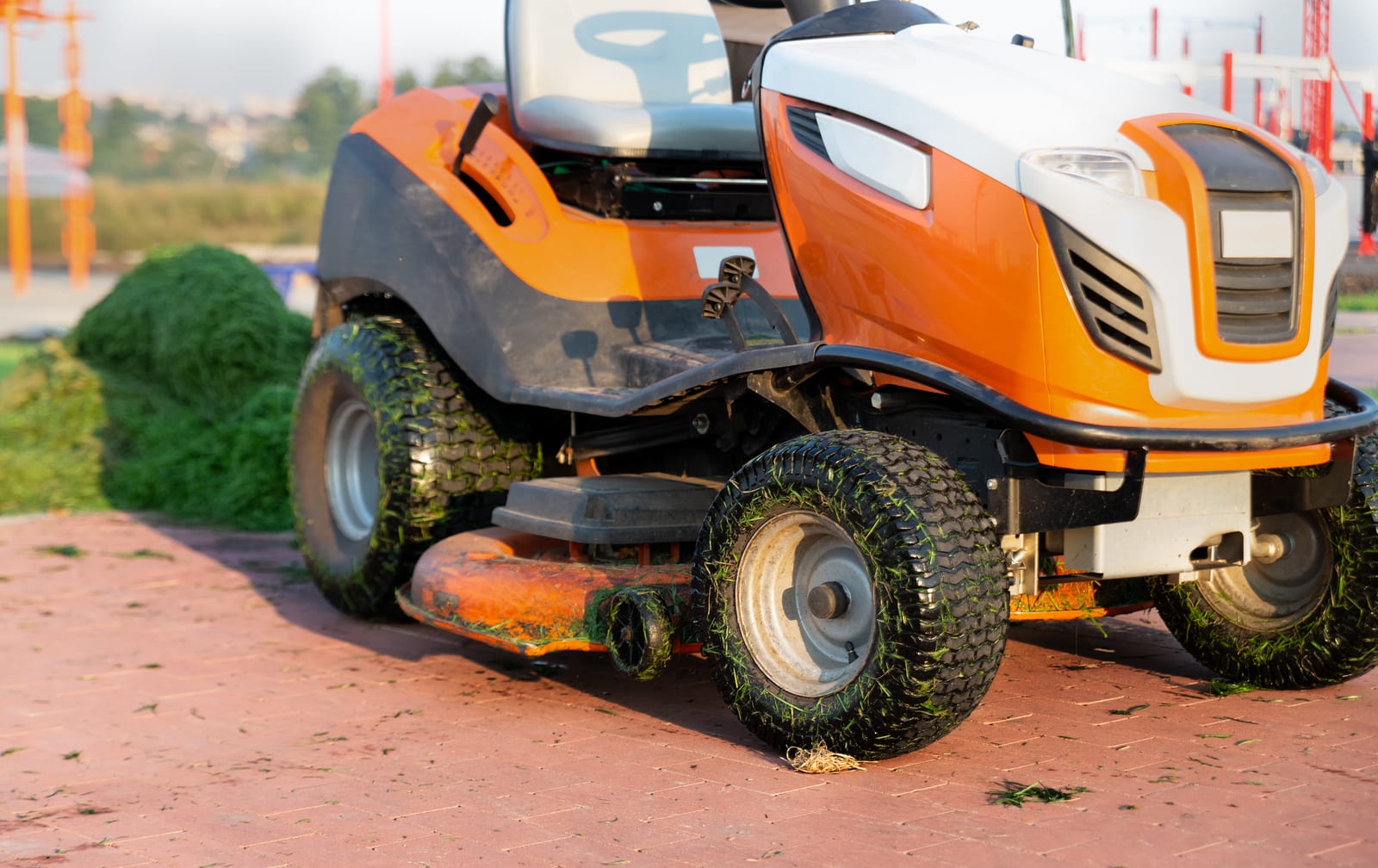
📌 Key Takeaway: Low-emission lawn equipment reduces exhaust, cuts noise, and can lower operating costs over time. The best transition is gradual: replace worn-out tools first, train the crew, and pair the new equipment with software that keeps the business organized.
How to Transition to Low-Emission Lawn Equipment
Low-emission equipment is no longer a niche choice for lawn companies that want to look green. It is a practical upgrade for operators who care about fuel costs, noise, and long-term efficiency. Electric and battery-powered tools can reduce emissions at the jobsite while giving crews a cleaner, quieter way to work.
The shift starts with the basics: know what you own, know what you can replace, and know how the new tools fit your routes. A mower that lasts all day on a full charge matters more than a brochure claim. So does whether your crew can finish a route without hunting for a charger, a spare battery, or a backup machine.
That is why this transition works best as an operations decision, not just an environmental one. A company that plans the change carefully can improve service quality, keep crews moving, and present a stronger brand to customers who notice the difference.
Why low-emission equipment matters
The first reason to make the switch is straightforward: gas-powered equipment creates exhaust and adds to local air pollution. Mowers, trimmers, and blowers all contribute to that footprint every time they run. Electric and battery-powered alternatives remove that tailpipe-style exhaust from daily work and reduce the noise that comes with gas engines.
There is also a business reason to move. Fuel, upkeep, and repairs add friction to every route. Electric tools tend to have fewer moving parts, and that usually means less routine maintenance. You still need batteries, chargers, and a replacement plan, but the operating profile is simpler than juggling fuel cans, oil, spark plugs, and carburetor issues.
The market side matters too. Customers notice when a company runs quieter equipment and talks clearly about cleaner service. That does not mean every homeowner chooses a lawn company because of emissions. It means sustainability can support trust, and trust helps win and keep accounts.
Types of low-emission lawn equipment
Not every low-emission tool serves the same purpose. The right mix depends on the size of your routes, the type of properties you serve, and how much runtime your crew needs each day.
Electric lawn mowers are the backbone of many transitions. They run more quietly than gas units and avoid direct exhaust during operation. Battery-powered versions have improved enough to handle real work across residential routes, especially when crews have a charging plan and enough battery inventory to rotate through the day.
Battery-powered trimmers and edgers are often the easiest place to start. They are lighter, easier to move around tight spaces, and well suited to detail work after mowing. Because they are used in shorter bursts, they often fit battery operations better than larger equipment.
Electric leaf blowers also play a useful role. They help crews clean hard surfaces and finish a property without the noise and fumes of gas blowers. For companies that work in neighborhoods with tight spacing or noise concerns, that difference matters.
Robotic lawn mowers sit in a different category. They are not a replacement for every route, but they can make sense in specific settings where consistent cutting matters and the property is well suited to automation. For some customers, the appeal is the precision. For others, it is the convenience.
How to transition without disrupting service
A smooth transition starts with a clear inventory. Look at your current equipment and separate what is still dependable from what is already nearing replacement. The goal is not to swap everything at once. It is to replace the oldest, least efficient tools first.
Once you know what needs to change, research equipment with real route demands in mind. Pay attention to battery life, charging time, cutting performance, and whether the tool can keep up with the work you already do. A tool that looks good in a showroom can fail on a full route if it cannot hold up under daily use.
Budget planning comes next. Low-emission equipment often carries a higher upfront cost, so the purchase needs to be tied to real operational savings. Fuel reduction, lower maintenance, and fewer breakdowns all matter, but only if you plan for the transition instead of hoping the new tools will somehow pay for themselves overnight.
A phased rollout is usually the smart move. Start with a few key pieces, test them on the right accounts, and expand once the crew understands how to use them. That gives you room to adjust charging routines, route timing, and spare equipment levels before you scale up.
Training closes the gap. The crew needs to know how to charge, store, and use the new tools correctly. They also need to understand why the company is making the change. When the team sees the practical benefits, adoption gets easier.
A real-world example makes this clear. Suppose a crew switches one truck’s most-used trimmer and blower set to battery power first. On paper, the change looks small. In practice, it can simplify the morning loadout, reduce the number of fuel-related interruptions, and show the team exactly how the new equipment behaves on the route before the company commits to a larger purchase. That kind of step-by-step rollout avoids surprises and keeps service steady.
The operational benefits go beyond emissions
Low-emission equipment can improve day-to-day work in ways customers notice immediately. Quieter operation is one of the biggest advantages. In neighborhoods with close-set homes, early appointments, or sensitive sites, less noise makes the job easier for everyone around the property.
That quiet also expands where and when you can work. Properties near schools, medical facilities, and densely packed neighborhoods often create noise pressure that gas equipment makes worse. Electric tools help reduce that friction and make scheduling more flexible.
The financial case is just as important. Fuel costs disappear from part of the equation, and maintenance can become more predictable. You still need a disciplined equipment plan, but the machine itself tends to demand less routine attention than gas-powered alternatives.
Brand reputation benefits from the shift as well. Customers often equate modern equipment with modern service. When your company can show that it invests in cleaner tools and better practices, it strengthens the message that you run a professional operation, not a loose collection of crews.
Technology helps make the transition work
New equipment works best when the rest of the business is organized too. A company trying to modernize its fleet can lose the benefit if dispatch, billing, and communication are still scattered across spreadsheets and texts. That is where EZ Lawn Biller fits into the picture as complete lawn service management software.
When routes, billing, treatment tracking, visit reports, mobile access, customer communication, and reporting live in one system, the business gets cleaner at every level. Crews know where to go. Office staff know what was done. Customers get clearer communication. The result is a tighter operation that supports the equipment change instead of fighting it.
That matters because low-emission equipment changes the pace of the day. Battery swaps, charging schedules, and route timing all need coordination. A lawn service app can help crews stay on track in real time, while the office keeps an eye on the full schedule instead of reacting to problems after the fact.
The customer side benefits too. A lawn company app and customer portal help keep communication transparent. Customers can see what was completed, review their account, and stay informed without a pile of back-and-forth messages. That kind of organization reinforces the same professionalism the greener equipment is meant to signal.
What successful transitions look like
The strongest examples of equipment transitions share the same pattern: they start with a practical business case, not a slogan. One lawn care company in Portland, Oregon, moved to a fully electric fleet and saw lower fuel costs and maintenance savings within the first year. The bigger lesson is not the headline result. It is that the company paired the equipment change with a serious operations plan.
Another landscaping service in New York City introduced battery-powered blowers and trimmers to handle work in noise-sensitive areas. The quieter setup helped the crew work without complaints and gave the business a way to serve properties that had been difficult under gas operations. That opened the door to better client feedback and stronger positioning with customers who valued the cleaner approach.
These examples show why transition planning matters. The equipment change is the visible part. The real win comes from route discipline, training, and clear communication with customers.
Your community will notice the difference
A cleaner fleet can become part of your local reputation. Homeowners, property managers, and neighborhood groups all notice when a company makes a visible effort to reduce noise and emissions. That opens the door to conversations that go beyond the job itself.
Workshops and demonstrations can help, especially if you serve an area where customers care about environmental practices. Show how the equipment works. Explain why you made the switch. Make the benefits concrete instead of abstract.
Community events and local media can extend that message even further. When you share the transition publicly, you give other operators a model to follow. That kind of leadership builds trust and helps your business stand out for the right reasons.
A stronger business comes from better systems
Low-emission equipment is one part of a modern lawn company. The other part is the system behind it. A business that can route efficiently, track work, bill accurately, and communicate clearly will always have an advantage over one that just buys new tools and hopes for the best.
That is why the equipment transition should sit inside a larger operational upgrade. Better tools reduce emissions and noise. Better software keeps the business moving, keeps the team aligned, and keeps customers informed. Together, they create a more durable company.
The lawn care business rewards operators who stay organized. A cleaner fleet, a tighter schedule, and a better management system all point in the same direction: lower friction, stronger service, and a better customer experience.
Frequently Asked Questions
How do I decide which gas-powered tools to replace first? Start with the equipment that runs most often and has the clearest battery alternative, like mowers, trimmers, and blowers. Focus on tools that affect route efficiency, fuel use, and crew noise the most. The best first replacements are the ones your team can use without creating charging or runtime problems during a normal day.
What should I check before buying battery-powered lawn equipment? You should verify whether each tool can last through a full route on a charge and whether your crew can realistically recharge or swap batteries without losing time. It is also important to think about charger access, spare battery availability, and backup equipment. A battery tool that looks good on paper is not enough if it cannot keep your team moving in the field.
Will switching to low-emission equipment really help my business, or is it mostly about being greener? It can help in both ways, but the business case is strong on its own. Electric and battery-powered tools can reduce fuel use, routine maintenance, and the hassle of managing gas, oil, spark plugs, and carburetor issues. They also make your crews quieter and can strengthen your reputation with customers who notice cleaner, more modern service.
What operational changes should I expect when moving away from gas equipment? You will need a battery and charger plan instead of a fuel and repair routine. That means building charging into your workflow, keeping spares available, and matching equipment choice to route length and property type. The transition works best when you treat it as an operations decision, because the goal is to keep crews productive while improving service quality.