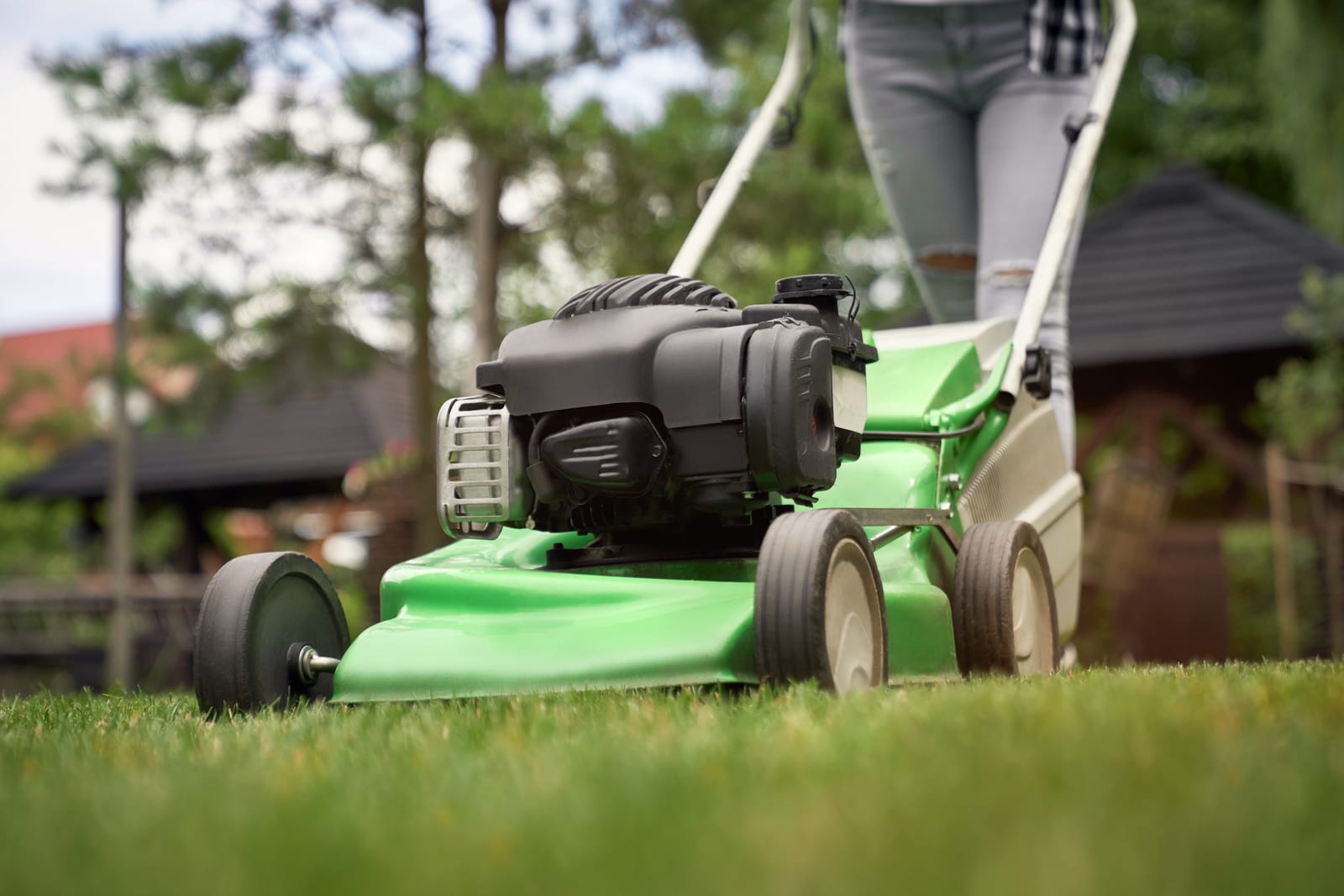
📌 Key Takeaway: Compliance in lawn care is not a side task. It touches licensing, environmental rules, employee safety, labor law, insurance, and recordkeeping. The operators who stay organized are the ones who avoid fines, protect crews, and keep growing.
Keeping a lawn care business compliant takes more than good intentions. You need the right licenses, safer work practices, clear payroll records, proper insurance, and a system for tracking the work you do. When those pieces are scattered across paper files, text messages, and memory, problems show up fast. A missed renewal or a skipped safety record can create expensive issues later. This is where complete lawn service management software like EZ Lawn Biller helps. It keeps statements, routing, treatment tracking, visit reports, the mobile app, reports, payroll, QuickBooks integration, and the customer portal in one place, so compliance work does not get buried under daily operations.
The goal is simple: build routines that make compliance part of normal operations. That way, you protect the business without slowing the crew down.
Licensing comes first
Licensing is the foundation of legal operation. Depending on where you work and what services you provide, you may need a general business license, pesticide application credentials, or other permits tied to specialized work. The exact requirements vary by state and locality, so the correct answer is never “what worked for someone else.” It is “what applies to the services my company actually sells.”
If your team applies treatments or handles regulated products, licensing matters even more. Those credentials usually require training and testing because the state wants proof that the applicator understands safe handling and proper use. That protects customers, crews, and the company itself. It also signals professionalism. A client may never ask to see a license, but they notice when your business operates like it has its house in order.
Florida is a good example. Lawn care providers there must have a Certified Pest Control Operator (CPO) license to apply certain chemicals. If a company skips that requirement, the risk is not just a warning letter. It can mean fines and the loss of the ability to operate. That is why license tracking should be part of your operating rhythm, not a one-time setup task.
Environmental rules shape daily work
Environmental compliance affects how you store products, apply treatments, and dispose of waste. Lawn care companies do not operate in a vacuum. Every treatment, every runoff risk, and every disposal decision sits inside a broader set of local and federal rules. The Environmental Protection Agency regulates pesticide and fertilizer use, and those rules affect timing, handling, and application methods.
The practical answer is documentation. Keep records of the products you use, who handled them, and what training the crew completed. When a question comes up, you want facts, not guesses. Good records also help you train new employees faster because your standards are visible instead of verbal.
Eco-friendly practices can support compliance and strengthen your positioning at the same time. Drought-resistant landscaping, careful water use, and organic lawn care options appeal to customers who care about sustainability. They also reduce the chance that your company runs afoul of avoidable environmental mistakes. In other words, responsible practices are not just a marketing angle. They are part of running a cleaner, lower-risk operation.
A real-world example makes that clear. Imagine a crew that finishes a fertilization stop late in the day and leaves the product log in the truck instead of entering it right away. The job gets done, but the record is incomplete, and nobody remembers the exact details a week later. If a regulator, customer, or manager asks what was applied and when, the answer is messy. When the crew enters treatment data before leaving the site, that risk disappears. The work stays traceable, and the business stays organized.
Safety and labor law protect the business
Employee safety is not optional in lawn care. Crews use mowers, blowers, trimmers, trailers, and treatment products in changing conditions all day long. OSHA standards exist because that environment creates real risk. Training should cover equipment use, safe handling, emergency response, and basic jobsite awareness. If people know the process, they make fewer mistakes.
Safety training should be routine, not reactive. New hires need onboarding. Experienced employees need refreshers. When incidents or near-misses happen, use them as training moments. That kind of discipline reduces injuries and shows that management takes its duty seriously.
Labor law matters just as much. Wages, hours, overtime, and worker classification all need attention. The Fair Labor Standards Act sets the baseline, and your payroll process has to follow it. Accurate records matter here too. If time entries, schedules, and pay records do not match, you create avoidable disputes. That is why payroll tools and visit records should connect to the way you actually run routes and crews.
A compliant company is usually a more stable company. Workers trust fair payroll. Crews stay longer when rules are clear. And when managers can verify who worked where and when, they can answer questions without scrambling through old notes.
Insurance is part of compliance, not an afterthought
Insurance protects the business when something goes wrong, but it also supports compliance because many states require specific coverage. General liability insurance is the starting point. It covers property damage or injuries tied to your work. Workers’ compensation is often required as well, since lawn care crews face physical risk on the job.
As the company grows, coverage needs usually expand. Commercial auto insurance becomes important when vehicles are part of daily operations. Equipment insurance can help protect against theft or damage. The right mix depends on your state, your services, and the size of your operation, so it is worth reviewing with an insurance professional instead of guessing.
The main point is that insurance should match the way you actually work. A company with a few routes and a trailer has different exposure than a larger operation with multiple crews and vehicles on the road all day. Good coverage reduces the chance that one accident turns into a long-term financial problem. It also gives you room to focus on service instead of worrying about every possible claim.
Software makes recordkeeping easier
Technology simplifies compliance because it reduces the number of places where information can get lost. A complete lawn service management system like EZ Lawn Biller helps keep statements, routing, treatment tracking, visit reports, the mobile app, reports, payroll, QuickBooks integration, and the customer portal connected. That matters because compliance depends on records that are accurate, accessible, and current.
When service details live in one system, you can track what happened on a property, what was used, who completed the work, and when the customer was billed through statement billing. That makes audits, customer questions, and internal reviews easier to handle. It also cuts down on the risk of errors caused by handwritten notes or disconnected spreadsheets.
This is especially useful when training records and job records need to be checked together. If a crew member is assigned a treatment job, the manager can confirm the visit report, the route, and the payment history without digging through separate files. The result is a cleaner operation and fewer compliance gaps.
The customer portal adds another layer of organization. Homeowners can view their statement, make payments, and stay informed without calling the office for every detail. That reduces administrative back-and-forth and keeps communication documented.
Stay current on the rules
Regulations change, and compliance breaks down when a business assumes last year’s process still works today. Staying informed means building a habit around updates. Industry newsletters, professional associations, and agency notices all help you spot changes before they become problems.
Peer networks matter too. Other lawn care operators often see changes in the field before they show up in formal guidance. Conversations with peers can alert you to new licensing issues, safety expectations, or documentation practices that are becoming standard. That does not replace official sources, but it gives you a practical edge.
Ongoing education should cover both owners and staff. Training is not only about passing inspections. It also helps your team understand why procedures exist. When employees see the reason behind a rule, they are more likely to follow it consistently. That is how compliance becomes part of the culture instead of a file on a shelf.
Build a checklist that your team actually uses
A compliance checklist turns abstract rules into daily action. Without one, owners rely on memory, and memory is unreliable when the phone is ringing, crews are moving, and customers are asking for updates. A good checklist makes responsibilities visible.
Start with the basics: licensing status, safety training, insurance coverage, environmental documentation, payroll records, and treatment logs. Then make the checklist part of your regular review process. It should not sit in a folder until a problem comes up. It should guide routine checks so issues get fixed early.
Your staff should be part of that process. When compliance is shared, it becomes easier to maintain. Crew leaders can verify training completion. Office staff can confirm records. Managers can review gaps before they become violations. That team approach strengthens accountability and makes the business harder to disrupt.
Compliance supports long-term growth
Staying compliant is not just about avoiding trouble. It is about building a lawn care business that can scale without constant fire drills. The companies that get this right do the boring work well. They track licenses, keep treatment records, document training, maintain the right insurance, and use software to keep the whole operation visible.
That approach pays off. It protects your crew, reassures customers, and makes the business easier to manage as route density grows. When your records, payments, and service data live in one system, compliance stops being a scramble and becomes part of the workflow. That is the kind of structure that helps a lawn company stay steady year after year.
Frequently Asked Questions
What licenses do I need to stay compliant in a lawn care business? You need to check the licenses and permits that apply to the specific services you sell in your state and locality. That may include a general business license, pesticide application credentials, or other permits for specialized work. If you apply treatments or handle regulated products, make sure the people doing that work have the required training and credentials.
Why is license tracking something I should build into daily operations? Because compliance problems usually come from missed renewals or overlooked requirements, not bad intentions. When license tracking is part of your routine, you reduce the chance of fines, operational disruptions, or losing the ability to work legally. It also helps your business look professional and organized to customers.
How can software help keep a lawn care business compliant? A complete lawn service management system can keep key records in one place instead of scattered across paper, texts, and memory. That includes statements, routing, treatment tracking, visit reports, payroll, reports, QuickBooks integration, and the customer portal. With those records organized, it is much easier to stay on top of compliance tasks without slowing down the crew.
Why do payroll records and work tracking matter for compliance? Clear payroll records and documented work activity help you prove what was done, when it was done, and who did it. That matters when you need to show safe work practices, verify service history, or organize reporting for the business. If those records are incomplete, small gaps can turn into expensive problems later.