📌 Key Takeaway: Route efficiency cuts fuel use, reduces emissions, and protects margins. For lawn service companies, the biggest gains come from tighter route density, better scheduling, and software that keeps crews moving in a logical order.
How to Plan Routes to Reduce Emissions and Fuel Costs
Fuel costs and emissions are tied to the same problem: wasted miles. Every unnecessary turn, backtrack, or cross-town drive burns money and adds avoidable exhaust. Route planning fixes that by putting jobs in a smarter sequence and matching daily schedules to real-world travel time.
For lawn service companies, this is not an abstract environmental idea. It is an operating decision. Crews that run dense, organized routes use less fuel, finish more work, and spend less time sitting in traffic or doubling back across town. That makes the route itself part of the margin.
The rest of this article breaks down what matters most: why route planning affects costs so directly, how technology helps, what habits improve results, and how to keep refining the system as your schedule changes.
Why Effective Route Planning Matters
Good route planning reduces deadhead miles, which are the miles that produce no revenue. When a crew drives from one side of town to the other between stops, the business pays for fuel, labor time, and vehicle wear without getting anything useful back. Tight routes eliminate that waste and make the day more predictable.
There is also a customer-service benefit. Late arrivals usually start with bad routing, not bad intentions. If a crew is forced into a chaotic schedule, every delay compounds through the rest of the day. Better routing makes arrival windows more reliable, which protects customer trust and reduces the number of awkward phone calls from the field.
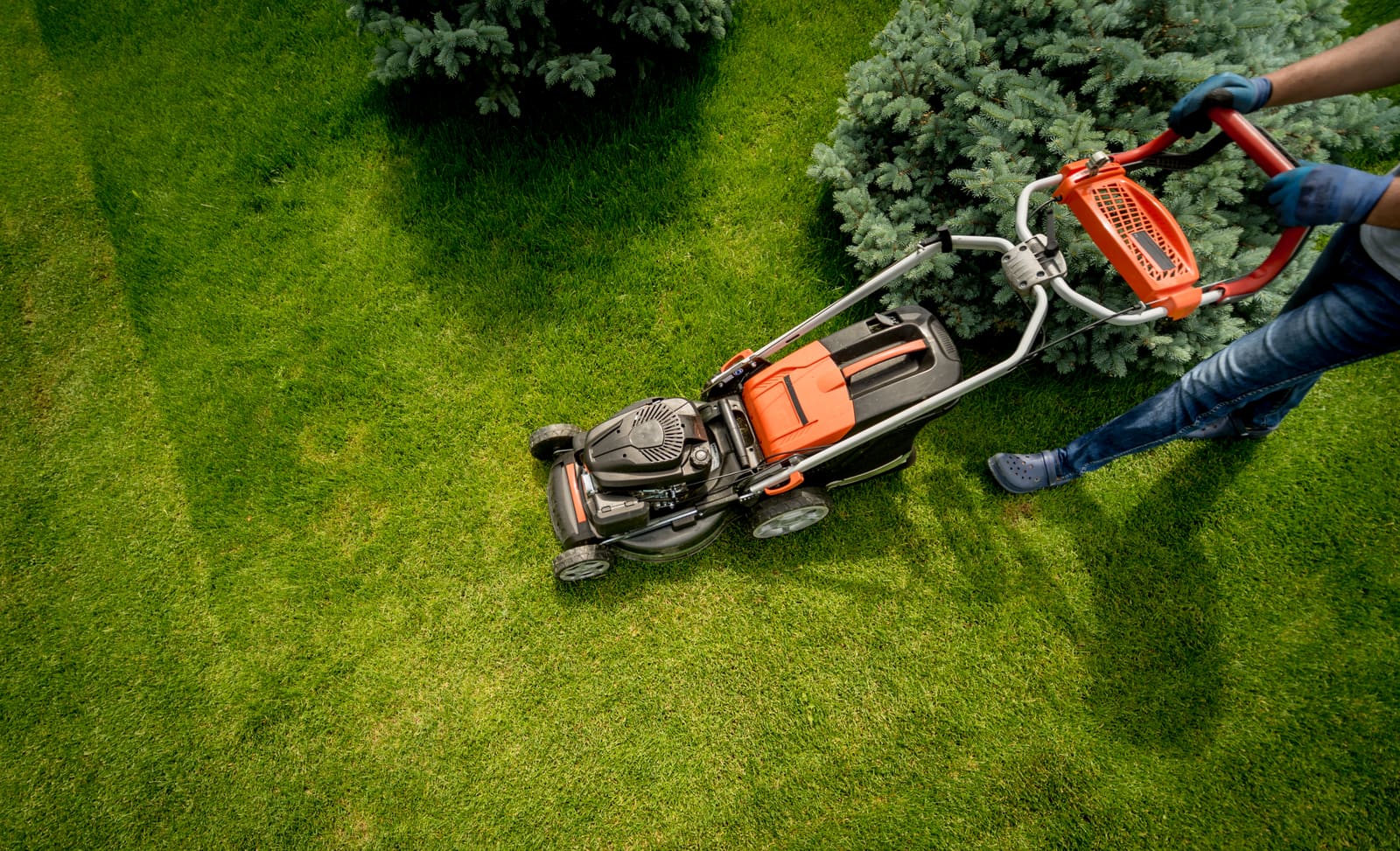
The example is easy to see in lawn care. A company that groups neighboring properties together can keep a mower on one side of town for hours instead of bouncing between neighborhoods. That saves fuel, shortens the workday, and lets the crew complete more stops without feeling rushed. The route becomes more efficient, and the schedule becomes more profitable.
Better routing also helps equipment last longer. Fewer miles mean less wear on trucks and trailers. Fewer stop-and-go trips mean fewer chances for unnecessary strain. Over time, that adds up to lower maintenance costs and fewer interruptions.
Technology Makes Route Optimization Practical
Manual route planning can work when the schedule is small, but it gets fragile fast. Once a company has multiple crews, recurring jobs, and weather delays to manage, software becomes the fastest way to keep routes organized. A routing tool can sort stops by geography, account for timing, and help dispatchers see the day in a more usable way.
That matters because the best route is not just the shortest one. It is the route that balances drive time, job length, crew capacity, and service order. Software can process those tradeoffs much faster than a whiteboard or spreadsheet can. It also reduces the chance that a dispatcher misses a better sequence hiding in the middle of the day.
For lawn service operators, that means one system can connect the schedule to the route instead of treating them as separate tasks. When the day is already built around the right geography, crews spend more time servicing properties and less time driving between them.
A concrete example is EZ Lawn Biller, which fits into the daily workflow of lawn care companies as complete lawn service management software. It helps organize service locations, support dispatching, and keep operations aligned so routes are planned with less wasted movement. That kind of operational structure is what turns route planning from a theory into a daily habit.
Best Practices That Cut Fuel Use
Software gives you the framework, but the route still improves when the schedule is built with discipline. The first rule is to consolidate nearby jobs whenever possible. If properties sit in the same area, they should usually be grouped together on the same day. That simple decision cuts travel time and reduces the chance of backtracking.
A second lever is vehicle choice. Alternative fuel and electric vehicles can lower tailpipe emissions and reduce dependence on gasoline. That transition is not right for every fleet, but it is a real option for operators who want to reduce fuel exposure and build a cleaner image for customers.
Driver habits matter too. Smooth acceleration, steady speeds, and less idling all improve fuel efficiency. None of these changes require major capital spending. They require consistency. When crews are trained to drive more deliberately, the route itself becomes more efficient because the vehicle spends less time wasting fuel between stops.
The strongest results usually come from combining these habits. A dense route with disciplined driving beats a loose route with a well-maintained truck. The structure of the day matters first, and behavior amplifies the gains.
Examples of Route Optimization in the Real World
The value of route planning shows up clearly in operations that cover a large service area. A city-wide waste management service in Phoenix, Arizona, used route planning software with GPS data from its trucks and saw lower fuel use and fewer emissions over time. That result makes sense: once the route stops wandering, every vehicle gets closer to the shortest practical path.
A lawn care company in Chicago used the Lawn Service App for route planning and scheduling. By using traffic-aware routing and better stop sequencing, it cut fuel costs and improved on-time service. That is the payoff most owners care about. A better route saves money, but it also makes the day calmer for the office and the crews.
These examples also point to a broader truth. Route optimization does not just reduce fuel use. It creates a more stable operation. When routes are organized, employees are less stressed, customers get better service, and managers spend less time fixing avoidable problems.
Training the Crew to Support the Route
Technology can only do so much if the crew ignores the plan. That is why training matters. Drivers and field staff need to understand why route discipline exists and how their habits affect both fuel costs and emissions. When people see the connection between their decisions and the company’s bottom line, they are more likely to follow the plan.
Training works best when it is practical. Show crews how idling, speeding, and unnecessary detours affect fuel use. Make the routing logic visible so the schedule feels intentional instead of arbitrary. That helps workers buy into the system instead of treating it as another office directive.
Incentives can reinforce the message. A rewards program for crews that consistently follow efficient routes or maintain strong fuel discipline gives employees a reason to care about the details. It also signals that the company values careful work, not just speed.
Involving employees in planning helps even more. Drivers often know which neighborhoods create delays, where access is difficult, and which stops should be sequenced together. When management listens to that field knowledge, routes get better because they reflect reality instead of assumptions.
Monitoring Results Keeps the Gains Real
Route planning is not a one-time project. It needs review. The schedule changes with weather, customer additions, crew changes, and seasonal demand. If you do not measure results, it is easy to drift back into inefficient habits without noticing.
Analytics from route planning software can show where fuel use, service times, and travel patterns are getting worse or better. That information helps managers spot routes that need to be tightened and crews that may need more coaching. The goal is not perfection. It is steady improvement.
It also helps to keep an eye on new tools as they become available. Route planning, reporting, and mobile field workflows keep improving, and companies that revisit their system regularly can pick up efficiencies that slower competitors miss. In lawn care, that advantage compounds because a more organized route usually means better route density, better labor utilization, and better customer retention.
A broader system like a lawn service computer program can support that process by keeping service data, scheduling, and operational records in one place. The more complete the information, the easier it is to make better routing decisions.
Strong Routes Protect Margins and the Environment
Route efficiency is one of those operational improvements that pays off in multiple directions. It lowers fuel costs, cuts emissions, reduces wear on vehicles, and makes the workday more predictable. For a lawn service company, it also supports better customer service and stronger crew productivity.
The companies that win are the ones that treat routing as part of management, not an afterthought. They use software, train crews, watch the numbers, and keep tightening the schedule. That discipline makes the business more resilient and helps absorb fuel price pressure without sacrificing service quality.
If your routes still depend on guesswork, start with the basics: group nearby jobs, reduce unnecessary drive time, and use tools that help you see the full day clearly. For lawn service operators, EZ Lawn Biller can help bring that structure into the broader workflow so routing, scheduling, and service management all work together.
Frequently Asked Questions
How does route planning lower both fuel costs and emissions at the same time? Route planning cuts wasted miles, and wasted miles are what burn fuel without creating revenue. When you reduce backtracking, cross-town driving, and unnecessary turns, you use less gas and produce less exhaust. That means the same operational change improves both your cost structure and your environmental footprint.
What does a "tight route" actually do for a lawn service business? A tight route keeps crews working in a concentrated area instead of bouncing between distant stops. That reduces deadhead miles, which saves fuel, labor time, and vehicle wear. It also helps crews finish more work in a day and makes the schedule more predictable for customers.
Why does route planning improve customer service, not just operations? Bad routing often leads to late arrivals because delays stack up as the day goes on. When stops are sequenced more intelligently, arrival windows become more reliable and crews spend less time stuck in traffic or doubling back. That creates a smoother experience for customers and reduces the need for constant updates from the field.
How does route efficiency affect equipment maintenance? Fewer miles and fewer stop-and-go trips put less strain on trucks, trailers, and other equipment. That reduces wear over time and lowers the chance of avoidable maintenance issues. In practice, better routing helps you protect assets while keeping the day running more smoothly.