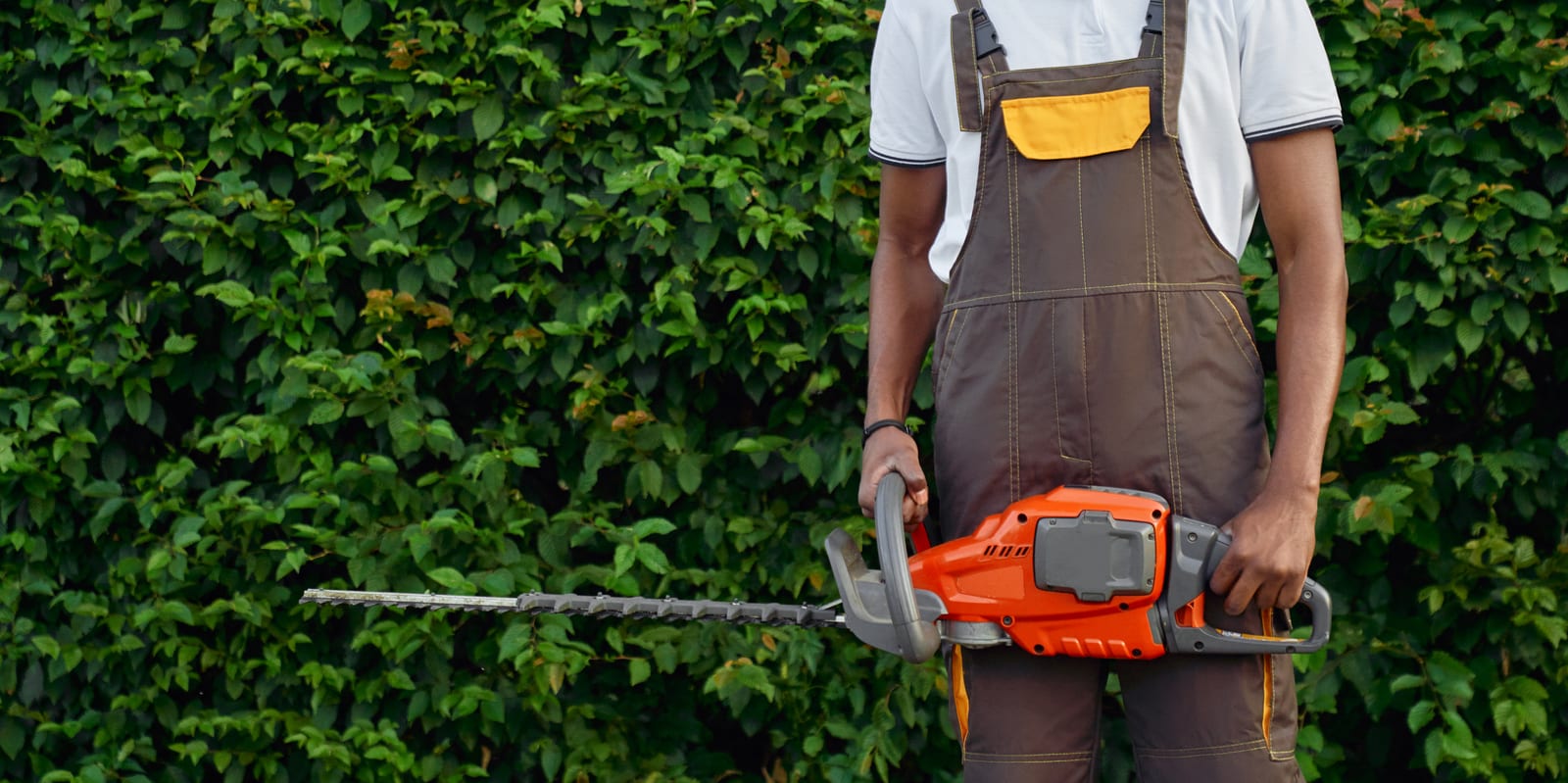
📌 Key Takeaway: Off-season planning keeps a lawn service profitable, organized, and easier to scale. The best operators use the slow months to widen their service mix, tighten resource use, educate customers, and prepare for the next peak season without scrambling.
Planning for the Off-Season
Off-season sustainability is really about staying useful when mowing volume drops. A lawn service that treats the slow months as downtime loses momentum. A service that uses that period to improve operations, deepen customer relationships, and add seasonal work stays steadier all year.
That starts with a clear plan. The off-season gives you room to review what worked, cut waste, and set up service offerings that match the weather and customer demand. It also gives you time to strengthen the parts of the business that are easy to neglect when crews are busy: communication, scheduling, statement billing, and follow-up.
A practical example makes this easier to see. A company that relies only on weekly mowing may see revenue thin out as growth slows, but one that adds winterization, cleanup, and other seasonal services can keep crews working and customers engaged. A homeowner who already trusts your team for lawn care is far more likely to book additional work if you stay in touch and make the process simple. The off-season becomes a bridge to the next season instead of a gap in revenue.
Diversifying Service Offerings
The most direct way to stay steady in the off-season is to offer work that still makes sense when the lawn slows down. Mowing demand falls, but property owners still need help preparing for colder weather, cleaning up debris, and keeping landscapes in good shape. Winterization services, overseeding, aeration, and winter mulching can all fit into a broader seasonal plan.
Snow removal can also make sense in colder regions. It gives crews another path to productive hours and gives customers one company they can call for multiple needs. That kind of convenience matters. It reduces churn because the homeowner does not have to search for a separate vendor every time the season changes.
Education strengthens that service mix. A short workshop, a customer newsletter, or a simple service guide can explain why certain treatments matter before winter sets in. When customers understand the reason behind the work, they are more likely to buy it. The off-season then becomes a time to reinforce value, not just sell a new line item.
Optimizing Resource Management
The off-season is the right time to get disciplined about what you own, what you use, and what needs attention before spring. Start with equipment. Inspect tools and machinery, note repairs, and replace what will create problems later. A mower or other equipment that limps through the season costs more than it saves if it fails when schedules are full.
Staffing and inventory deserve the same attention. If you know which services you expect to offer, you can plan labor and supplies with less guesswork. That reduces waste and keeps the business from tying up cash in items that sit unused.
Software helps here too. Lawn billing software can streamline statements, customer records, and payment tracking while the pace is slower. That gives you cleaner books and fewer loose ends when the busy season returns. Just as important, it frees time for route planning, service review, and customer communication. A business that stays organized in the off-season usually enters the next season with less friction.
Engaging Clients Through Education
Off-season communication should do more than announce availability. It should remind customers why their property still needs attention and why your company is the one to handle it. Educational content works because it keeps your business in front of customers while also giving them a reason to act.
A newsletter can cover seasonal prep, lawn care basics, and the timing of off-season services. Blog posts and webinars can do the same thing at a deeper level. The format matters less than the message: show customers that good lawn care is not only about spring and summer. It is about protecting the property year-round and avoiding bigger problems later.
A lawn service app can make this easier by giving customers quick access to their service history, appointments, and reminders. That kind of visibility reduces confusion and keeps the relationship active even when crews are not on site every week. The more informed the customer feels, the easier it is to keep them loyal.
Implementing Eco-Friendly Practices
Sustainability should be practical, not just promotional. Off-season planning is a chance to review the products and methods you use and make changes that lower environmental impact without hurting service quality. Organic fertilizer options, more careful pest control choices, and smarter scheduling can all support that goal.
You can also position services around landscape practices that reduce long-term maintenance. Native plant landscaping and xeriscaping may not fit every property, but they are useful options for customers who want lower water use and less intensive upkeep. When you explain the benefits clearly, you show that sustainability and profitability can work together.
This is where the off-season can sharpen your brand. Customers remember companies that offer solutions instead of generic service. If your team can recommend a better long-term approach for a property, you are not just preserving the landscape. You are building trust that lasts into the next season.
Using the Off-Season for Growth
The slow season is a good time to improve the business behind the scenes. Training, process review, and professional development are easier to do when crews are not racing from one job to the next. That makes the off-season one of the best windows for raising your team’s skill level.
Training can cover new techniques, updated equipment, safety habits, or changes in the services you plan to offer. It can also help newer employees understand expectations before schedules fill up again. A team that learns in the off-season performs better when demand returns because it is not learning on the fly.
Networking matters for the same reason. Conversations with other service companies can uncover partnership opportunities, referral channels, or bundled service ideas that fit your market. Growth does not always come from adding more jobs right away. Sometimes it comes from making the business smarter, more flexible, and easier to run.
Maintaining Visibility and Marketing Efforts
The quiet months should not mean silence. If customers only hear from you when grass is growing, you become easy to forget. Off-season marketing keeps your name visible and gives you a way to explain what you offer when demand shifts.
Social media, testimonials, and seasonal updates all help. So do targeted promotions for the services that fit the time of year. The goal is not constant advertising. It is steady visibility that reminds customers you are still active, still reliable, and still focused on their property.
A lawn service computer program can support that effort by helping you track leads, manage follow-up, and keep customer records in order. That matters because marketing falls apart when the back end is messy. If your communication system is clean, you can respond faster and convert more interest into booked work.
Building Strong Relationships with Suppliers
Supplier relationships become more valuable when the season slows down. That is the right time to review what you buy, what you depend on, and where you may have room to improve terms. You can ask better questions when you are not under pressure to reorder at the last minute.
It also helps to look for suppliers whose products fit your sustainability goals. If your business is moving toward more eco-friendly practices, your supply chain should support that direction. A good supplier relationship is not only about price. It is about reliability, availability, and consistency when your schedule tightens again.
There is another benefit here: collaboration. Suppliers may be willing to support educational events or share useful information that helps customers make better choices. That can reinforce your reputation as a knowledgeable local business instead of a company that only shows up for the job and disappears after.
Preparing for the Next Season
The off-season should end with a plan, not a scramble. Before the busy months return, review the past season and identify where the business was strong and where it slowed down. That review can guide service changes, pricing adjustments, staffing decisions, and marketing priorities.
You also need a clear schedule for onboarding customers and restarting service routes. When that plan is already written, the first warm stretch of weather does not create chaos. Crews know what to do, customers know what to expect, and your business can move back into peak season with less stress.
This is where good systems pay off. A company that uses the slow season to clean up records, improve communication, and tighten operations will always have an easier spring than one that waits until demand spikes. Preparation protects both service quality and revenue.
Conclusion
Off-season sustainability comes from using the quiet months with intent. Diversify the services that fit the season, keep your equipment and staffing plan under control, educate customers, and stay visible in the market. Those moves help a lawn service remain stable and more resilient through every part of the year.
The businesses that handle the off-season well are usually the ones that stay organized all season long. They keep customer communication tight, manage statements cleanly, and make it easy for people to keep buying from them. If you want a simple way to manage off-season billing and customer relationships, consider using EZ Lawn Biller. It helps you stay organized so you can focus on the work that keeps your business moving forward.
Frequently Asked Questions
What should you focus on first when planning for off-season sustainability? Start by treating the slow months as a period to improve how your business operates, not as downtime. A clear plan helps you review what worked, cut waste, and prepare services that fit changing weather and customer demand. You should also strengthen communication, scheduling, billing, and follow-up because those areas often get neglected when crews are busy.
Which off-season services can help keep crews working when mowing demand drops? Services like winterization, cleanup, overseeding, aeration, winter mulching, and snow removal can help fill the gap left by reduced mowing volume. These services make sense because property owners still need help preparing for colder weather and maintaining landscapes. Offering them gives you more ways to stay productive and keeps customers engaged with one company.
Why does offering multiple seasonal services help reduce customer churn? When you can handle more than one seasonal need, customers do not have to find a new vendor every time the weather changes. That convenience makes it easier for them to stay with you throughout the year. It also strengthens trust, because a homeowner who already relies on your team for lawn care is more likely to book additional work from the same provider.
How can you encourage customers to buy off-season services? Make sure customers understand why the work matters before winter arrives. A workshop, customer newsletter, or simple service guide can explain the value of treatments and seasonal preparation in a clear way. When the reason behind the service is easy to understand, customers are more likely to see it as useful rather than as an extra sale.