📌 Key Takeaway: Service duration gets shorter when you plan around yard conditions, group routes intelligently, use the right equipment, and keep your crew and customers aligned. The goal is not to rush jobs. It is to remove avoidable delays so each stop fits the route better.
How to Optimize Service Duration Across Different Yards
Lawn service schedules break down when every property is treated the same. A flat, open yard does not take the same time as a cramped lot with slopes, gates, heavy trimming, and tight access. The operators who stay profitable build their schedule around those differences instead of guessing and hoping the day works out.
That starts with better planning, but it also depends on tighter execution. A route that looks fine on paper can still run late if crews are sent out without enough context, equipment is poorly maintained, or customers are not ready when the truck arrives. The answer is to understand what changes service time, then build systems around those variables. Tools like EZ Lawn Biller and a lawn service app help tie the route, the job notes, and the customer communication together so the schedule holds up in the field.
Housing activity also affects how routes age over time. FRED reported US housing starts at 1,239.00 thousand SAAR on July 1, 2026, down 176.00 from the prior reading. When new development slows, operators often feel it through tighter competition for recurring work, which makes route efficiency even more important. The FRED housing starts series is a useful reminder that volume in the market can shift even when demand for steady lawn care remains strong.
Understanding Yard Characteristics
The first way to improve service duration is to stop treating every yard as average. Size matters, but so do layout, terrain, access, and the amount of detail work required. A wide, open lawn with few obstacles can move quickly. A smaller property with trees, garden beds, narrow side yards, and uneven terrain can take longer because the crew has to slow down, reposition, and make more passes.
That is why pre-job review matters. When a team knows which properties need extra trimming, which ones have steep sections, and which ones require more maneuvering, the route becomes more realistic. You are not just estimating mowing time. You are estimating the full stop, including cleanup and transitions between tasks.
The original point here is simple: better estimates come from better observation. A lawn service app can store yard notes, photos, and service details so crews know what they are walking into before they unload equipment. That reduces surprises, which is where time gets lost. One crew may handle a straightforward yard in a smooth block of work, while another spends extra minutes moving around obstacles and backtracking to finish detail work. Those differences add up across a full route.
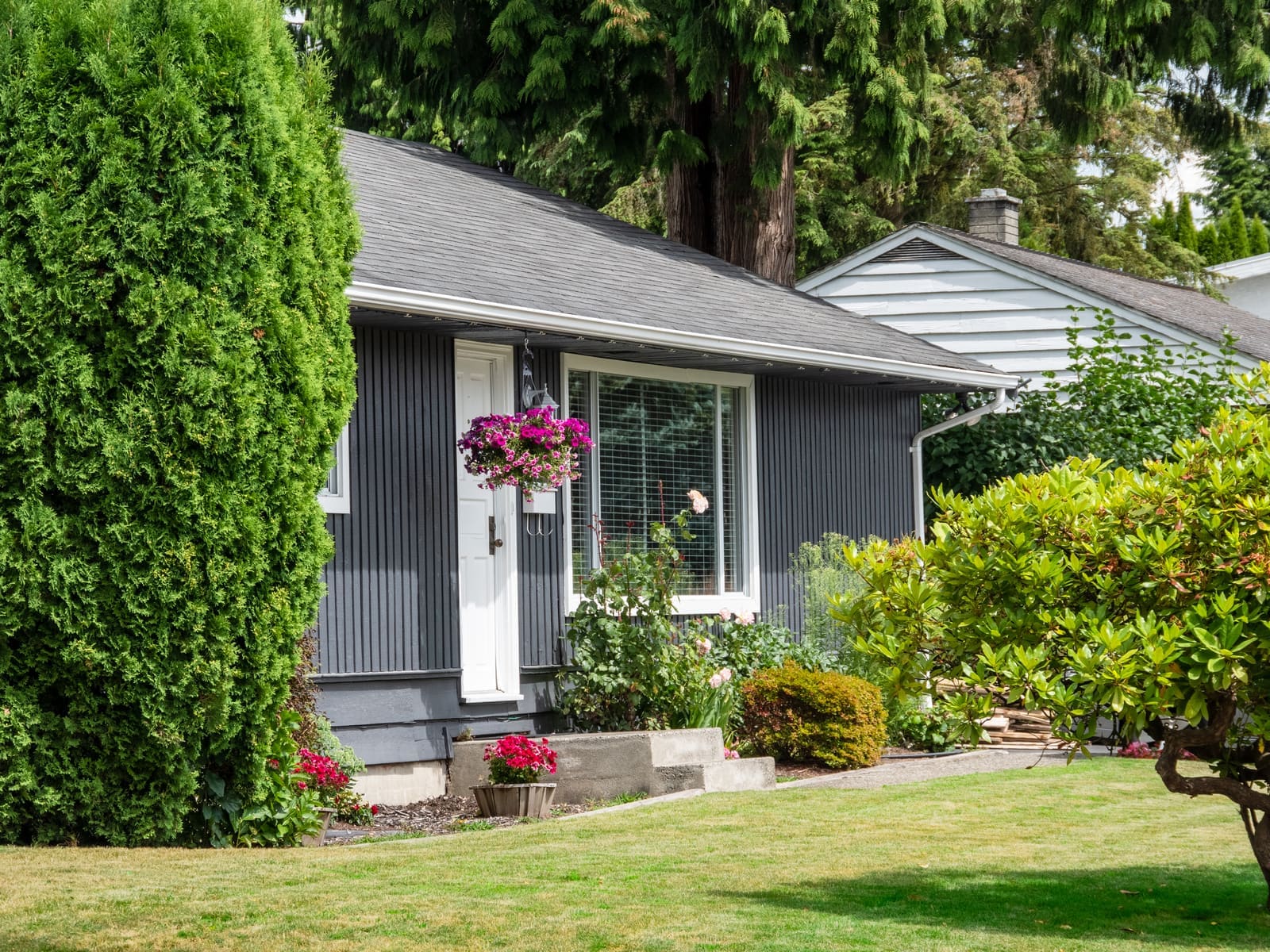
A real-world example makes the point clear. Suppose two homes sit on the same street. One has a wide front yard, open access, and a simple back lawn. The next has a narrow driveway, a fenced backyard, and heavy edging along garden beds. If you schedule both as if they were identical, the second stop will push the rest of the day behind. If you capture those differences ahead of time, you can assign more realistic service windows and keep the route moving.
Implementing Efficient Scheduling Practices
Once you understand the properties, the next step is to schedule with those differences in mind. The most efficient routes usually come from grouping nearby clients with similar service needs. That cuts travel time and reduces the number of stop-and-start interruptions that slow a crew down.
Neighborhood clustering works because it removes wasted movement. If a truck has to crisscross town between jobs, the day becomes harder to control. When the route stays tight, crews spend more time servicing yards and less time driving between them. The same logic applies to workload balance. Heavy properties should not be stacked back-to-back without considering fatigue, weather, or cleanup demands.
Software makes this easier because it turns scheduling into a visible process instead of a mental exercise. Lawn service software helps you see the route, adjust priorities, and rebalance work when a job runs long. That matters because a delayed stop does not stay isolated. It affects the rest of the day unless you can adapt quickly.
Clear scheduling also protects customer relationships. If clients know when to expect service, they are less likely to interfere with the visit, move vehicles late, or create delays at the door. That is why communication and scheduling should work together. The more predictable the route, the easier it is to keep service durations close to plan.
Weather and seasonality can also change the math. A route that works in a dry week may run differently after rain or during a fast-growth stretch. Building a little slack into the schedule gives crews room to handle those shifts without losing the whole day.
Utilizing the Right Equipment
Equipment has a direct effect on how long each yard takes. The right machine for the property cuts minutes without cutting quality. Larger lawns benefit from commercial-grade mowers with wider decks. Properties with detail work need sharp trimmers, dependable edgers, and tools that let the crew finish cleanly without repeated passes.
Maintenance matters just as much as equipment choice. A mower that stalls, cuts unevenly, or needs repeated adjustment slows the crew and throws off the entire route. The same goes for trimmers, blowers, and other tools that should be ready the moment the crew unloads. Time lost to equipment problems usually shows up as late arrivals, rushed finishes, or both.
The best operators treat equipment readiness as part of service planning. If a route includes several large properties, the crew should have machines sized for that workload. If the day includes detailed residential work, they need tools that support precision and cleanup. The goal is simple: remove friction before the truck leaves the yard.
Technology can also help by recording patterns in service time and highlighting where equipment choices make a difference. If one setup consistently handles certain yards faster, that information should shape future routing. Good operations rely on repeatable results, not guesswork.
Training and Developing Your Team
Even strong equipment and clean scheduling will not solve everything if the crew is not trained to work efficiently. Training should cover more than basic operation. Crews need to know how to move through a property in a logical order, how to avoid unnecessary backtracking, and how to finish detail work without wasting time.
That kind of training improves speed because it standardizes how work gets done. When everyone follows the same field habits, the route becomes easier to predict. It also reduces mistakes, which saves time later. A crew that knows how to handle a difficult corner or a cluttered yard will finish faster than one that has to stop and improvise at every property.
Team communication matters here too. Crews work best when they share what they learn on the route. If one technician finds a faster way to handle a certain layout or a better order for completing tasks, that knowledge should move across the team. Practical learning like that often has more value than a formal reminder.
A well-trained crew also protects your schedule when something changes. A property that takes longer than expected is less disruptive when the team knows how to adjust without losing control of the day. That is the real benefit of training: it creates consistency under pressure.
Leveraging Client Communication
Client communication affects service duration more than many owners realize. If a homeowner expects one thing and the crew arrives to find something else, time disappears. Vehicles block access. Gates stay locked. Pets are loose. Special requests surface at the last minute. Clear communication before the visit reduces those problems.
This is where a lawn service computer program helps. Automated reminders and service messages keep customers informed without adding more office work. When people know when the crew is coming and what to expect, they are more likely to clear the area and avoid delays.
Communication also helps after the visit. Feedback tells you where service timing is slipping and where expectations are too vague. If a customer repeatedly asks for extra cleanup or specific access instructions, that should be part of the service record. The more detail you capture, the easier it is to plan the next visit correctly.
Good communication does not just keep customers happy. It protects the route. A stop that starts on time is easier to finish on time, and that keeps the rest of the day intact.
Adapting to Seasonal Changes
Service duration changes with the season because growth patterns, weather, and property conditions all shift. Spring and summer usually bring faster growth and heavier workloads. That means more frequent mowing and more time spent on cleanup and maintenance. Fall can bring leaf buildup and extra detail work. Weather delays and wet ground can also stretch service times.
The answer is to build flexibility into the schedule before the season turns busy. Routes that look manageable in a mild week may become tight when growth accelerates. Staffing, equipment readiness, and route density should all be reviewed ahead of peak demand so the team is not forced to improvise every day.
Seasonal planning also helps smooth demand. Pre-season sign-ups for recurring services create a more predictable workload, which makes routing easier and service times more stable. When the calendar is full of recurring work instead of last-minute calls, the day is easier to control. That stability matters because it lets you keep service duration in check even when the season gets busy.
Embracing Technology and Innovations
Technology is most useful when it removes guesswork from the field. Tools like aerial assessment, route visibility, and mobile job notes help crews understand a property before they arrive. That leads to better planning and fewer delays once work begins.
A comprehensive lawn service app also keeps the business connected from the office to the field. Scheduling, customer records, and job details live in one place, which cuts down on repeated calls and manual updates. That saves time before the visit and after it. It also helps the crew stay focused on the route instead of chasing information.
Automation can support the work too. The point is not to replace skilled crews. It is to free them from repetitive tasks so they can spend more of the day on actual service. When the software handles routine coordination, the team can move faster without losing control.
Monitoring Performance and Metrics
If you do not measure service duration, you cannot improve it with confidence. Tracking average time per yard, route completion patterns, and customer feedback shows where the operation is running smoothly and where it is losing time. Those numbers give you a practical way to compare properties and routes instead of relying on memory.
Reports inside lawn care software make this easier because the data is already tied to the job. You can review which types of properties consistently run long, which crews finish efficiently, and which stops tend to create bottlenecks. That makes it possible to fix the real problem instead of guessing at it.
The value of tracking performance is simple: it turns recurring issues into action items. If certain yards always require more time, you can adjust scheduling, pricing, staffing, or equipment. If one route consistently slips behind, you can revisit the stop order or the workload balance. That kind of feedback loop keeps the business improving instead of repeating the same mistakes.
Conclusion
Optimizing service duration across different yards comes down to discipline. You need accurate yard notes, smarter scheduling, the right equipment, trained crews, and clear communication. When those pieces work together, the route becomes more predictable and the day becomes easier to control.
That is where complete lawn service management software earns its place. By connecting routing, job details, billing, reports, and customer communication, EZ Lawn Biller helps lawn service businesses run tighter routes and deliver more consistent service. The result is a steadier operation, better customer experience, and a schedule that holds up when the work gets busy.
Frequently Asked Questions
How should I estimate service time for yards with different layouts? Estimate each yard based on more than just size. Factor in layout, terrain, access, trimming needs, and how much repositioning the crew will have to do. A flat, open property will usually move faster than a cramped lot with slopes, gates, or narrow side yards, so your schedule should reflect the full stop, including cleanup and transitions between tasks.
What yard details matter most when planning a route? The most important details are obstacles, steep sections, tight access, and the amount of detail work required. Trees, garden beds, uneven terrain, and extra trimming all slow a crew down because they require more passes and more careful movement. Capturing those notes ahead of time helps you build a route that is realistic instead of optimistic.
How can crew communication reduce delays on service days? Crew communication reduces surprises before the truck even arrives at a property. If the team already knows which yards have special access issues, extra trimming, or difficult terrain, they can bring the right expectations and equipment. That keeps the day moving because fewer minutes are lost figuring things out on site.
What role do software tools play in keeping service duration under control? Software tools help connect the route, job notes, and customer communication so the schedule holds up in the field. A lawn service app can store yard notes, photos, and service details, which gives crews better context before they unload equipment. Billing and payment tools also support smoother operations by keeping the business organized around the same workflow.