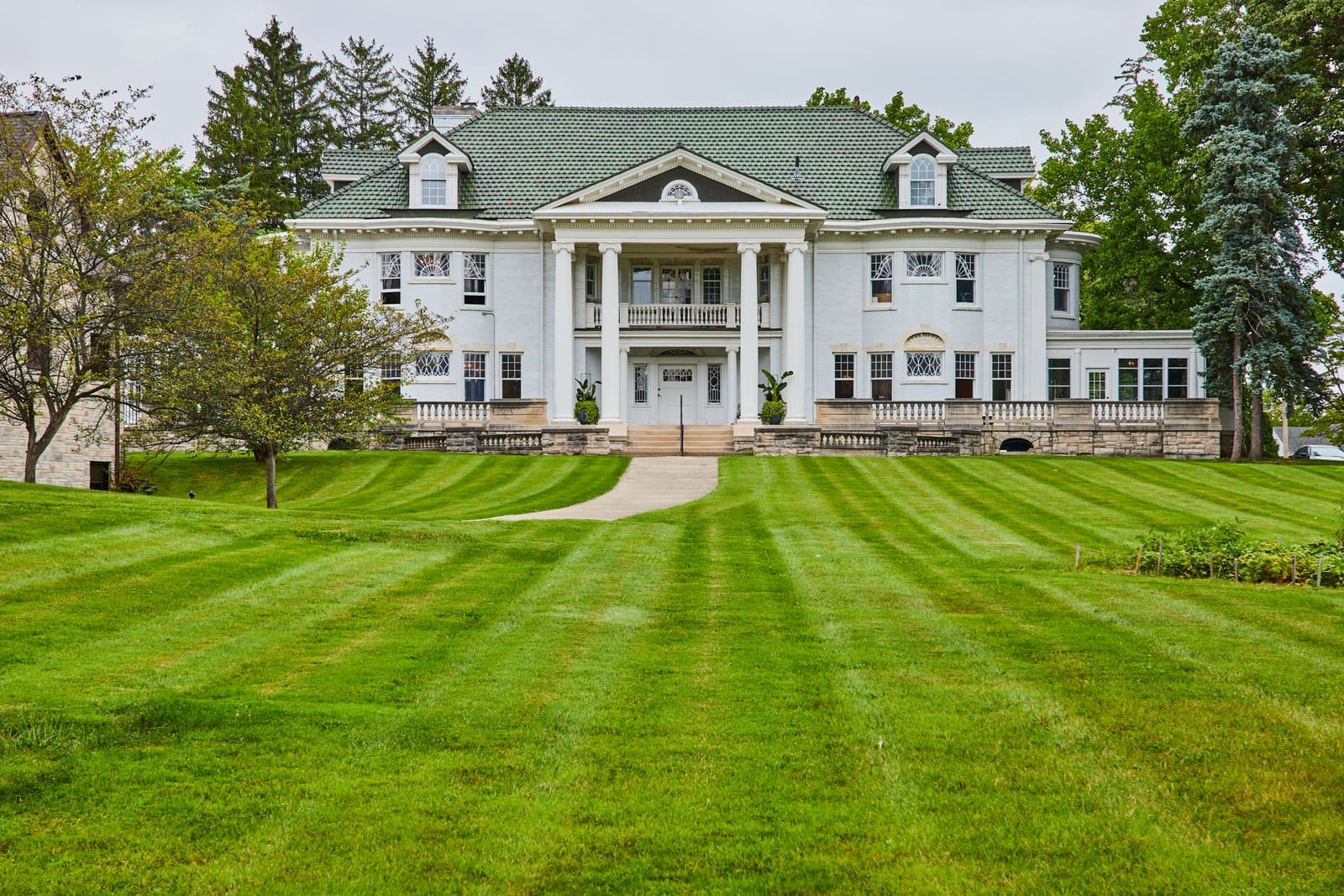
📌 Key Takeaway: Sustainable landscaping add-on services work when they solve a visible problem for the homeowner and create repeat revenue for your company. Start with services that fit your routes, train crews to explain the value clearly, and keep the billing simple so the extra work turns into steady margin instead of extra admin.
Offering sustainable landscaping add-on services is not about chasing a buzzword. It is about packaging practical work that homeowners already want: lower water use, healthier soil, fewer chemicals, better drainage, and landscapes that hold up through seasonal stress. The companies that do this well do not sell sustainability as a moral lecture. They sell it as a smarter way to care for a property.
That framing matters because add-on services only work when they fit the rest of your operation. If they slow down your crews, confuse your customers, or create billing headaches, they become a drag on the business. If they are easy to explain, easy to schedule, and easy to price on a running balance statement, they improve route density, raise average ticket size, and deepen customer retention. That is the real opportunity.
It also helps to watch the housing market behind the properties you serve. U.S. housing starts were 1,177.00 thousand SAAR on May 1, 2026, according to FRED’s HOUST series. That reading was down by 215.00 from the prior month, which is a reminder that property turnover and new construction do not move in a straight line. When those shifts hit, the landscape work tied to those properties shifts too, which makes add-on services a useful way to stay flexible without changing your core business.
Home prices tell a similar story. The FRED CSUSHPINSA series was at 335.10 on May 1, 2026, up 2.12 from the prior reading. That kind of movement keeps pressure on homeowners to protect property value, which makes visible improvements like drainage fixes, native plant conversions, and lower-maintenance beds easier to justify.
Labor conditions matter too. The U.S. unemployment rate was 4.30% on May 1, 2026, according to FRED’s UNRATE series. On June 1, 2026, it moved to 4.20%, according to the same FRED UNRATE series. That kind of reading reinforces a simple point for operators: crews are still valuable, and the companies that use them efficiently can protect margin better than the ones that let every add-on turn into a scheduling scramble.
Why sustainable add-ons belong in a lawn service business
Sustainable add-ons give you a way to expand revenue without changing your core identity. You still mow, trim, edge, blow, and maintain properties. You just add services that improve the long-term condition of the landscape instead of only reacting to what is already visible.
That works because homeowners usually notice two things first: recurring costs and visible results. When you offer an add-on that reduces water waste, improves plant health, or cuts down on future maintenance, the value is easier to justify. A customer may not know the technical details of soil amendment or native plant selection, but they understand a yard that stays healthier with less effort.
The business case is strong for another reason. Sustainable services are naturally recurring in many cases. A one-time installation can lead to monitoring, seasonal maintenance, refresh work, and follow-up visits. That creates more touchpoints with the same customer, which improves retention and makes your route planning more efficient.
The key is to sell the outcome, not the buzzword. Homeowners want a landscape that looks good and costs less to maintain over time. If your team can connect the service to those goals, sustainable add-ons become a natural extension of your offering instead of a separate specialty.
Choose add-ons that fit your routes and crews
The best sustainable services are the ones your existing crews can deliver without creating chaos. You do not need to launch every environmentally friendly option at once. Start with services that match the properties you already serve and the equipment you already own.
A practical way to think about it is to separate the work into three buckets. The first bucket is low-friction add-ons that fit into an existing visit, such as soil improvements, mulch top-ups, or plant health recommendations. The second bucket is scheduled projects, such as rain garden installation or native bed conversion, that need planning but can still fit your landscape crew. The third bucket is specialty work that may require training or subcontracting, such as full irrigation redesign or large-scale drainage correction.
A smart starting point is the service that homeowners can understand at a glance. Drought-tolerant plantings, native plant swaps, rain gardens, and organic bed care are easy to explain because they connect to familiar problems. If a property struggles with heat, runoff, or high maintenance, those services make sense quickly.
You also need to think about route compatibility. Add-ons should increase the value of the stop, not turn a simple mowing visit into an unpredictable project. When sustainable services are designed as planned recurring work or clearly scoped upgrades, they are easier to dispatch and easier to keep profitable. That is why route discipline matters as much as the service itself.
That same discipline matters when demand shifts with the housing cycle. If more properties enter your service area after a wave of new starts or turnover, crews need add-ons that can be quoted, scheduled, and completed without throwing off the rest of the route. The companies that stay organized can absorb those shifts better than the ones that rely on one-off decisions in the field.
Start with services homeowners can see and understand
The most effective sustainable add-ons solve visible problems. Homeowners respond when they can see the difference on the property and understand why the service matters.
Xeriscaping is a good example. It is not just a design style. It is a strategy for reducing irrigation demand by choosing plants and layouts that handle local conditions better. That can mean replacing thirsty turf areas with drought-tolerant beds, improving mulch coverage, or adjusting planting zones so the property needs less water and less maintenance.
Rain gardens are another strong option because they solve a problem many homeowners already notice after heavy rain: standing water, runoff, or erosion. A rain garden gives water a place to go, improves infiltration, and adds visual interest at the same time. It also creates a natural opening for seasonal maintenance visits, because the space needs attention as plants establish and evolve.
Organic garden design and organic bed maintenance appeal to homeowners who want to reduce exposure to harsh chemicals and grow more food at home. Even if your company focuses on larger residential routes, this service can open the door to a different kind of conversation with the customer. You are no longer only maintaining the lawn. You are helping shape a more useful outdoor space.
Native plant conversions fit the same pattern. They reduce the need for constant intervention, which lowers ongoing labor for the homeowner and creates a cleaner maintenance plan for your crew. When you present these add-ons as solutions to common property problems, they become much easier to sell.
Train crews to explain the value in plain language
Your crews are part of the sales process whether you plan for it or not. They are the ones on-site seeing compacted soil, poor drainage, stressed turf, and plant beds that need better planning. If they cannot explain what they see in simple terms, the opportunity gets lost.
Training should focus on how to talk about results, not technical jargon. A crew member does not need to give a lecture on ecology. They need to be able to say that a certain area stays wet too long, that a native bed would reduce maintenance, or that a mulch refresh helps the soil hold moisture and suppress weeds.
That kind of language builds trust because it feels grounded in the property in front of the customer. It also keeps the conversation focused on the homeowner’s priorities. Most clients care more about a yard that looks better and costs less to maintain than about a long list of environmental principles. If sustainability is presented as the route to those results, the sale becomes easier.
Training also protects your brand. Sustainable services lose credibility fast when the crew suggests one thing and the office says another. If your team knows how the service works, what it costs, and how it will be billed on the customer’s statement, the whole operation feels more professional. That consistency matters when you are asking customers to buy beyond the base maintenance plan.
Price sustainable work as a repeatable service, not a one-off favor
Pricing is where a lot of companies lose money on add-ons. They sell the work too cheaply, estimate too loosely, or bury the extra labor inside the existing route. Sustainable services should be priced as real work with a real margin.
The simplest way to do that is to define the service scope clearly. If you are installing a native bed, the estimate should reflect design time, material, labor, and cleanup. If you are offering ongoing organic maintenance, the customer should know how often the service happens and what it includes. If the service requires seasonal visits or follow-up checks, that should be part of the plan from the start.
Recurring services are especially valuable because they create a predictable relationship with the customer. Instead of selling one isolated project, you are creating an ongoing maintenance relationship around a specific property goal. That allows you to build sustainable add-ons into your regular service calendar and maintain stronger route density.
This is also where statement-based billing helps. EZ Lawn Biller is complete lawn service management software, so you can keep base maintenance, add-ons, payments, reports, route planning, and customer communication in one system. When sustainable work is added to the homeowner’s running balance statement, the customer sees one clear record of services and payments instead of scattered paper trails. That makes repeat work easier to manage and easier to get paid for.
If you want a billing flow that supports recurring service without extra friction, the billing and payments feature is a good place to start: EZ Lawn Biller billing and payments.
Market sustainability as a practical upgrade, not a lifestyle pitch
Homeowners do not usually buy landscaping add-ons because they want a philosophy. They buy because they want a better property. Your marketing should reflect that.
Lead with the problem. If the property has runoff, talk about drainage and soil absorption. If it struggles in hot weather, talk about drought tolerance and reduced watering. If maintenance costs are climbing, talk about lower long-term upkeep and better plant selection. Sustainability becomes persuasive when it is tied to cost control, property health, and convenience.
Before-and-after photos help, but your copy matters just as much. A good service page should explain what the add-on fixes, how the process works, and what the homeowner can expect after installation or treatment. Keep the language concrete. Talk about spacing, shade, soil conditions, watering patterns, and maintenance frequency. That level of detail sounds more credible than generic claims about being eco-friendly.
Your sales team should also be ready to explain the difference between a one-time upgrade and a long-term maintenance plan. Customers often understand the initial project quickly, but they may not think about what happens after the installation. That is where you can position recurring check-ins, seasonal adjustments, and treatment follow-up as part of the value.
The best marketing is local and specific. If your crews see the same drainage issues, stressed turf, or sun exposure patterns across multiple properties, your messaging should reflect those realities. Sustainable services sell faster when they sound like a solution to a familiar local problem.
Use education to turn add-ons into trust
Education is one of the strongest sales tools in this category because many sustainable services are new to the customer. If you explain the logic clearly, you remove hesitation.
A customer who understands why a native plant swap lowers maintenance is much more likely to approve the work. A homeowner who sees how mulch helps retain moisture and reduce weed pressure is easier to serve on a recurring schedule. A client who learns why a rain garden controls runoff can justify the project as a property improvement, not just a landscaping expense.
That educational approach should show up everywhere: estimates, email follow-ups, social posts, service descriptions, and on-site conversations. The goal is not to overwhelm people with detail. The goal is to make the service feel understandable and worth paying for.
You can also use educational content to create demand before the customer even asks. Blog posts about drought tolerance, native plant benefits, or low-maintenance landscape design can introduce the idea before a quote is ever issued. That makes the sales conversation shorter because the customer arrives with some context.
Education works best when it is connected to action. Do not stop at explaining why sustainable landscaping matters. Show the customer which service fits their property, what the project will change, and how the result will be maintained over time. That turns information into revenue.
Build the operational backbone before you expand
A sustainable add-on strategy fails when the office cannot keep up with the field. You need the same discipline for add-ons that you use for mowing routes, seasonal cleanups, and recurring maintenance.
That starts with scheduling. Every service should have a clear scope, a clear duration, and a clear place in the route. If a project requires special materials or extra labor, that needs to be visible before the crew rolls out. The more predictable the job, the easier it is to protect margin.
It also requires good records. Treatment history, visit notes, customer preferences, and follow-up instructions all matter when a service is ongoing. If your office has to dig through scattered spreadsheets or text messages to know what was done last time, the service becomes harder to scale. Complete lawn service management software solves that by keeping routing, treatment tracking, visit reports, payroll, reports, QuickBooks integration, the mobile app, and the customer portal in one place.
That operational structure supports sustainable services in a very direct way. Crews can see what was promised. Office staff can see what was completed. Customers can review what happened on their statement and in the portal. When everyone has the same record, there is less confusion and fewer billing disputes.
That kind of organization matters because add-on services only grow when they are repeatable. A sustainable service that depends on memory or handoffs will eventually slow down. A sustainable service that lives in a structured system can scale.
Expand carefully and let the best services earn their place
Once the first sustainable add-ons are working, expansion should come from what your customers actually buy, not from what sounds impressive on paper. The right next service is usually the one that pairs naturally with work you already do.
If native plant conversions are gaining traction, you may be able to add seasonal bed maintenance tied to those properties. If rain gardens are selling, follow-up visits and vegetation management may fit the same customer base. If organic maintenance is working, you can develop a stronger recurring plan around soil health and plant support. Each service should create a path to more value, not just more menu items.
This is also the point where reporting becomes useful. You want to know which add-ons are easiest to sell, which ones generate the best margin, and which ones fit your route structure. That data helps you focus on the services that actually strengthen the business. It also prevents you from overextending into work that does not fit your crews or your market.
Expansion should feel deliberate. Add one service, standardize it, train it, and measure it before adding the next. That discipline keeps the business organized and makes the sustainable offer look polished rather than experimental.
Sustainable add-ons work best inside a strong lawn service system
Sustainable landscaping add-on services are not a side project. They are a way to build a stronger recurring business around better property outcomes. The companies that do it well keep the message simple: healthier landscapes, lower waste, less future maintenance, and a better customer experience.
The formula is straightforward. Choose add-ons that match your routes. Train crews to explain them clearly. Price them for real margin. Use statements, not scattered paperwork, to keep the billing clean. Then track the work so the service can scale without creating chaos in the office.
That approach fits the lawn business well. Lawn service rewards consistency, route density, and repeat visits. Sustainable add-ons strengthen all three when they are managed correctly. They give your company a reason to raise average ticket size, deepen customer loyalty, and create more value from every stop.
If you are ready to build that kind of operation, the next step is to tighten the systems behind it and make sure the office can support the growth.
Frequently Asked Questions
What kinds of sustainable landscaping add-on services are the easiest to sell to homeowners? The easiest add-ons to sell are the ones that solve visible, practical problems such as lower water use, healthier soil, fewer chemicals, better drainage, and better stress tolerance through seasonal changes. Homeowners usually respond to services that make the yard healthier while reducing future effort and recurring costs. If you frame the work as smarter property care instead of a lecture about sustainability, it is easier to justify.
How should you position sustainable add-ons so they do not feel like a separate business? Position them as extensions of the maintenance you already provide. You are still mowing, trimming, edging, blowing, and maintaining properties, but with added services that improve long-term landscape health instead of only reacting to surface issues. That keeps your offering simple for customers and helps the add-ons fit naturally into your existing operation.
Why do sustainable add-ons help with pricing and retention? They work well when they are easy to explain, easy to schedule, and easy to price on a running balance statement. When that happens, they can raise average ticket size without creating billing headaches or slowing down crews. They also deepen customer retention because clients see ongoing value in healthier, lower-maintenance landscapes.
Why does housing market activity matter when planning sustainable landscaping add-on services? Housing starts and property turnover can shift demand for landscape work, so it helps to stay flexible instead of relying on a single type of job. When new construction or turnover changes, the landscape services tied to those properties can change too. Sustainable add-ons give you a way to adapt to those shifts while keeping your core business intact.