📌 Key Takeaway: Commercial clients buy reliability first and appearance second. Your marketing should prove that you can protect curb appeal, communicate clearly, and keep service consistent across every route stop.
How to Market Lawn Care to Commercial Properties
Marketing lawn care to commercial properties is about more than getting your name in front of businesses. It is about showing property managers, facility teams, and business owners that you can handle recurring work without reminders, missed visits, or billing confusion. Commercial accounts care about the look of the property, but they also care about predictability, responsiveness, and the ability to make one vendor responsible for the full scope of service.
That means your marketing has to sound different from residential marketing. A homeowner may react to a clean before-and-after photo. A commercial buyer wants to know whether you show up on schedule, how you handle changes, and whether your team can work around tenants, customers, and employees. The strongest lawn care companies do not just sell mowing or treatment work. They sell a smoother operating experience for the property owner.
Commercial buyers also pay attention to who owns the business and how it is financed. The SBA’s 7(a) loan program continues to fund small-business acquisitions across service industries in the September 2026 cycle, which keeps succession and expansion conversations alive for buyers and sellers alike. If you market to property managers and owners who think in terms of long-term stability, that kind of financing backdrop helps explain why reliability and organization matter so much.
Understanding the Needs of Commercial Clients
Commercial properties have different priorities than residential lawns. Office parks, shopping centers, industrial sites, and multi-tenant buildings often need service plans built around traffic patterns, tenant expectations, and the property’s public image. A simple price quote is not enough. Buyers want proof that you understand the property and the risks that come with it.
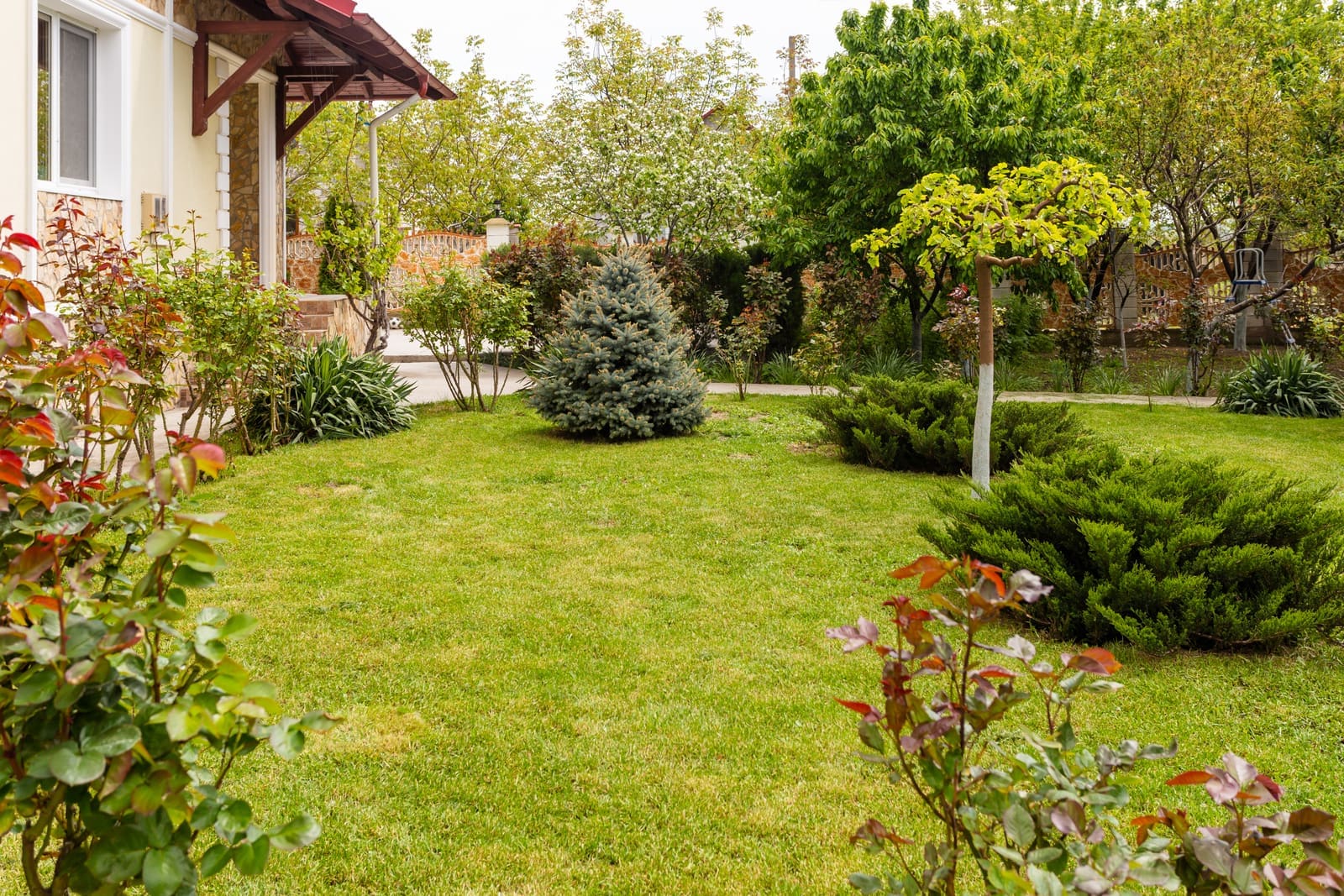
A well-kept landscape helps a commercial property look managed and trustworthy. That matters because the exterior is part of the first impression. When a visitor pulls into a retail center or office building, overgrown turf, weeds, and uneven service signal neglect. Your marketing should speak directly to that concern. Position your company as the team that keeps the property presentable week after week, not just when someone notices a problem.
Commercial work also tends to require tighter consistency. High foot traffic, multiple entrances, and larger grounds create more opportunities for missed details. That is why reliability should be a central promise in every proposal, email, and sales conversation. If you serve different property types, make that clear in your messaging. A property manager for an industrial site does not want the same pitch as a retail plaza manager. Show that you understand the differences, and your marketing becomes far more credible.
Property expectations can also shift with trends that affect how people think about outdoor spaces. LawnLove’s What Is Chaos Gardening? The Wild Summer Trend Saving Homeowners Hundreds on Lawn Care from August 24, 2026 shows that some homeowners are leaning toward a looser, lower-maintenance look. Commercial clients are usually thinking differently. They still want clean edges, controlled growth, and a property that looks managed, because public-facing spaces have to protect the brand as much as the landscape.
A real-world example makes this easier to see. Imagine a shopping center where the owner is comparing vendors. One company sends a generic brochure. Another sends a short site-specific summary showing the entrance beds, the curb lines, the mowing schedule, and how crews will work around peak traffic hours. The second company looks prepared before the first visit even happens. That level of detail sells because it shows the client that you understand the property, not just the industry.
Building a Strong Online Presence
Your website is often the first place commercial clients judge your business. It should answer the questions they care about quickly: what you do, who you serve, and how you keep service organized. Show your service areas, the types of commercial properties you handle, and examples of completed work. Commercial buyers want proof, not broad claims.
Search visibility matters too. Use language that matches how buyers look for vendors, including phrases like “lawn service software” and “lawn billing software,” where relevant to your operations pages or service content. Those terms can help businesses find you when they are comparing providers or looking for a more organized vendor. The goal is not keyword stuffing. The goal is to make it easy for the right audience to find the right page.
Social media can support that effort when you use it with purpose. Before-and-after photos still work, but commercial buyers respond better when the image is tied to a business result. Show a clean storefront edge, a maintained common area, or a treatment result that supports the property’s appearance. Short captions about scheduling, communication, and seasonal service are more useful than generic lawn tips.
Blog content can help too. Write about seasonal maintenance, commercial landscape planning, and the operational side of keeping larger properties under control. That kind of content builds trust and gives search engines more context about your business. It also helps prospects see that you understand the realities of commercial service, not just the marketing side of it. When you can point readers to practical guidance and then connect it back to a disciplined service model, your website starts to feel like a vendor resource instead of a brochure.
Networking and Building Relationships
Commercial lawn care grows through relationships as much as advertising. Property managers, building owners, and facility decision-makers often rely on referrals and local familiarity when choosing vendors. That makes networking a practical sales channel, not a side activity. If you are active in the local business community, your name comes up earlier and more often when a property needs new service.
That starts with showing up where commercial relationships are formed. Local business events, chambers of commerce, and trade groups give you direct access to people who influence vendor decisions. You do not need a hard pitch at every event. You need a reputation for being professional, organized, and easy to work with. Those qualities matter because commercial clients are not just buying labor. They are buying low-friction communication.
Partnerships can extend your reach as well. Property management companies, real estate professionals, and local nurseries often know who is looking for dependable exterior service. If you build trust with those businesses, referrals follow naturally. The same goes for your existing customers. When you communicate clearly, keep service notes organized, and respond without delay, satisfied clients become advocates. In commercial work, word travels fast when a vendor makes life easier.
Leveraging Technology for Efficiency
Technology gives you an edge when commercial clients compare vendors. It helps you look organized, respond faster, and keep larger accounts from slipping through the cracks. EZ Lawn Biller is complete lawn service management software, so it supports the full workflow behind the sale, not just the payment side. That matters when commercial clients expect clean communication and dependable service from the first conversation through ongoing statements.
Statement-based billing is especially useful for recurring commercial work. Instead of treating every visit as a separate transaction, you maintain a running balance that reflects the ongoing relationship. That model fits repeat service well because the client can see the account clearly, pay the balance or a custom amount, and manage payments in a way that matches how commercial service actually works. For lawn companies, that level of clarity reduces confusion and cuts down on back-and-forth.
Routing, visit reports, treatment tracking, the mobile app, reports, payroll, QuickBooks integration, and the customer portal all reinforce the same message: your operation is built to stay organized at scale. Commercial buyers notice when a company can explain what happened on site, who handled it, and when it was completed. Software turns that information into a selling point. It also frees your office time so your team can focus on follow-up, proposals, and client relationships.
Technology also helps when a prospect asks for a more polished customer experience. A portal, clear payment handling, and accessible reports give commercial clients confidence that your company can handle more than mowing. They show that you have built a professional system around the service itself. That is especially important when a property owner or manager is comparing vendors who all claim to be reliable but only one can show the process behind the promise.
Creating Targeted Marketing Campaigns
Commercial marketing works best when the message matches the property type. A retail center has different concerns than an industrial site, and an office building has different expectations than a multi-location portfolio. Segment your outreach so each audience hears something relevant. Speak to appearance, access, communication, and scheduling instead of relying on a generic “we do it all” message.
You can also use offers strategically. A free consultation or a discounted first month of service lowers the barrier to entry and gives prospects a reason to start the conversation. For commercial clients, the offer should feel professional, not promotional. The point is to reduce risk and open the door to a longer relationship, not to train buyers to wait for a discount.
Email remains useful when it is built around value. Send updates on seasonal lawn care needs, service reminders, and examples of completed work. Keep the tone practical. A property manager does not need fluff. They need to know what changes with the season, what service issues to watch for, and why your process saves them time. When your emails consistently help the reader do their job better, they become a sales asset.
Showcasing Your Expertise and Testimonials
Authority matters in commercial sales because buyers need confidence before they hand over a property. One of the best ways to build that confidence is through proof. Case studies, project summaries, and short explanations of how you solved a service problem all help show that you understand commercial work at a deeper level. Focus on the challenge, the solution, and the result.
Testimonials are equally important. A short quote from a satisfied commercial client can do more than a long pitch because it comes from outside your company. If the testimonial speaks to responsiveness, consistency, or professionalism, it supports the exact qualities commercial buyers care about. Keep those testimonials visible on your website, proposal materials, and sales pages.
Workshops and informational sessions can also strengthen your position. If you speak to local property groups about landscape maintenance, seasonal planning, or the value of a clean exterior, you position your company as a knowledgeable partner. That kind of visibility builds trust before the first bid request ever arrives. Commercial clients want vendors who understand the work and the environment around it.
Focus on Sustainability and Eco-Friendliness
Sustainability can be a meaningful differentiator when you market to commercial properties. Many businesses want vendors whose practices support their own public image and operational goals. If you use water-efficient methods, native plant strategies, or responsible fertilization practices, make that part of your message. It shows that your company thinks beyond the immediate service visit.
The strongest angle is practical, not promotional. Commercial buyers respond when sustainability is tied to property performance, reduced waste, and a cleaner long-term plan. If your service model helps a property look better while supporting responsible practices, that is worth saying plainly. It signals that you understand both the aesthetic and operational side of landscape care.
If you hold certifications or training in sustainable landscaping practices, include them where prospects will see them. Credentials do not replace good service, but they do help reduce hesitation during the sales process. For commercial buyers comparing vendors, a sustainability story can be the detail that sets you apart from a competitor with a generic pitch.
Measuring Success and Adapting Strategies
Marketing only improves when you measure what works. Track how prospects find you, which pages get attention, and which campaigns lead to real conversations. If one service area page or one type of case study produces more leads, build around it. If a channel is attracting traffic but not calls, the message may need adjustment.
Client feedback matters just as much. Commercial customers will tell you what they value if you ask the right questions. They may care most about communication, report clarity, route consistency, or turnaround time after a service issue. Use that feedback to sharpen your marketing and improve your process at the same time. The best lawn companies do not just advertise well. They learn what makes commercial clients stay.
This is where software and service strategy meet. When your operation is organized, your marketing becomes easier to prove. You can speak with confidence about routing, statements, reporting, and customer communication because the system already supports those promises. That consistency is what commercial buyers are actually purchasing. It also gives you a cleaner story when you are talking to prospects who want a vendor that can grow with them instead of creating more work.
Conclusion
Marketing lawn care to commercial properties comes down to trust, clarity, and repeatable service. The companies that win these accounts know how to show professionalism before the first visit, communicate clearly after the sale, and keep the property looking managed all season long. Strong online visibility, local relationships, targeted outreach, and proof of expertise all help build that trust.
Technology ties it together. With EZ Lawn Biller, you can organize statements, service records, routing, reports, and customer communication in one system. That kind of structure helps you market more effectively because it gives you something concrete to show commercial clients.
If you want commercial accounts, market like a company that can already handle them. Speak to their needs, prove your reliability, and back it up with a process that makes service easy to trust.
Frequently Asked Questions
What should you emphasize when marketing lawn care services to commercial properties? You should emphasize reliability, predictability, and the ability to handle recurring service without constant follow-up. Commercial buyers want to know you will show up on schedule, keep billing clear, and manage the full scope of work without creating extra headaches. It also helps to position your company as a partner that improves the property owner’s operating experience, not just the appearance of the turf.
Why won’t residential-style marketing work as well for commercial lawn care buyers? Commercial buyers are not mainly reacting to before-and-after photos or simple visual appeal. They are looking for proof that you can work around tenants, customers, employees, traffic patterns, and multi-tenant expectations without disrupting the property. Your messaging needs to speak to consistency, responsiveness, and low-friction service because those are the factors that matter most in a business setting.
What concerns do property managers and facility teams usually have when choosing a lawn care vendor? They care about whether the property will stay presentable week after week and whether the vendor understands the risks of missed details. Overgrown turf, weeds, and uneven service can signal neglect and hurt the property’s first impression. They also want confidence that your team can adapt to different property types and maintain consistency across larger grounds and higher-traffic areas.
How should you position your company if you serve multiple types of commercial properties? Make it clear in your messaging that you understand the needs of each property type you serve. Office parks, shopping centers, industrial sites, and multi-tenant buildings all have different traffic patterns, tenant expectations, and image concerns. If you can show that you tailor service plans to those differences while maintaining reliability, you will sound more credible to commercial buyers.