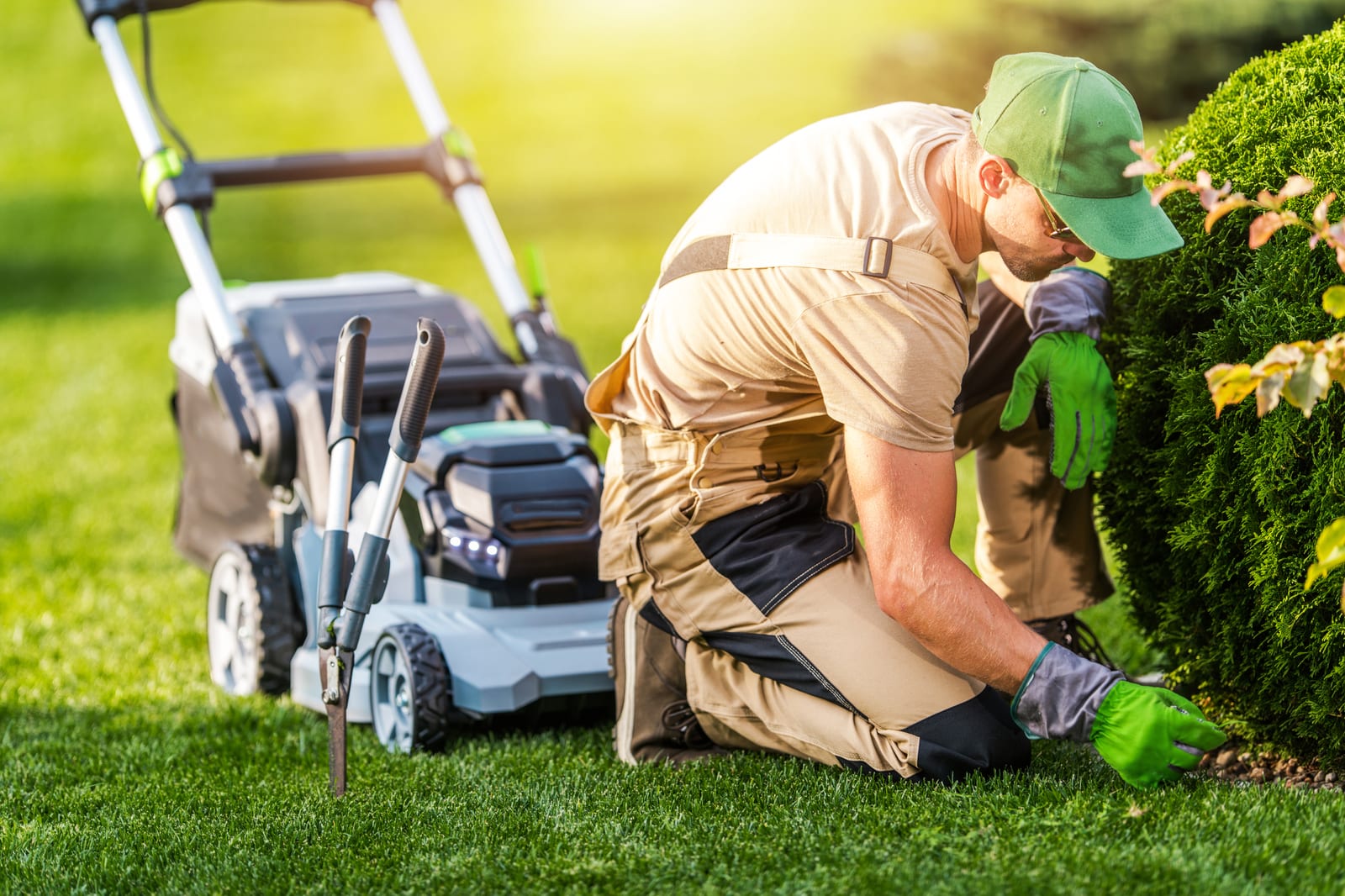
📌 Key Takeaway: Homeowners do not buy eco-friendly lawn care because of buzzwords. They buy it when you make the value concrete: healthier turf, fewer harsh inputs, better water use, clear communication, and a company that looks organized from the first estimate to the monthly statement.
Eco-friendly lawn care sells best when it is framed as a better lawn care method, not a moral lecture. Homeowners want a yard that looks good, a service they can trust, and a provider that can explain why the approach works. If your message stays focused on results, you can turn sustainability into a practical advantage instead of a vague promise.
That starts with how you talk about your service. The goal is not to sound greener than everyone else. The goal is to show that your process is cleaner, more thoughtful, and easier for the customer to understand. When you do that well, you attract homeowners who care about the environment without narrowing your appeal to a tiny niche.
Start with the outcome homeowners actually want
Eco-friendly marketing works when it connects sustainability to visible results. Most homeowners are not shopping for a philosophy. They are shopping for a lawn they can be proud of and a service that fits their values. Your messaging should begin with outcomes like thicker turf, fewer chemical odors, smarter watering, and better long-term lawn health.
That means replacing abstract claims with practical language. Instead of saying your company is “green” and stopping there, explain what that means in the yard. If your approach uses targeted treatments, better timing, or lower-impact product choices, say so. If you reduce waste by routing crews efficiently and avoiding unnecessary return trips, say that too. Homeowners understand efficiency. They understand consistency. They understand a lawn that improves over time.
This also helps you avoid sounding generic. Plenty of companies say they care about the environment. Fewer can explain how their service model protects the lawn and the budget at the same time. That is where your marketing should live. You are not selling a slogan. You are selling a process that is cleaner, more disciplined, and easier to trust.
Housing demand can shape how hard that message lands. The Federal Reserve Economic Data housing starts report dated July 1, 2026 shows 1,239.00 thousand starts seasonally adjusted at an annual rate, down 176.00 from the prior reading. That matters because new homes need outside maintenance decisions quickly, and buyers moving into a fresh property often want a service provider who can explain the plan without sounding vague. If you can tie eco-friendly care to a professional, low-waste process, you look like the organized choice.
The same logic applies to the newer low-input trends homeowners hear about online. A Lawn Love article on chaos gardening from August 24, 2026 shows how some homeowners are leaning toward a wilder, less manicured look because it can reduce routine upkeep and fit a more relaxed approach to yard care. That does not replace professional lawn service, but it does prove the market is paying attention to lower-maintenance ideas. If you can explain how your service delivers a healthier yard without waste, you are speaking to a real demand.
Speak to homeowners who value responsibility, not just trends
A strong eco-friendly message works best when you understand the customer behind it. Some homeowners want to reduce harsh inputs because they have children or pets. Others care about water use, soil health, pollinators, or the long-term condition of the property. Some simply want a company that communicates clearly and shows up on time. Eco-friendly service appeals to all of them when the message is grounded in real benefits.
The mistake many lawn companies make is treating “eco-conscious” as a single personality type. It is not. It is a range of concerns that overlap with everyday homeowner priorities. A customer may not say “I want sustainable lawn care,” but they will respond to better drainage, healthier turf, and a schedule that avoids unnecessary disruption. That is why your marketing should use practical language and customer-facing examples.
Build your messaging around the homeowner’s perspective. Talk about how your methods support a nicer yard without overcomplicating the process. Talk about what you do differently and why it matters. When you explain eco-friendly care in plain English, you make it easier for homeowners to say yes because they can see themselves in the service.
You can also use current behavior shifts to sharpen your message. When homeowners read about alternatives like chaos gardening, they are already thinking about ease, resilience, and lower maintenance. If your company helps them reach those goals without giving up a polished look, you become the obvious professional choice instead of just another service provider with a sustainability claim.
Make your website do the heavy lifting
Your website should do more than list services. It should explain why your approach is different and why that difference matters. A homeowner who lands on your site should quickly understand that you offer lawn care that is thoughtful, modern, and easy to work with. That means writing with clarity, not jargon.
Use service pages to spell out your process. If you offer low-impact treatment options, explain the general method and the benefit. If you focus on lawn health through better scheduling and maintenance timing, say how that supports stronger turf. If you reduce waste by planning routes efficiently, mention that as part of a professional operation rather than a side note. These details build credibility because they show you know how the business works.
Your site should also make it easy to understand how customers pay and stay informed. Clear billing matters because it signals an organized company. A homeowner who sees a simple, predictable payment process is more likely to trust the rest of the service. If you use billing and payments tools that keep the experience smooth, that professionalism becomes part of your brand story.
A good website also gives you room to answer the questions eco-minded homeowners ask before they call. How often do you treat? How do you communicate progress? What do you do when weather changes a route? Clear answers reduce friction and make the service feel dependable. That is the difference between a website that attracts leads and one that just takes up space.
Use content that teaches, not content that brags
Educational content is one of the best ways to market eco-friendly lawn care because it lets you prove competence without overselling. Homeowners who care about the environment usually want to understand what they are buying. If you can teach them something useful, you become the company they remember when they are ready to hire.
Write about topics that matter to real customers. Explain how proper mowing height supports turf health. Talk about the role of soil health in reducing stress on grass. Cover seasonal care decisions that help lawns stay strong without unnecessary intervention. If you offer treatments, explain how timing and application discipline matter more than hype. Educational content builds trust because it shows you know how to protect the lawn, not just how to market it.
This kind of content also gives you better search visibility. Homeowners often start with questions, not brand names. They search for ways to improve their yard, reduce maintenance, or choose a better service provider. If your blog answers those questions clearly, you become part of the decision-making process before the homeowner ever requests a quote.
Keep the tone practical. Avoid sounding like a campaign. A homeowner wants a credible operator, not a lecture. A few clear explanations, a few real examples, and a steady voice will do more than a pile of buzzwords.
Show proof through day-to-day professionalism
Eco-friendly positioning only works if your operation looks organized. Homeowners notice when a company communicates well, arrives on schedule, and follows through. They also notice when the office is slow, the crew is disorganized, or the payment process is confusing. If you want people to believe your sustainability message, the rest of the customer experience has to support it.
That is where internal systems become part of marketing. Dispatching crews efficiently reduces wasted drive time and helps you serve more neighborhoods without chaos. Keeping service notes organized makes it easier to explain what was done and what comes next. Using a mobile field app helps crews stay aligned and gives office staff better visibility into the day’s work. That consistency matters because a clean operation feels more trustworthy.
The mobile app is especially useful when you want to present a modern, responsive brand. A homeowner does not care about your software stack, but they do care that the company can track visits, communicate changes, and document work without confusion. When the back office is strong, the customer experience feels easier. That ease becomes part of your marketing because customers talk about smooth service, not software.
If your crews are punctual, your updates are accurate, and your statements are easy to understand, you are already marketing eco-friendly service in a subtle but powerful way. You are showing that responsible business practices extend beyond the lawn itself.
Lead with transparency, not claims
Homeowners are careful when they hear environmental language. They want to know what is actually being done on their property. That means transparency is not optional. It is one of the main selling points.
Spell out your methods in a way a homeowner can follow. If you use reduced-impact products or focus on lawn health through timing and maintenance, describe the service flow. If your approach depends on fewer unnecessary applications, say that plainly. If you emphasize water-conscious practices or better scheduling, connect those practices to the homeowner’s own yard. Transparency reduces skepticism because it replaces broad claims with specifics.
Transparency also extends to customer communication. People trust companies that explain changes before they become problems. If weather shifts a route or a visit needs to be adjusted, communicate early. If a lawn needs extra attention, document the reason clearly. If a homeowner has a question about service frequency or payment, give them a direct answer. The more clearly you communicate, the more your eco-friendly message feels real.
This is also where documentation matters. Visit notes, service summaries, and customer records help prove that your company is doing what it says it does. Homeowners do not need a technical report. They need confidence. Simple documentation builds that confidence faster than polished marketing language ever will.
Turn the sales process into a trust-building conversation
Eco-friendly lawn care is easier to sell when the sales conversation feels helpful instead of pushy. Homeowners often have concerns before they buy. They may worry that a more thoughtful approach means a weaker lawn, more complicated service, or higher cost. Your job is to address those concerns directly.
Start by asking about their goals. Do they want a healthier-looking lawn? Are they worried about harsh inputs? Do they want a provider that is easier to reach and more reliable? Once you know what matters to them, you can explain how your service fits. A homeowner who wants lower-impact care may care more about the process. A homeowner who wants convenience may care more about scheduling and communication. Both are valid reasons to buy.
Keep the sales message simple. Explain what you do, what the customer can expect, and how results are tracked over time. If your service is recurring, talk about the rhythm of visits and the value of consistent care. If your approach changes by season, explain why that helps the lawn instead of overwhelming it. When the sales process feels calm and informed, the homeowner is more likely to see your company as a long-term partner.
That partnership is especially important in lawn care because repeat service creates recurring revenue. Homeowners benefit from consistency, and you benefit from stable route density. A well-run eco-friendly program strengthens both sides of the relationship.
Use reviews and referrals to reinforce the message
Word of mouth carries a lot of weight in home services, and eco-friendly lawn care is no exception. Homeowners trust other homeowners. When a customer says your service is reliable, thoughtful, and easy to work with, that is often more persuasive than anything on your website.
Ask for reviews that mention specific strengths. A review that says you communicate clearly, keep the lawn healthy, and respect the property is far more useful than a generic five-star rating. Specific language helps future customers picture the experience. It also reinforces the exact qualities you want associated with your brand.
Referrals matter for the same reason. People recommend companies they feel good about. If a homeowner is proud of the way their yard looks and satisfied with how your team handles service, they are more likely to tell neighbors. That is especially valuable in neighborhoods where people notice each other’s lawns. A visible, well-kept property becomes a quiet sales tool.
You can strengthen that effect by making it easy for customers to stay informed and pay without hassle. Simple recurring payments reduce friction and make the relationship feel professional. When the administrative side is easy, customers are more likely to remain loyal and recommend you to others. Over time, that loyalty becomes one of your strongest marketing assets.
Measure what actually works
Marketing eco-friendly lawn care should be treated like any other business system: test it, measure it, and refine it. You do not need to guess which message works best. Track what homeowners respond to and where leads come from. If educational content brings in better calls than broad promotional ads, lean into it. If customers mention transparency more often than sustainability in their reviews, that tells you what they value most.
Look at the full funnel. A homeowner might first discover your company through a blog post, then visit your service page, then read reviews, then request a quote. Each step matters. If one part of the process is weak, you lose the lead. Good tracking helps you find the gaps.
Your internal tools should support that process. A good software setup makes it easier to connect marketing to operations, service, and billing. That matters because the customer experience does not end when the sale is made. It continues through the first visit, the statement cycle, the follow-up, and every recurring service after that. When those pieces work together, your marketing becomes more believable because the operation behind it is solid.
Eco-friendly marketing works best when the whole business backs it up
Homeowners can spot a shallow green pitch quickly. They respond to companies that prove their values through the way they run the business. That means clear communication, dependable service, efficient routing, thoughtful treatment choices, and an easy billing process. It also means using the right tools to keep the whole operation organized.
When you combine that kind of discipline with a straightforward message, eco-friendly lawn care becomes a strong market position. You are not asking homeowners to choose between a good-looking yard and a responsible service. You are showing them they can have both.
That is why the strongest marketing strategy is also the simplest: explain your process clearly, deliver it consistently, and make every part of the customer experience feel organized. The homeowners who care about sustainability will notice. The homeowners who care about reliability will notice too.
Frequently Asked Questions
How should you position eco-friendly lawn care so homeowners actually respond to it? Position it as a better lawn care method, not a moral lecture. Homeowners usually care first about a yard that looks good, a service they can trust, and results they can understand. If you connect sustainability to visible benefits like thicker turf, fewer chemical odors, smarter watering, and better long-term lawn health, the message becomes practical instead of abstract.
What kind of language should you use when describing your eco-friendly service? Use specific, outcome-based language instead of broad claims like “green” or “environmentally friendly.” Explain what your process does in the yard, such as targeted treatments, better timing, lower-impact product choices, or efficient routing that reduces waste. That makes your service sound cleaner, more disciplined, and easier for homeowners to trust.
Why is it important to avoid sounding too focused on sustainability alone? If you lean too hard on sustainability, you can make the service feel niche or ideological. Most homeowners are not buying a philosophy; they want a lawn they can be proud of and a provider that delivers consistent results. Framing eco-friendly practices as a practical advantage keeps your appeal broad while still attracting customers who care about the environment.
How do you talk to different types of homeowners who care about eco-friendly lawn care? Speak to the specific concerns behind their interest, such as children, pets, water use, soil health, or pollinators. That helps you show that your service fits real household priorities instead of just following a trend. A strong message acknowledges those values while still keeping the focus on lawn performance, trust, and long-term health.