📌 Key Takeaway: Green operations work when they change daily habits, not when they sit in a policy binder. Start with waste, energy, purchasing, employee buy-in, and tracking. Then use software and partnerships to make the changes stick.
How to Integrate Green Practices into Daily Operations
Green practices should shape how a business runs every day. That means changing routine decisions about materials, energy use, purchasing, and communication so sustainability becomes part of normal operations instead of a side project. The payoff is practical: less waste, lower overhead, and a clearer message to customers who care about how a company works.
For lawn care companies, this is especially relevant. Crews already make repeat visits, manage equipment, and handle customer communication on a schedule. That structure makes it easier to build better habits into the workflow. When the process is organized, sustainability is easier to maintain. When the process is messy, even good intentions fade fast.
The sections below focus on the parts of daily operations that create the most room for improvement. Each one can be implemented without waiting for a complete overhaul.
Understanding Why Green Practices Matter
Before changing operations, it helps to understand why the effort matters. Sustainability supports the environment, but it also improves business fundamentals. Waste goes down. Energy use becomes easier to control. Customers see a company that pays attention. Employees also tend to take more pride in work when they know the business operates with a clear purpose.
The market signal is real. A Nielsen report found that 66% of global consumers are willing to pay more for sustainable brands. That does not mean every buyer makes decisions only on sustainability, but it does show that green practices can influence purchasing behavior. In service businesses, trust matters. Customers often notice whether a company communicates clearly, keeps its work area clean, and handles resources responsibly.
A real-world example makes the point clear. A lawn care company that replaces paper route sheets, paper statements, and handwritten service notes with a digital system cuts clutter at the office and reduces the chance of lost records in the field. Crews spend less time sorting paperwork and more time serving customers. The business also looks more professional because the process is consistent from the first visit to the monthly statement. That is what sustainability looks like in practice: less waste, better workflow, and stronger presentation.
Reduce Waste First
Waste reduction is one of the easiest places to start because it touches so many parts of the business. Offices, trucks, break rooms, and customer communication all create opportunities to use less and discard less. Small changes add up when they become standard procedure.
A recycling program is a simple first step. Place bins where employees actually use them, not where they are convenient only in theory. Paper, plastic, and metal should be separated clearly. If the workplace generates organic waste, composting is another practical option. It reduces landfill use and turns what would have been discarded into something useful.
Paper reduction deserves special attention. Digital tools help here because they replace routine printing with records that are easier to store, search, and share. In a lawn business, EZ Lawn Biller supports that shift by reducing the need for paper statements and paper records. That matters because statement billing already works best as a running balance. When customer balances, service history, and payments live in one system, the office stays organized and the business avoids piles of paper that slow everyone down.
Waste reduction also has a discipline effect. When the company decides to eliminate unnecessary material use, it usually finds other inefficiencies too. That makes this section a good starting point for broader operational improvement.
Improve Energy Efficiency
Energy use is another area where daily choices have a direct impact. Lighting, equipment, thermostats, and building systems all contribute to overhead. Reducing consumption does not require dramatic changes at the start. It requires consistency.
Switching to energy-efficient lighting is one of the most straightforward changes. Programmable thermostats can prevent wasted heating or cooling when no one is in the building. Energy-efficient appliances and equipment also lower consumption over time. An energy audit can reveal where the biggest losses occur, which is useful because it keeps the company from guessing.
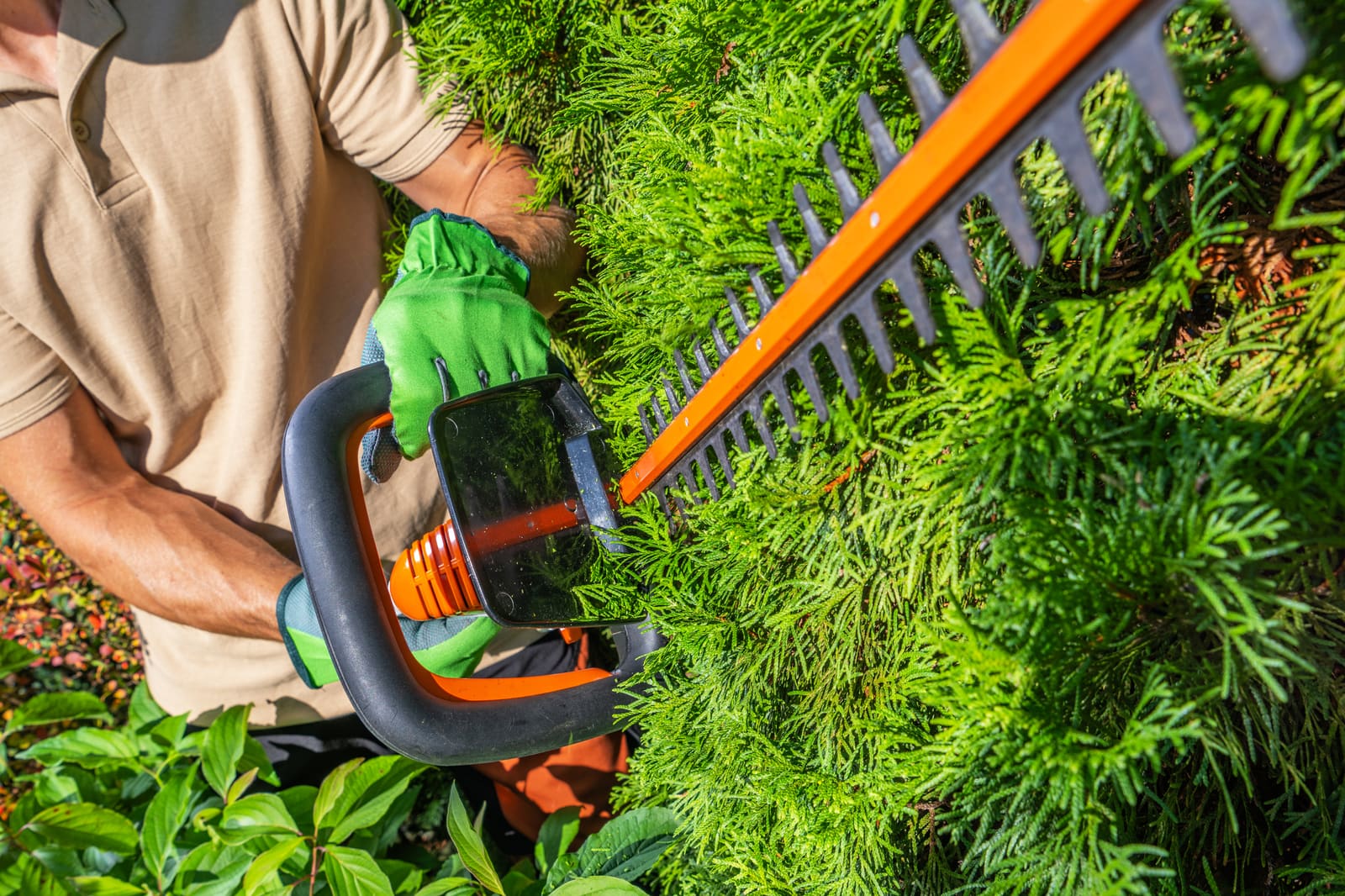
For lawn care operators, equipment choices matter too. Electric or battery-powered tools can reduce emissions compared with gas-powered options. They also help companies present a cleaner, more modern image to customers who are paying attention to sustainability. This is not just about environmental messaging. It is also about operational control. Crews that use equipment efficiently and maintain it properly create fewer interruptions and less avoidable expense.
The business advantage is clear: better energy management improves cost predictability. That matters in a service company where route planning, crew timing, and equipment readiness all affect the day’s output.
Make Purchasing More Sustainable
Sustainable procurement is where a company decides that its vendors and supplies should reflect its values. That means buying with more than price in mind. Product quality still matters, but so do material source, durability, packaging, and ethical production.
When evaluating suppliers, look for vendors that use recycled materials, offer biodegradable products, or show a commitment to fair labor practices. Those signals do not solve every sustainability issue, but they help a company avoid purchases that create unnecessary environmental harm. Over time, those choices shape the business’s footprint.
A procurement checklist makes this process easier to repeat. The checklist can ask whether a supplier meets environmental standards, how long the product lasts, and whether the purchase supports the company’s broader goals. That prevents purchasing decisions from becoming rushed or inconsistent.
This approach also strengthens operations in a quieter way. Better purchasing often means fewer replacements, fewer failed products, and fewer emergency orders. Sustainable procurement is not only a values decision. It is an efficiency decision that supports steadier day-to-day work.
Engage Employees in the Process
Green practices only work when employees use them. That is why sustainability has to be part of training, supervision, and routine communication. If the team does not understand the goal, the system slips back into old habits.
Training should explain both the practical steps and the reason behind them. Employees are more likely to follow a process when they understand how it reduces waste or saves energy. A green team or internal committee can help keep the conversation active. That group can collect ideas, surface problems, and keep sustainability from fading after the first rollout.
Recognition also matters. A team that contributes to waste reduction or better resource use should hear about it. Positive reinforcement makes the effort feel real. It also tells employees that sustainability is not a branding exercise. It is part of how the business operates.
The best programs are simple and visible. When employees can see the result of their habits, they are more likely to keep using them. That is how green practices become part of the culture instead of a checklist nobody remembers.
Measure Progress and Communicate It
A sustainability effort needs measurement or it turns into guesswork. Tracking waste reduction, energy use, and purchasing habits shows whether the business is actually improving. It also reveals where the next opportunity lies.
Regular reviews help leadership spot patterns. Maybe paper use dropped after a new digital workflow, but energy use stayed flat. Maybe purchasing improved, but the company still buys replacement items too often. Without measurement, those issues stay hidden. With it, the business can adjust quickly.
Communication matters just as much as tracking. Employees should know what changed and why. Customers should see that the company is serious about responsible operations. Transparency builds trust because it turns sustainability into something concrete rather than promotional language.
An annual sustainability report can help organize that communication. It can summarize progress, note goals, and show where the business plans to improve next. That keeps the effort visible and gives the company a clear record of its direction.
Use Technology to Support Sustainability
Technology makes green practices easier to maintain because it removes friction. When software handles routine tasks, the business uses less paper, wastes less time, and makes fewer avoidable mistakes. That is especially useful in service companies with repeated scheduling, reporting, and billing work.
For lawn care providers, Lawn Service Software helps organize schedules, services, and billing in one place. That reduces paperwork and keeps customer records easier to manage. It also supports better coordination between the office and field crews. When the team has access to the right information, they are less likely to duplicate work or lose track of service history.
Technology can also support sustainability through remote access and cloud-based systems, which reduce the need for physical documents and unnecessary trips back to the office. Energy management tools can track usage and help businesses make smarter decisions about consumption.
The main point is simple: software turns good intentions into repeatable habits. Without systems, sustainability depends on memory. With systems, it becomes part of the workflow.
Build Partnerships That Extend the Impact
Sustainability improves faster when businesses work with others. Partnerships create shared momentum, and they often open the door to better ideas. A company does not need to solve every problem alone.
Local sustainability initiatives, community organizations, and like-minded businesses can all be useful partners. Joining clean-up efforts or tree planting projects gives a company a visible role in the community. It also shows that sustainability is not limited to internal operations. It can extend outward in ways customers notice.
Partnerships can also improve learning. Other organizations may already have better systems for reducing waste, choosing suppliers, or tracking progress. Sharing knowledge speeds up improvement. That saves time and helps avoid mistakes that others have already worked through.
A business that stays connected to its community often develops a stronger reputation as well. Customers tend to support companies that contribute in practical ways, not just in marketing language. That makes partnerships useful for both impact and brand trust.
Sustainable Operations Are Stronger Operations
Integrating green practices into daily operations is not about chasing a trend. It is about running a cleaner, more efficient business that makes better decisions every day. Waste reduction, energy efficiency, sustainable procurement, employee engagement, and technology all work together. Each one strengthens the others.
For lawn care businesses, the connection is especially clear. Organized routes, consistent statements, efficient equipment use, and digital records all support a leaner operation. That kind of structure makes it easier to stay sustainable without adding confusion. The companies that build these habits now will be better positioned to serve customers, control costs, and grow with confidence.
Frequently Asked Questions
Why should a business build sustainability into daily operations instead of treating it as a separate initiative? Making green practices part of normal operations helps them stick. When sustainability is tied to routine decisions about materials, energy, purchasing, and communication, it becomes easier to maintain and less likely to fade when workloads get busy. It also supports practical business goals like lowering waste, controlling overhead, and presenting a more responsible image to customers.
What operational areas usually offer the most room for green improvements? The biggest opportunities are usually in the parts of the business that repeat every day: materials, energy use, purchasing, and communication. For service businesses, organized workflows make it easier to add sustainable habits without disrupting service. Lawn care operations are a strong fit because crews already work on schedules, manage equipment, and handle customer communication regularly.
How can digital tools support greener day-to-day operations? Digital systems reduce paper use and make records easier to manage. Replacing paper route sheets, paper statements, and handwritten service notes with digital records can cut office clutter and lower the risk of losing information in the field. It also saves time for crews and helps the business appear more professional and consistent.
Do customers really care whether a company uses green practices? Yes, sustainability can influence buying behavior and trust. Customers often notice whether a company communicates clearly, keeps its work area clean, and uses resources responsibly. Green practices can also strengthen your brand message, especially since many consumers are willing to pay more for sustainable brands.