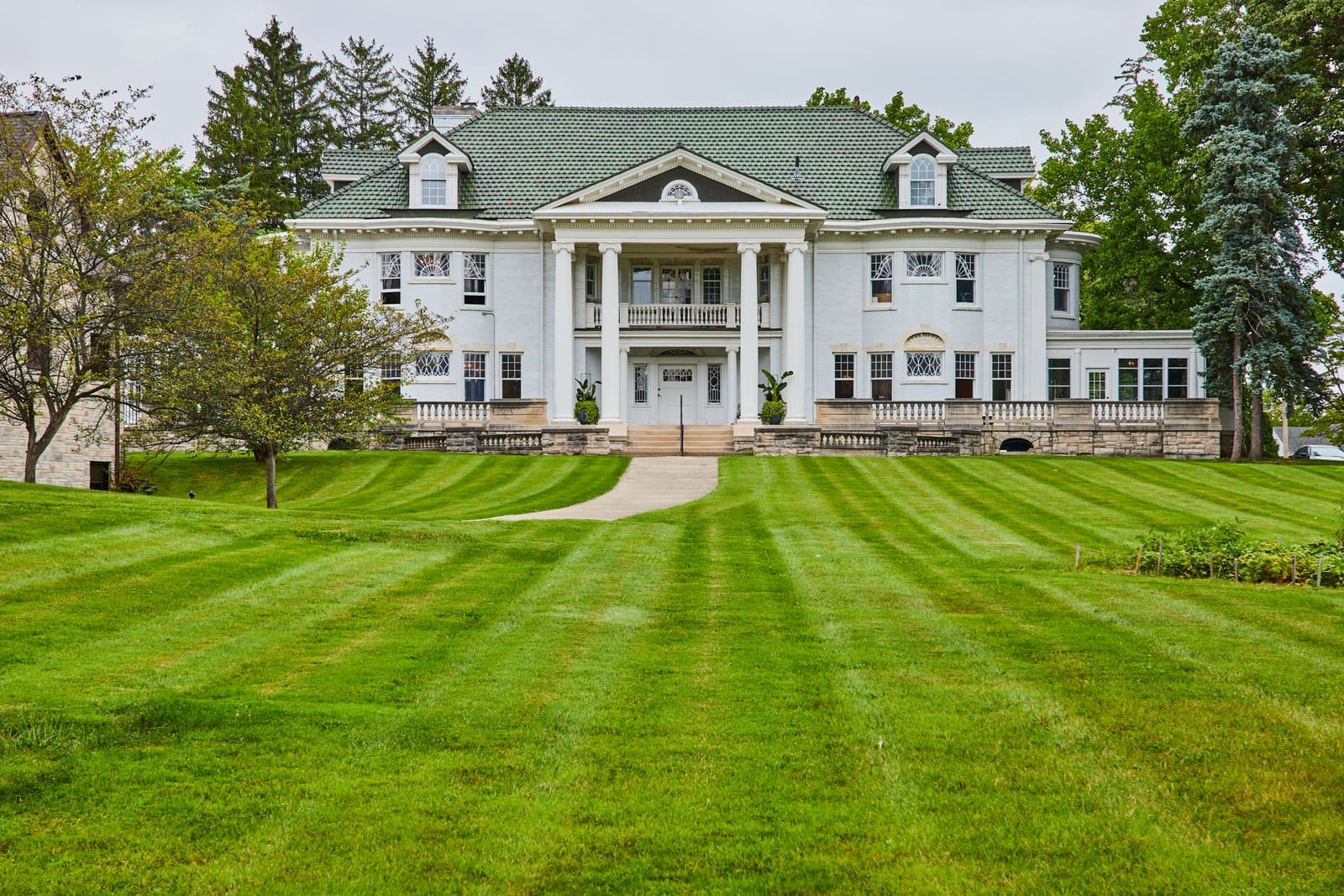
📌 Key Takeaway: Clear company values give a lawn care business a practical standard for hiring, training, customer service, and daily decisions. When the values are specific and reinforced in the field, they shape how crews work and how customers remember your company.
How to Establish Clear Company Values in Lawn Care
Company values are not wall art or a paragraph on your website. They are the rules that guide how your business behaves when no one is watching. In lawn care, that matters because customers notice reliability, crews face constant scheduling pressure, and small operational mistakes show up fast at the curb.
Strong values create consistency. They help a new hire understand what “good work” looks like, and they help owners make faster decisions without second-guessing every situation. They also make your brand easier to trust. When your company behaves the same way every time, customers know what to expect.
The goal is not to write lofty statements. The goal is to define a few standards your team can actually live by, then build them into daily work. That is what turns values from a slogan into an operating advantage.
Why Company Values Matter in Lawn Care
Values shape the way your company shows up in the field. They influence how crews talk to customers, how managers handle problems, and how the business responds when the day does not go as planned. A team that understands the standard works with more consistency because people know what is expected and what gets rewarded.
They also affect customer confidence. Homeowners are not only buying mowing or treatment work. They are buying trust. If your values emphasize communication, follow-through, and clean work, that comes through in the experience. Customers may not remember the wording of your values, but they remember whether your team showed up on time, respected the property, and handled issues directly.
A strong values system also helps you avoid mixed signals. If one crew leaves a mess and another crew corrects it the next day, customers do not see a polished brand. They see inconsistency. Clear values reduce that gap by giving every employee the same standard to follow.
A real-world example makes this easy to see. Imagine two lawn companies finish a treatment route on a hot week. One company has a value around communication, so the office sends a quick statement note to customers explaining that services were completed and what to expect next. The other company stays silent and assumes customers will figure it out later. The first company looks organized and dependable. The second company creates uncertainty, even if the work quality is the same. That difference comes from values turned into action.
Clear values also matter when a company grows through acquisition. The SBA 7(a) loan program continues to support small-business acquisitions across service industries, based on the SBA’s September 1, 2026 update. When an owner buys a route or folds in another crew, the written values become the fastest way to bring people under one standard without losing momentum.
How to Define Values That Fit Your Company
Good values start with reflection, not copying another company’s language. If every lawn business says it values quality, integrity, and service, the words stop meaning much. Your job is to define what those ideas look like in your operation.
Start with your team. Ask employees what they think the company already does well and where the business tends to slip. Their answers usually reveal patterns you can build on. You may hear that the best days happen when routes are tight, communication is clear, and managers solve problems fast. Those are clues to values that actually fit your business.
Then group those answers into themes. Look for repeated ideas such as reliability, respect for property, accountability, teamwork, or customer communication. The point is to find a few core ideas that match how your company wants to operate every day.
Once you have those themes, write them as plain statements. Avoid vague words that sound impressive but do nothing. “Integrity” is too broad on its own. “We tell customers the truth about what was done, what was missed, and what needs attention” gives your team something concrete to follow. The clearer the language, the easier it is to use in hiring, training, and performance reviews.
If you are thinking about buying an existing route or adding another branch, define values before the deal closes. Acquisitions can bring in good trucks, good customers, and good people, but they also bring habits that may not match your standard. Clear values give you a practical filter for deciding what stays and what changes.
How to Put Values Into Daily Operations
Values only matter if employees see them in real work. That means leadership has to repeat them, model them, and connect them to actual decisions. If the company says punctuality matters, then lateness cannot be ignored when it is convenient. If the company says customer respect matters, then that standard has to apply to every call, every visit, and every follow-up.
Communication should start early. New hires need to hear the values during onboarding, not months later after mistakes have already been made. Team meetings are another place to reinforce them. Short reminders are better than long speeches. The more often employees hear the values tied to daily work, the more normal they become.
Recognition matters too. When someone handles a difficult customer with patience or takes extra care around a property, call it out. People repeat what gets noticed. If values only appear in training material, they fade. If they appear in praise, correction, and promotion decisions, they become part of the culture.
Hiring should also reflect the values. Skills matter, but attitude and fit matter just as much. A strong mower who cuts corners or speaks poorly to customers can damage the brand faster than a less experienced employee who takes pride in careful work and clear communication.
Values also need a place in the tools you use every day. When your statements, routing, and customer notes live in one organized system, the team has less room to improvise in ways that hurt the brand. That is one reason operators lean on complete lawn service management software instead of patching the business together with disconnected processes.
How to Measure Whether the Values Are Working
Values are easier to claim than to prove, so you need a way to check whether they are actually influencing the business. Start with employees. Ask whether they understand the values and whether they see them in leadership decisions. If the team cannot explain the values in simple terms, they are not embedded yet.
Customer feedback gives you another signal. Homeowners can tell you whether the company feels organized, responsive, and professional. Those comments often reveal whether your values are visible in the customer experience. A customer who says, “They always let me know what’s happening,” is describing a value in action.
Performance trends also tell a story. If turnover drops, repeat business improves, and complaints become less frequent, your values may be working the way you intended. Those results do not happen by accident. They usually reflect better communication, better standards, and better accountability across the company.
The important part is to review these signals regularly. Values are not a one-time project. They need the same attention you give to routes, equipment, and customer service systems.
Practical Ways to Keep Values Visible
The easiest values to forget are the ones that live only in a handbook. To keep them visible, build them into the places where employees already work and communicate. Put them in onboarding materials, post them in the office, and refer to them when you coach employees through a mistake or praise a job well done.
Training should connect values to real situations. For example, if one of your values is accountability, show employees how that looks when a route runs behind, a property is missed, or a customer asks for clarification. Concrete examples make the values easier to remember because they feel like work, not theory.
Your work environment should reinforce the same message. If your company values professionalism, the office should feel organized, the communication should be clear, and the customer-facing process should be steady. Employees notice when the business matches the standard it asks them to follow.
Technology can support that consistency too. Using lawn billing software helps keep billing organized, while a lawn service app supports better communication in the field. When operations run cleanly, the company has an easier time living up to its own standards. Systems do not replace values, but they make values easier to enforce.
A Simple Example of Values in Action
Consider a lawn company that centers its values on reliability, clear communication, and respect for property. The owner notices that customers care less about big promises and more about whether the crew shows up, leaves the yard tidy, and explains any issues without excuses. So the company changes how it operates.
Crews begin using a standard process for arrival updates, site notes, and follow-up messages. Managers stop treating customer communication as an afterthought. Instead, it becomes part of the job. When a route changes, the office sends a direct update. When a property needs extra attention, the crew documents it and explains it clearly.
That change does more than improve customer experience. It makes training easier, reduces confusion, and gives new employees a model to follow. The value is no longer a slogan. It is visible in the way the business runs.
Community Presence Should Reflect the Same Values
Company values should extend beyond the route. Lawn care businesses often build trust through visibility in the neighborhood, and that trust grows when your community actions match your internal standards. If you say you care about stewardship, professionalism, or service, your outreach should show it.
Community events, educational workshops, and local partnerships all give your company a chance to reinforce those values. A workshop on lawn care best practices, for example, shows that you are willing to help people beyond a transaction. That kind of effort supports a brand that wants to be known for more than price alone.
Community involvement also creates stronger word-of-mouth. People remember the company that contributes to the neighborhood and communicates well while doing it. That reputation feeds back into the business and makes your values easier to believe.
Conclusion
Clear company values give a lawn care business structure, consistency, and a stronger reputation. They help you hire better, train better, communicate better, and serve customers with less confusion. When values are specific and visible, they become part of the operating system of the company.
The best values are the ones your team can explain without hesitation and apply on a normal workday. Review them often, refine them when the business changes, and keep them tied to real actions. That is how values move from a statement on paper to a standard customers can feel.
If you want your operations to support that kind of consistency, EZ Lawn Biller can help you keep billing and customer communication organized while your team stays focused on the work that matters.
Frequently Asked Questions
Why do company values matter so much in lawn care? Company values matter because they guide how your team behaves in the field, especially when no one is watching. In lawn care, customers notice reliability, property care, communication, and how quickly problems get handled. Clear values create consistency across crews, which helps customers trust your business.
What should lawn care company values actually do for daily operations? Your values should give employees a clear standard for how to work, talk to customers, and handle problems. They should help new hires understand what good work looks like and help managers make decisions without constant debate. When values are built into daily work, they become a practical tool instead of just a slogan.
What kinds of values are most useful for a lawn care business? The most useful values are the ones customers can actually experience, such as communication, follow-through, and clean work. Those standards affect whether your team shows up on time, respects the property, and responds directly when something goes wrong. Keep the focus on behaviors your crews can live out every day.
How do clear values improve customer trust in lawn care? Clear values make your company more predictable, and predictability builds trust. When customers see the same level of service from every crew, they know what to expect and feel more confident in your brand. Even if they never repeat your company values back to you, they remember whether your team communicated well, did the work cleanly, and handled issues properly.