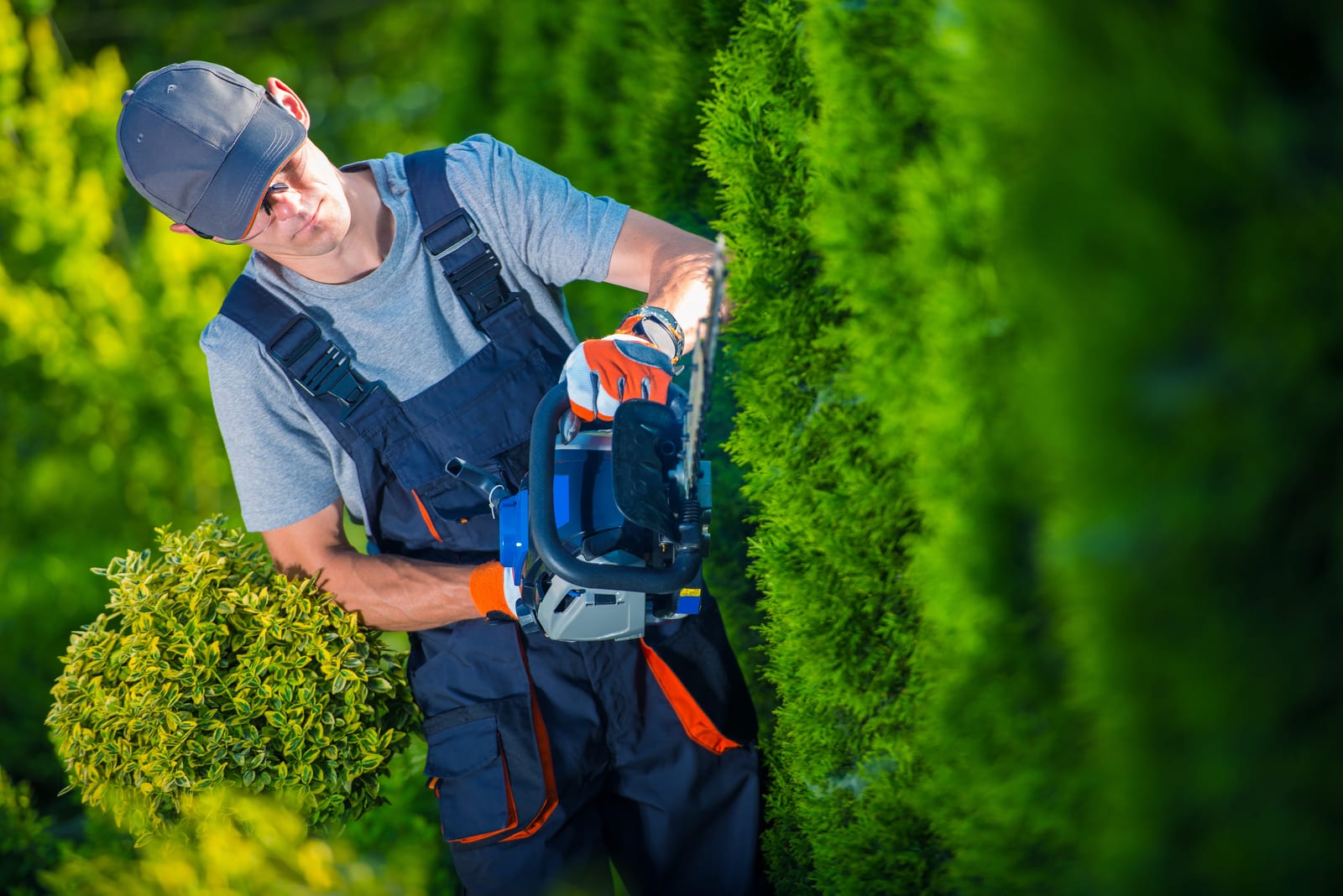
📌 Key Takeaway: A strong lawn care brand is not decoration. It is a clear promise about who you serve, how you work, and why customers should trust you again and again.
Building a Brand That Reflects Your Lawn Care Vision
A lawn care brand should do more than look polished. It should signal the kind of company you run, the customers you want, and the standards you keep in the field. When your name, visuals, message, and service experience all point in the same direction, people understand your business faster and trust it sooner.
That matters because lawn care is built on repetition. Homeowners want a company that shows up, communicates clearly, and handles recurring work without drama. A brand that reflects those expectations helps you stand out for the right reasons. It also gives you a framework for everything else, from your website copy to your customer follow-up.
Start with the customer you want to serve. A residential route in suburban neighborhoods calls for different messaging than commercial accounts or seasonal treatment work. If you want to win homeowners, your brand should emphasize reliability, neatness, and consistent results. If you want to serve larger properties, your brand should communicate scale, organization, and responsiveness. That clarity shapes your service packages, your sales pitch, and even the way you present your business online.
A concrete example makes this easier to see. Imagine two lawn companies in the same town. One uses generic messaging and a mismatched visual style, so customers cannot tell whether it focuses on mowing, treatments, or cleanup. The other presents a clean logo, a straightforward promise, and a consistent service experience from estimate to follow-up. The second company feels easier to hire because its brand removes uncertainty. That is the real advantage of branding: it helps customers understand what they are buying before they ever call.
Tools should support that clarity, not distract from it. If you use a lawn billing software like EZ Lawn Biller, your customer communication can stay organized and consistent with the rest of your business. That matters because branding is not just visual. It also shows up in how you bill, how you track service, and how smoothly you handle customer interactions. The more aligned those systems are, the stronger your brand feels.
A broader business climate can also shape how that brand lands. The US unemployment rate was 4.20% on June 1, 2026, according to FRED. In a labor market like that, a clear brand helps you attract customers and crew members who want a company that looks organized and stable. Housing activity matters too. US housing starts were 1239.00 thousand starts on a seasonally adjusted annual rate on July 1, 2026, according to FRED. New construction and turnover both create opportunities for lawn companies that present themselves as reliable from the first contact.
Define the Value You Want Customers to Remember
Your value proposition is the heart of the brand. It answers a simple question: why should someone choose your company instead of another one down the street? If that answer is vague, your brand will be vague too.
A useful value proposition starts with the problems you solve. Some customers want dependable weekly mowing. Others want help keeping a property neat through the season. Some care most about communication and responsiveness. Your branding should reflect the real benefit you deliver, not just the list of services on your truck.
If your business specializes in organic treatments, make that part of the brand story. If your strength is fast scheduling and dependable route coverage, say so plainly. If you focus on premium property care, your visuals and tone should match that positioning. Customers remember specific promises. Generic claims blend into the background.
This also shapes where your message appears. Your website, social profiles, quotes, and printed materials should repeat the same core idea. That repetition builds recognition. It also keeps your brand from sounding like a different company every time a customer sees it.
Build a Visual Identity That Feels Professional
Visual identity is where many lawn care businesses either gain trust or lose it. Customers notice your logo, colors, typography, truck decals, yard signs, uniforms, and website design long before they know your pricing. If those elements look inconsistent, your company feels less established.
A strong logo should be simple, readable, and tied to your services. It does not need to be complicated to be effective. In fact, the best logos are often the ones customers can recognize at a glance on a truck, a statement, or a social post. A professional designer can help turn your brand idea into something clean and durable.
Color choice matters too. Greens and earth tones often fit lawn care because they connect naturally to the work. Neutral colors can signal professionalism and keep the design from feeling too busy. Whatever palette you choose, use it consistently. When customers see the same colors on your website, statement header, and social content, they begin to associate those visuals with your company.
Imagery should also match your market. High-quality photos of actual lawns, crews, equipment, and finished work feel more credible than generic stock visuals. Customers want to see what your service looks like in real life. That kind of consistency reinforces the message that your company pays attention to detail.
Create a Brand Voice Customers Recognize
Brand voice is the way your company sounds across every interaction. It includes the words you choose, the tone you use, and the level of formality you bring to customer communication. A strong voice makes your business feel consistent even when different people on your team are speaking for it.
Start by deciding how you want customers to feel when they interact with your business. Do you want to sound friendly and approachable? Direct and efficient? Polished and high-end? The answer should fit your target market. Residential customers often respond well to a tone that feels clear and easy to work with. Commercial clients may expect something more structured and formal.
The key is consistency. Your website should sound like your estimate emails. Your social captions should sound like your customer updates. Your crew should understand the same standards so the experience feels unified from first contact to final visit.
This is one place where software helps the brand, not just the back office. A lawn service app that supports your workflow can keep communication organized and reduce gaps between what you promise and what you deliver. When your internal systems support your voice, the customer experiences one company, not several disconnected parts.
Use Marketing to Make the Brand Visible
A brand only matters if people see it. Marketing turns your positioning into public proof, and lawn care gives you plenty of practical ways to do that. The strongest marketing usually shows real work, real customers, and real results.
Social media works especially well for lawn care because the service is visual. Before-and-after photos, project updates, crew photos, and customer testimonials help potential clients picture your work. Educational posts can also support your authority. When you explain seasonal care, service timing, or what customers should expect from a recurring program, you position your company as knowledgeable, not just available.
Local SEO matters for the same reason. If people search for lawn service in their area, your website needs to make sense to both search engines and humans. Clear service pages, local references, and relevant phrases help customers find you. Terms like “lawn service software” or “lawn company app” may also fit into your broader content strategy when you are writing about operations and professionalism.
Community presence strengthens the brand in a different way. Sponsoring local events, supporting neighborhood projects, and building partnerships with other local businesses creates familiarity. People tend to choose companies they recognize, and recognition often begins with simple, repeated visibility.
Let Customer Feedback Shape the Brand Over Time
A good brand does not stay frozen. It improves as your business learns more about what customers value. Feedback is one of the best ways to keep your branding honest and useful.
Ask for reviews, listen to service comments, and notice recurring themes. If customers keep praising responsiveness, that may be a core part of your brand promise. If they keep asking for a specific service style or scheduling preference, your brand should reflect that demand. Feedback shows you what people actually experience, not just what you intended to communicate.
This is also where your service mix may evolve. If customers want more eco-friendly options, you may decide to add treatments that match that interest. If they value communication above all else, you may want to make updates, statements, and visit details easier to access. Brand evolution should follow real customer behavior, not marketing trends.
Social media comments and direct messages can be just as useful as formal surveys. They reveal the questions people ask, the concerns they have, and the language they use. That language can sharpen your own messaging and make your brand sound more natural.
Show Quality in the Work, Not Just the Words
The strongest lawn care brands prove their value through service quality. If your work is inconsistent, no logo or slogan can fix that. Customers judge your brand by the condition of their lawn, the reliability of your schedule, and the professionalism of your communication.
Quality starts with the basics: good equipment, trained crews, and dependable processes. It also includes how you explain the work. Customers appreciate clear expectations, especially when they understand what was done, why it matters, and what comes next. That kind of transparency makes your company feel credible.
Education helps here too. Seasonal tips, maintenance advice, and simple explanations of common lawn issues can reinforce your expertise. You do not need to overload people with technical detail. You just need to show that you know the work and care about helping customers get better results.
When your team consistently delivers solid results, the brand becomes easier to trust. People remember companies that make their properties look better without creating extra work for them.
Use Technology to Make the Brand Feel Modern and Reliable
Technology supports branding when it makes the customer experience smoother. In lawn care, that often means reducing friction in billing, scheduling, reporting, and communication. When those pieces work well, your company feels organized and dependable.
Using lawn service computer programs can help you present a more professional operation. Automated statements, service tracking, and customer records reduce manual errors and make it easier to stay consistent. That consistency matters because customers often judge professionalism by small details: whether information arrives on time, whether service records are clear, and whether updates are easy to follow.
Mobile access adds another layer of polish. If your team can handle work in the field without losing track of customer details, the operation feels tighter. Clients may never see the software itself, but they feel its effect through better service and fewer mistakes.
That is why technology belongs in the brand conversation. It is not just an internal tool. It shapes how dependable your business appears to customers.
Make Your Online Presence Match the Business
Your website is often the first real test of your brand. It should clearly explain what you do, who you serve, and why customers should trust you. If the site is confusing or outdated, it weakens the brand before you ever speak to a prospect.
Keep the site clean, mobile-friendly, and easy to navigate. Show high-quality images of your work. Write service descriptions in plain language. Include customer testimonials where they support your credibility. If visitors need to search hard for basic information, the site is working against the brand instead of supporting it.
Social profiles should match that same standard. Use the same name, colors, tone, and message across platforms. Post regularly enough to stay visible, but keep the content useful. Helpful posts, service updates, and real project photos do more for the brand than filler content ever will.
Strong online consistency tells customers that your business is organized, current, and worth calling.
Building a brand that reflects your lawn care vision takes focus, but the payoff is real. When your message, visuals, service quality, and technology all line up, customers understand your business faster and trust it sooner. That trust makes it easier to win work, keep customers, and build a company that feels solid from the first interaction onward.
Frequently Asked Questions
How should I decide what my lawn care brand needs to communicate? Start by defining the customer you want to serve and the type of work you want to win. Residential homeowners usually respond to reliability, neatness, and consistent results, while larger commercial or property accounts look for scale, organization, and responsiveness. When your brand reflects that focus, it becomes easier for customers to understand why they should hire you.
Why does a consistent brand matter so much in lawn care? A consistent brand helps customers trust you faster because it reduces uncertainty. If your name, visuals, message, and service experience all point in the same direction, people can quickly tell what kind of company you run and what standards you keep. In a business built on recurring service, that clarity can make you feel easier to hire.
What should I do if my company offers different types of lawn services? Your branding should still lead with the type of customer and core service you want to be known for most. If your messaging tries to cover mowing, treatments, and cleanup all at once without a clear focus, customers may not know what you specialize in. A sharper brand helps your service packages, sales pitch, and online presence work together instead of competing for attention.
How can billing and customer communication fit into my brand? Your tools should support the same clarity your brand is trying to create. Organized billing and consistent customer communication help reinforce a professional experience from estimate to follow-up. If you use lawn billing software like EZ Lawn Biller, it can help keep those interactions aligned with the rest of your business instead of feeling disconnected.