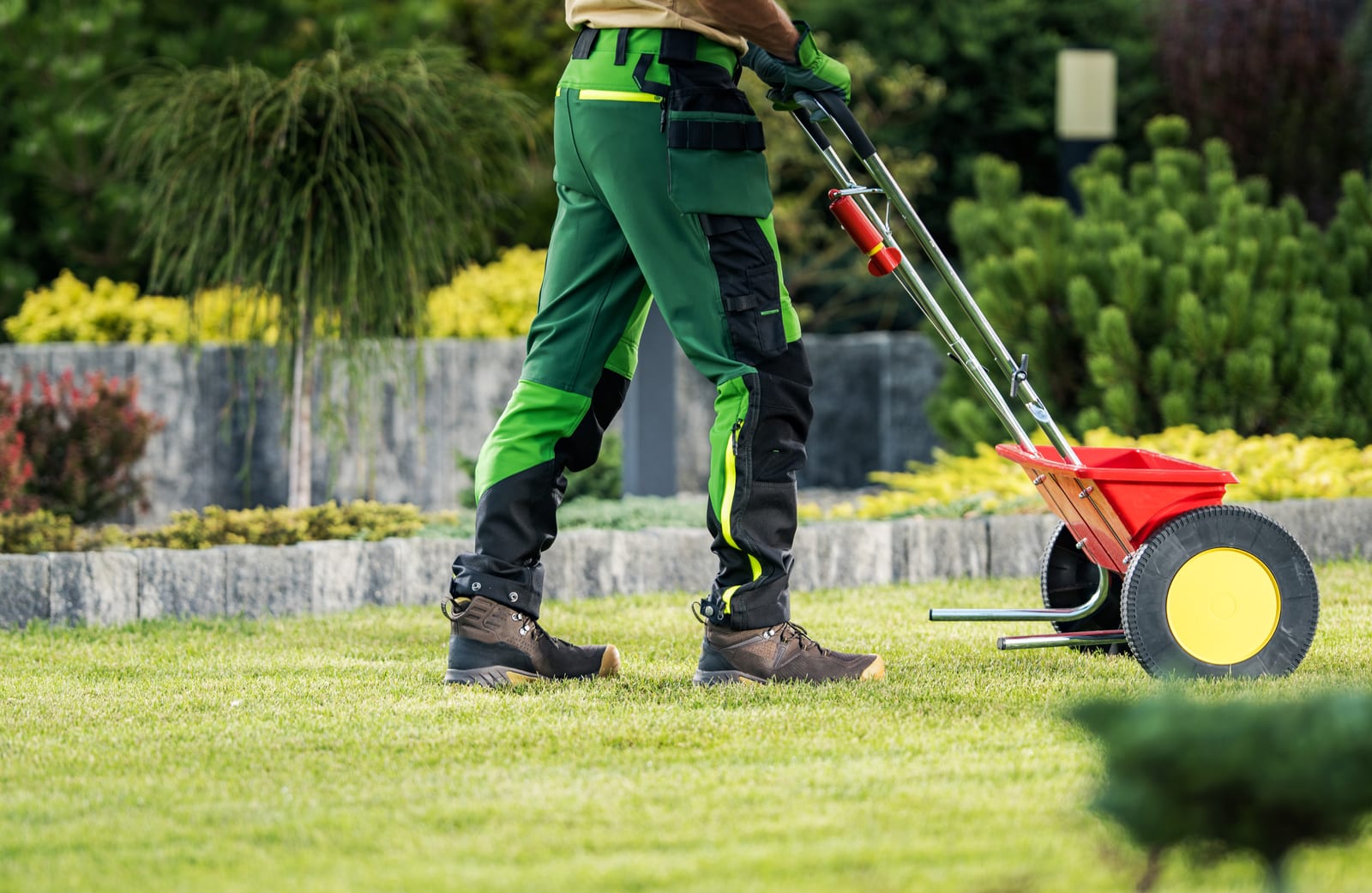
📌 Key Takeaway: The fastest lawn care businesses do the basics well: they automate statement billing, route work logically, standardize service delivery, and keep customers informed. That combination cuts admin time, reduces mistakes, and gives crews more time in the field.
Efficient operations are not a luxury in lawn care. They are what keep a route profitable when the phone is ringing, the schedule is full, and office work starts piling up after the day’s jobs are done. The right systems save time because they remove repeated decisions, reduce back-and-forth with customers, and keep the work moving in a predictable order. That is the real advantage: less friction between the office, the crew, and the homeowner.
This guide focuses on the habits and tools that make the biggest difference. Each one improves a different part of the business, but they work best together. When billing, scheduling, communication, and training support one another, the business runs cleaner and the crew spends more time doing paid work. For owners thinking about growth through acquisition, the Small Business Administration’s 7(a) loan program continues to support small-business purchases across service industries, with the current monthly cycle dated September 1, 2026. That matters because a more efficient operation is easier to finance, easier to transfer, and easier to scale.
Use software to remove repetitive admin work
The easiest time savings usually come from the office, not the field. Manual billing, handwritten notes, and scattered customer records all consume hours that could be spent on route planning or customer follow-up. A dedicated lawn billing software can automate statement creation and payment tracking, which keeps account balances current without constant manual entry.
That matters because lawn service is recurring work. A homeowner may receive mowing, treatments, or other routine services week after week, and a statement-based system tracks the running balance clearly instead of forcing the office to rebuild the same information every visit. Customers can review their statement, pay the balance, or pay a custom amount through the portal. That setup is faster for the business and easier for the customer.
A real-world example makes the value obvious. Suppose a small crew finishes a full day of mowing and treatment stops, then the office still has to enter every visit by hand, chase missing notes, and send payment reminders one by one. That evening can disappear before the owner even looks at next day’s route. With statement billing and service tracking inside one system, the work is already logged, the balance is ready, and payment collection moves without extra steps. The time savings are not theoretical. They show up in the hours you no longer spend cleaning up the day.
Build schedules around route efficiency
Good scheduling saves more than time on the calendar. It saves fuel, reduces wear on equipment, and keeps crews moving without wasted drive time. A scattered route creates hidden costs because every extra turn and return trip breaks the day into pieces. An organized schedule keeps nearby stops together and makes the work feel steady instead of chaotic.
A lawn company app helps crews stay on schedule once the day starts. It also gives the office a clearer view of where jobs stand, which stops are complete, and what still needs attention. When recurring services are set up correctly, repeat customers stay on a predictable cycle and the business gets a more stable revenue pattern. That predictability also helps when a business is trying to buy a route or absorb one. Lenders and sellers both look more closely at operations that already run on a repeatable schedule.
Route planning should also reflect the geography of the route itself. A dense group of stops in one area is easier to service than a long string of jobs spread across town. The fewer gaps between stops, the more time the crew spends working and the less time it spends driving. That is why scheduling and routing should be treated as one process, not two separate ones.
Standardize service delivery
Standardization keeps a lawn business from depending too much on memory. When every service follows the same process, the crew works faster, the office has fewer questions, and customers know what to expect. That consistency matters whether the job is mowing, treatment, seasonal cleanup, or a one-time special request.
Start with a clear menu of services. Then build checklists for each one so the team knows what should happen before, during, and after the visit. A mowing checklist, for example, can cover equipment prep, property notes, mowing details, and any follow-up that should be recorded before the next stop. That structure reduces missed steps and makes quality easier to maintain across the whole route.
Standardization also makes training simpler. New hires can learn the process faster when the business has a defined method instead of a loose collection of habits. The owner gets more leverage, the crew gets more confidence, and the business becomes easier to scale without losing control. It also makes due diligence cleaner if the company is ever reviewed for financing or acquisition, because consistent work is easier to explain and verify.
Keep customers informed without adding office work
Customer communication often becomes a hidden time drain when it is handled manually. Calls, texts, and reminder emails all take time, especially when the same questions come up every week. A lawn service software system can automate reminders, service updates, and payment notifications so customers stay informed without constant staff involvement.
That kind of communication builds trust because it keeps the customer from wondering whether a visit happened, whether a balance is due, or whether a schedule changed. Clear updates also reduce disputes. When the homeowner knows what was done and when it was done, there is less room for confusion.
The best communication is proactive. If weather delays a route or equipment problems change the day’s plan, tell the customer before they have to ask. That simple habit saves time later because it prevents repeat calls and avoids unnecessary frustration. Good communication does not just sound professional. It protects the schedule.
Buy equipment that holds up under real use
Equipment decisions affect time more than many owners expect. Cheap tools that break often or lose performance slow down the whole route. Quality equipment costs more up front, but it often pays for itself by staying reliable, cutting labor time, and reducing repair interruptions.
A professional-grade mower can save real time over a weaker machine because it handles the work more efficiently and needs fewer pauses. The same logic applies to office tools. A robust lawn service computer program keeps the business organized, reduces manual work, and makes it easier to manage the daily flow of customer accounts and service records.
The best purchases are the ones that solve a real bottleneck. If a tool saves time every day, it is probably worth more than a cheaper option that creates problems later. Durable, versatile equipment keeps the route moving and helps the business avoid unnecessary downtime.
Use client records to stay ahead of repeat work
Client management is not only about keeping names and addresses in one place. It is about using customer history to make better decisions and serve people more efficiently. A solid system tracks service history, preferences, balances, and notes in one place, which gives the office and crew a shared view of the account.
That matters most with recurring services. If a homeowner usually wants the same seasonal work each year, that pattern should be easy to spot. Instead of waiting for the customer to call, the business can reach out early and keep the account active. That saves time on both sides because the work is planned before the season gets busy.
It also improves the customer experience. When the business remembers prior service details and preferences, the homeowner feels known rather than treated like a fresh lead every time. That kind of consistency supports retention, and retention is where a lawn company builds stability.
Make marketing repeatable
Marketing can consume a lot of time if every post, email, and promotion starts from scratch. The goal is not to market more by working harder. The goal is to build repeatable systems that keep the business visible without pulling attention away from service delivery.
Automated email campaigns can handle seasonal reminders or special offers with far less effort than manual outreach. Social media can do the same when posts are planned in advance and tied to common customer questions or seasonal needs. That approach keeps the brand active without forcing the owner to create everything on the fly.
Useful content also helps. A short article about mowing schedules, treatment timing, or service preparation can establish credibility and answer questions before they reach the phone. Over time, that reduces repetitive calls and keeps the business top of mind when a homeowner needs service again. Marketing becomes a support system, not a time sink.
Train the team to work the same way
Training is one of the best time-saving investments a lawn business can make. A trained crew moves faster because it knows the process, understands the equipment, and makes fewer mistakes. That reduces rework, which is one of the biggest time drains in any service business.
Training should not stop after onboarding. Regular refreshers help the team stay sharp on technique, safety, and changes in equipment or workflow. They also give the owner a chance to reinforce standards before small problems turn into expensive ones.
This matters most when conditions change. A team that knows how to adjust to weather delays, equipment issues, or route changes can keep the day moving instead of waiting for direction on every decision. Strong training creates flexibility without sacrificing consistency.
Review the business before small problems become big ones
A lawn company can waste a surprising amount of time on habits that no one has questioned in years. Regular process reviews help uncover those bottlenecks. Maybe the schedule is full but badly sequenced. Maybe the office is retyping the same customer data. Maybe the crew is waiting on information that should already be in the system.
The best way to find those issues is to look at the workflow honestly. Ask the team where time gets lost, then compare that feedback with what the records show. A lawn company computer program can help reveal patterns in service timing, customer activity, and account management that are hard to see on paper.
That review process should lead to change. If a better method exists, test it. If a tool removes a recurring bottleneck, use it. The businesses that keep improving are the ones that stay efficient while others stay busy without getting faster.
Keep the operation simple enough to repeat
The common thread across all these best practices is repetition. Time gets saved when the business stops rebuilding the same process every day. Software handles the routine work. Scheduling keeps the route organized. Standard service steps reduce confusion. Clear communication prevents callbacks. Reliable equipment and steady training protect the schedule.
That kind of structure does more than save minutes. It makes the business easier to trust, easier to manage, and easier to grow. A lawn care company that runs on repeatable systems is better prepared for busy seasons, customer growth, and the everyday pressure of service work. The operators who build that discipline are the ones who keep more of their time and turn it into profit.
Frequently Asked Questions
How does lawn billing software save time for a lawn care business? It automates statement creation and payment tracking, so you do not have to rebuild account balances by hand after every visit. That reduces manual entry, cuts down on missed notes, and makes payment follow-up much faster. It also helps you keep recurring service accounts current without repeating the same administrative work week after week.
Why is a statement-based billing system better for recurring lawn care jobs? Recurring mowing and treatment work creates the same customer records over and over if you manage billing manually. A statement-based system keeps a running balance in one place, which makes it easier for you to track ongoing service and for customers to see what they owe. That clarity reduces back-and-forth and makes collections more efficient.
What can customers do through the billing portal? Customers can review their statement, pay the balance, or pay a custom amount. That gives them a simple way to handle payments without extra calls or emails. It also speeds up your cash flow because customers can take care of billing as soon as they are ready.
Where do the biggest time savings usually come from in a lawn care operation? The biggest savings usually come from the office, not the field. Manual billing, handwritten notes, and scattered customer records eat up time that could be used for route planning or customer follow-up. When billing, service tracking, and payment collection are handled in one system, your team spends less time on admin and more time on paid work.